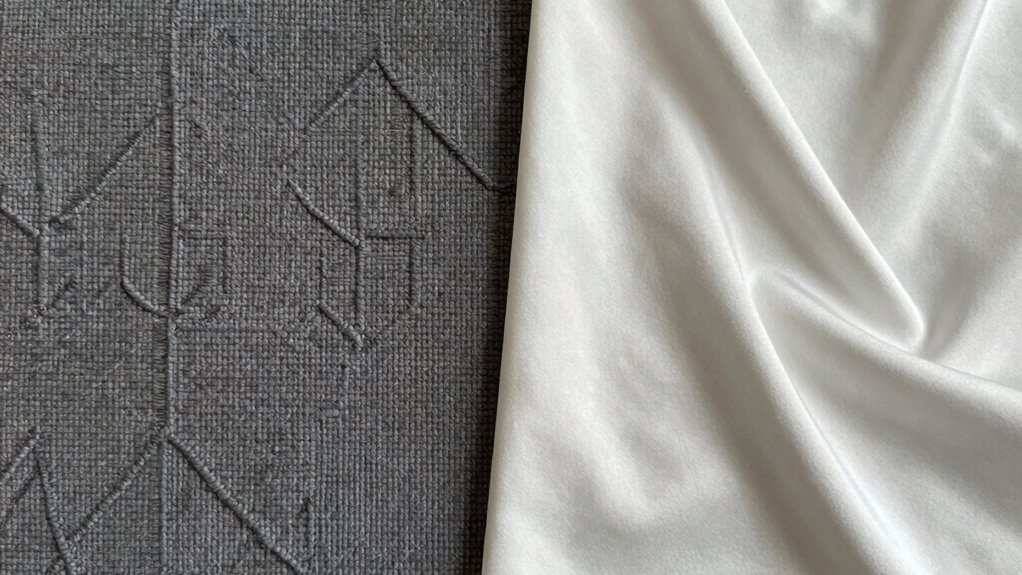

Upholstery fabric is made to withstand daily wear and tear, so it’s thicker, tougher, and often textured to hide stains. It usually contains synthetic fibers like polyester for resilience and features tight weaves or coatings to resist spills. In contrast, apparel fabric emphasizes softness, breathability, and freedom of movement, using natural fibers or lighter blends. If you want to understand how these differences impact durability and comfort, keep exploring the details behind each type.
Key Takeaways
- Upholstery fabrics are designed for durability, resisting wear, stains, and tearing, while apparel fabrics prioritize softness and comfort.
- Upholstery fabrics often have textured, tighter weaves or coatings for durability and stain concealment; apparel fabrics are lighter and softer.
- Synthetic fibers like polyester are common in upholstery for resilience, whereas natural or blended fibers are preferred in apparel for breathability.
- Upholstery fabrics undergo rigorous testing for long-term strength and appearance; apparel fabrics focus on flexibility and ease of movement.
- Maintenance routines differ, with upholstery needing more intensive cleaning, while apparel fabrics are generally easier to care for and launder.
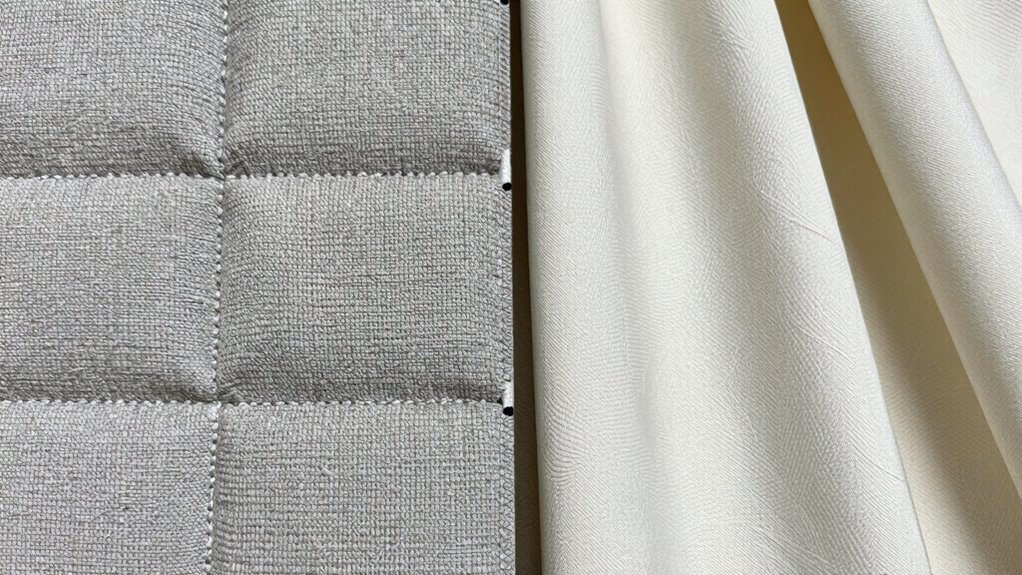
Have you ever wondered why some fabrics work perfectly for furniture, while others are ideal for clothing? The key difference lies in how each fabric is designed to withstand specific conditions. When it comes to upholstery versus apparel fabric, their primary focus is on durability testing. Upholstery fabrics are built to endure years of use, resisting wear and tear, spills, and stains. They undergo rigorous durability testing to guarantee they maintain their appearance and strength over time. This process involves simulated use, like rubbing, stretching, and exposure to various elements, so the fabric can withstand the demands of daily life. Conversely, apparel fabrics prioritize comfort, flexibility, and softness, which means they aren’t subjected to the same intense durability tests. Instead, they’re tested for factors like breathability and ease of movement.
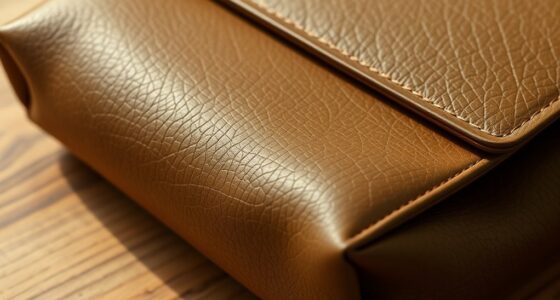
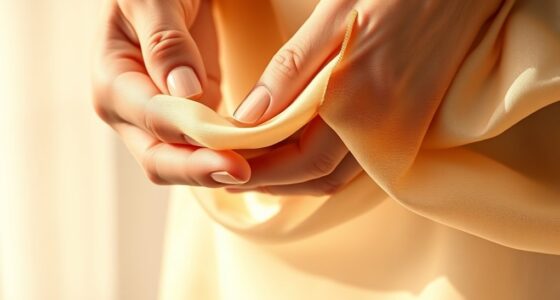
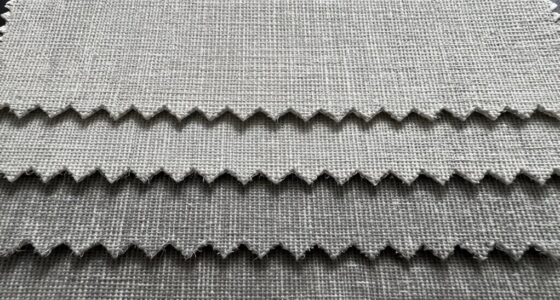
Another major distinction is fabric texture. Upholstery fabrics tend to have a tighter weave or a more textured surface to enhance durability and hide imperfections. The texture might feel rougher or heavier but offers a sturdy feel that’s ideal for furniture. Textured fabrics, such as chenille or tweed, are popular because they conceal stains and signs of wear better than smooth fabrics. In addition, the durability testing procedures for upholstery fabrics are more rigorous to simulate years of use. These tests often include abrasion resistance and colorfastness to ensure the fabric holds up over many years. In contrast, apparel fabrics usually have a softer, more delicate texture that feels good against your skin. The focus on fabric texture in clothing is about comfort and aesthetic appeal, so lightweight, breathable, and smooth fabrics like cotton, silk, or jersey are common choices. You wouldn’t want a fabric that’s coarse or stiff for clothing, but those qualities are beneficial in upholstery, where durability and hiding imperfections are more important. Additionally, understanding the fabric construction helps in selecting the right material for each purpose, ensuring longevity or comfort as needed. Recognizing these differences can also guide decisions related to maintenance and cleaning routines, which vary significantly between upholstery and apparel fabrics.
You also need to contemplate the fiber content and construction. Upholstery fabrics often incorporate synthetic fibers like polyester or nylon, which enhance resilience against stretching and fading. They’re designed with a tighter weave or additional coatings to prevent liquids from soaking through quickly. The fiber content also contributes to the fabric’s ability to withstand various cleaning methods used on furniture. Apparel fabrics, on the other hand, prioritize natural fibers or blends that offer better breathability and softness, even if they’re more prone to wear. The weave in apparel fabrics tends to be looser, allowing air to circulate, making them more comfortable for wearing. Additionally, the focus on durability testing in upholstery fabrics ensures they can handle the rigors of daily life, unlike apparel fabrics that mainly focus on comfort. Understanding these distinctions can help you select the appropriate fabric for your needs, whether for long-lasting furniture or comfortable clothing.
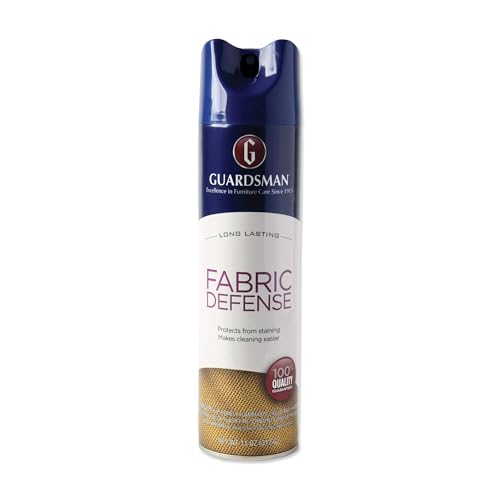
Guardsman Fabric Defense & Upholstery Water Repellent Spray, Protector & Stain Prevention for Microfiber, Rugs, Carpeting, Fabric Furniture, Apparel, and Shoes, Unscented, 11 oz
Provides ultimate stain; dirt; and waterproofing defense for any fabric upholstery; including leather; suede; and nubuck; great for…
As an affiliate, we earn on qualifying purchases.
As an affiliate, we earn on qualifying purchases.
Frequently Asked Questions
How Does Fabric Durability Differ Between Upholstery and Apparel?
Upholstery fabric generally has higher fabric tensile strength than apparel fabric because it needs to withstand constant use and friction. Its dye fastness is also more critical, ensuring colors don’t fade easily with cleaning or sunlight exposure. You’ll notice that upholstery fabric is designed for durability, so it’s thicker and more resistant to wear, while apparel fabric prioritizes softness and flexibility for comfort.
Are There Specific Cleaning Requirements for Upholstery Fabric?
Did you know that over 80% of upholstery fabrics have specific cleaning codes? You should follow these codes carefully, as they indicate the best cleaning methods. Upholstery fabric often features stain resistance, but it’s still essential to clean spills promptly. Use gentle cleaners suited for your fabric type, avoid harsh chemicals, and always test in an inconspicuous area. Proper maintenance guarantees your furniture stays beautiful and lasts longer.
Can Upholstery Fabrics Be Used for Clothing?
Upholstery fabrics aren’t ideal for clothing because their fabric textures and durability are designed for furniture, not fashion trends. They tend to be heavier, less breathable, and more rigid, which can make clothing uncomfortable. While some creative designers might use upholstery fabrics for unique fashion pieces, generally, fabrics made specifically for apparel offer better comfort, flexibility, and style suited for everyday wear.
How Does Breathability Vary Between Upholstery and Apparel Fabrics?
Breathability varies wildly between upholstery and apparel fabrics, and it can feel like night and day. Apparel fabrics are engineered for moisture management and thermal regulation, keeping you comfortable all day. Upholstery fabrics, however, prioritize durability over breathability, often trapping heat and moisture. So, when choosing fabric, remember: apparel fabrics let you breathe freely, while upholstery fabrics are built to last, not to keep you cool.
What Are the Environmental Impacts of Upholstery Versus Apparel Fabrics?
You should know that upholstery fabrics often have a bigger environmental impact due to their use of heavy-duty, less eco-friendly materials, but choosing eco-friendly materials can reduce this. Upholstery fabrics generally have lower recycling potential because of complex blends and treatments. In contrast, apparel fabrics are more often made from sustainable fibers and are easier to recycle. Your choices in fabric materials directly influence their environmental footprint.
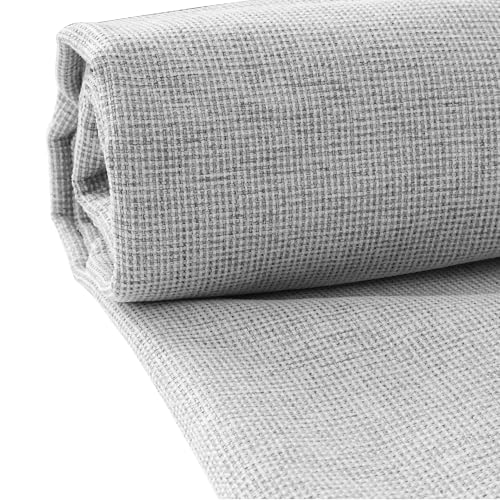
Suitable for Home Furniture Interior Decoration Fabric, coarse Texture Thickened Linen, Excellent Breathability, Handmade DIY Material (Light Gray, 1 Yard pre Cut)
The imitation cotton and linen fabric has a simple solid color style, neat and textured lines, is soft…
As an affiliate, we earn on qualifying purchases.
As an affiliate, we earn on qualifying purchases.
Conclusion
So, now that you know the key differences, imagine gently running your hand over a plush sofa—its fabric resilient yet inviting, designed to withstand years of use. Meanwhile, your favorite shirt feels soft and delicate, crafted for comfort and style. But what if you could combine these worlds? The possibilities are endless, and the choice is yours. Will you prioritize durability or softness? The fabric of your dreams is just a decision away—ready to transform your space or wardrobe.

Textured Chenille Jacquard Upholstery Heavy Duty Polyester 58" Fabric by The Yard (Olive, 1 Yard)
93% Polyester, 7% Nylon
As an affiliate, we earn on qualifying purchases.
As an affiliate, we earn on qualifying purchases.

Scotchgard Fabric Water Shield, 13.5 Ounces, Repels Water, Ideal for Couches, Pillows, Furniture, Shoes and More, Long Lasting Protection
Strong fabric protection repels water based spills for easier cleanup
As an affiliate, we earn on qualifying purchases.
As an affiliate, we earn on qualifying purchases.