
Batik holds deep cultural significance in Indonesian textiles, representing centuries of tradition and community identity. As you explore its intricate patterns and vibrant colors, you’ll see how each design reflects local stories, beliefs, and social statuses. The craftsmanship involves skilled wax-resist dyeing with natural dyes, preserving historical techniques. Recognized worldwide, batik symbolizes Indonesia’s artistic heritage and cultural pride. Discovering its rich history reveals how this textile art continues to connect generations and showcase Indonesia’s unique cultural landscape.
Key Takeaways
- Batik is a centuries-old textile art that reflects Indonesia’s rich cultural heritage and traditional craftsmanship.
- Each motif in batik carries symbolic meanings linked to local stories, beliefs, and social identity.
- The dyeing process using natural dyes and wax-resist techniques preserves historical practices and cultural authenticity.
- UNESCO recognition highlights batik’s global cultural importance and promotes its preservation and appreciation.
- Batik serves as a visual language expressing Indonesia’s cultural values, spiritual beliefs, and community identity.
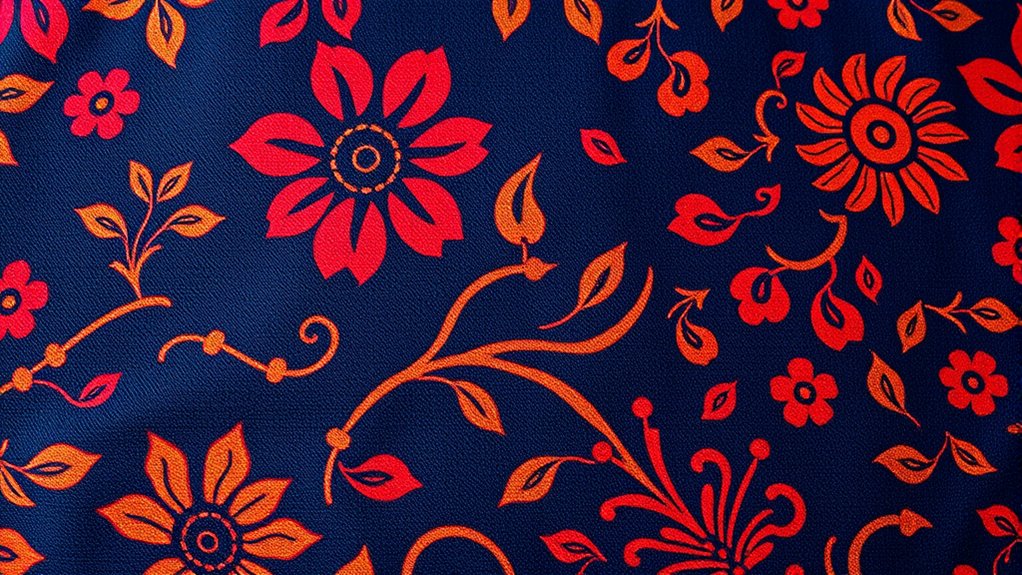
Batik, a centuries-old textile art, embodies Indonesia’s rich cultural heritage and artistic ingenuity. When you explore this craft, you’ll discover how traditional dyeing techniques shape every piece. These methods involve applying wax resist to fabric before dyeing, creating intricate patterns that are both meaningful and beautiful. Each design is carefully crafted, often passed down through generations, reflecting local stories, beliefs, and social status. The use of traditional dyeing techniques isn’t just about aesthetics; it preserves historical practices that connect you to Indonesia’s cultural roots. You’ll see how artisans skillfully use natural dyes derived from plants, roots, and minerals, which give batik its distinctive colors. These dyes, combined with the wax-resist process, result in complex motifs that symbolize everything from nature to spirituality. The process demands patience and precision, making each batik piece a testament to craftsmanship and tradition. Additionally, the cultural significance of batik is recognized internationally, leading to UNESCO designations that celebrate its importance.
Frequently Asked Questions
How Has Batik Influenced Modern Indonesian Fashion Trends?
Batik fashion has markedly influenced modern trends by inspiring designers to blend traditional patterns with contemporary styles. You’ll notice batik motifs in everyday wear, from casual shirts to high-end couture, reflecting Indonesia’s rich heritage. This fusion creates a unique aesthetic that celebrates cultural identity while appealing to global tastes. As a result, batik remains a vibrant, evolving element in Indonesia’s fashion scene, bridging tradition and innovation seamlessly.
What Are the Regional Variations in Traditional Batik Patterns?
You’ll notice how regional motifs and textile symbolism create diverse batik patterns across Indonesia. For example, Solo batik features intricate floral designs, symbolizing elegance, while Pekalongan batik emphasizes vibrant marine themes, reflecting coastal life. These variations showcase local stories and beliefs, making each pattern unique. By understanding these regional differences, you appreciate how batik embodies Indonesia’s rich cultural tapestry, connecting artistry to specific communities and their traditions.
How Is Batik Preservation Supported by Indonesian Cultural Policies?
You can see that Indonesian cultural policies actively support batik preservation through policy initiatives that protect and promote this cultural heritage. These initiatives include government funding, educational programs, and regulations that encourage local artisans. By doing so, they guarantee batik remains a crucial part of Indonesia’s identity, fostering pride and continuity. Your appreciation grows as you witness how these policies strengthen the cultural fabric and sustain traditional craftsmanship.
What Role Do Artisans Play in Maintaining Batik Techniques?
You play a crucial role in maintaining batik techniques through your artisan craftsmanship. By practicing and passing down traditional methods, you guarantee the preservation of intricate patterns and dyeing processes. Your dedication keeps centuries-old techniques alive, allowing future generations to appreciate the cultural heritage. Through your work, you contribute to the ongoing legacy of batik, blending tradition with creativity and safeguarding this treasured Indonesian craft for years to come.
How Is Batik Incorporated Into Contemporary Art and Design?
You’re riding the wave of modern creativity by incorporating batik into contemporary art and design. Artists blend traditional techniques with digital abstraction and mixed media, giving new life to ancient patterns. This fusion allows batik to transcend cultural boundaries, making it a versatile element in fashion, interior design, and digital art. It’s a way to keep tradition alive while pushing artistic boundaries, proving that old dogs can learn new tricks.
Conclusion
As you explore Indonesian textiles, you’ll see that batik isn’t just a fabric; it’s a living art form rooted in tradition. Its intricate patterns and vibrant colors tell stories passed down through generations, much like the timeless tapestries of the Middle Ages. By embracing batik today, you connect with a culture that values craftsmanship and history. So, wear your batik proudly—it’s a masterpiece that bridges past and present, proving timeless beauty never goes out of style.