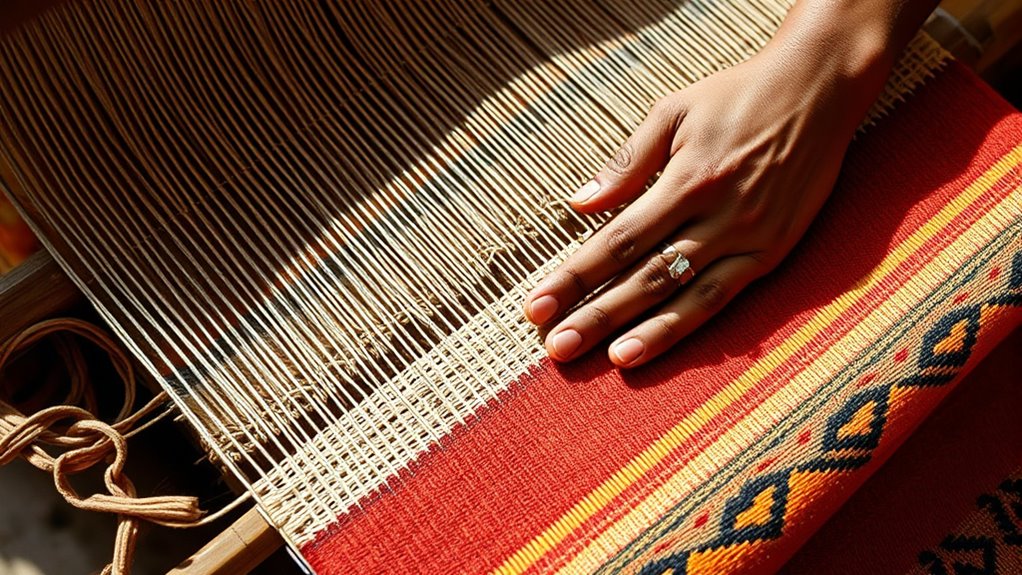

Begin a journey through global textile heritage by exploring traditional weaving techniques that showcase vibrant colors and craftsmanship passed down through generations. These methods, rooted in history and culture, use natural fibers and dyes, emphasizing sustainability and community stories. From intricate handloom processes to eco-friendly dyeing practices, each technique reflects a unique cultural identity. Stay with us to discover how these timeless practices continue to shape and inspire the world of textiles today.
Get ready for Prime Big Deal Days — try Prime free
Exclusive member deals on October 6–7, plus fast free delivery. Cancel anytime.
As an affiliate, we earn on qualifying purchases.
Key Takeaways
- Traditional weaving techniques are deeply rooted in cultural identity, passed down through generations, and characterized by vibrant colors and craftsmanship.
- The Handloom Revival Movement promotes awareness, preservation, and community empowerment by supporting artisans and education in traditional weaving.
- Natural fibers like cotton, silk, and wool are used with traditional methods, ensuring authenticity, sustainability, and preservation of artisanal skills.
- Indigenous dyeing methods utilize natural dyes from plants, minerals, and insects, reflecting local symbolism and spiritual practices.
- Sustainable dyeing practices emphasize eco-friendliness, respecting the environment and fostering harmony between nature and textile craftsmanship.
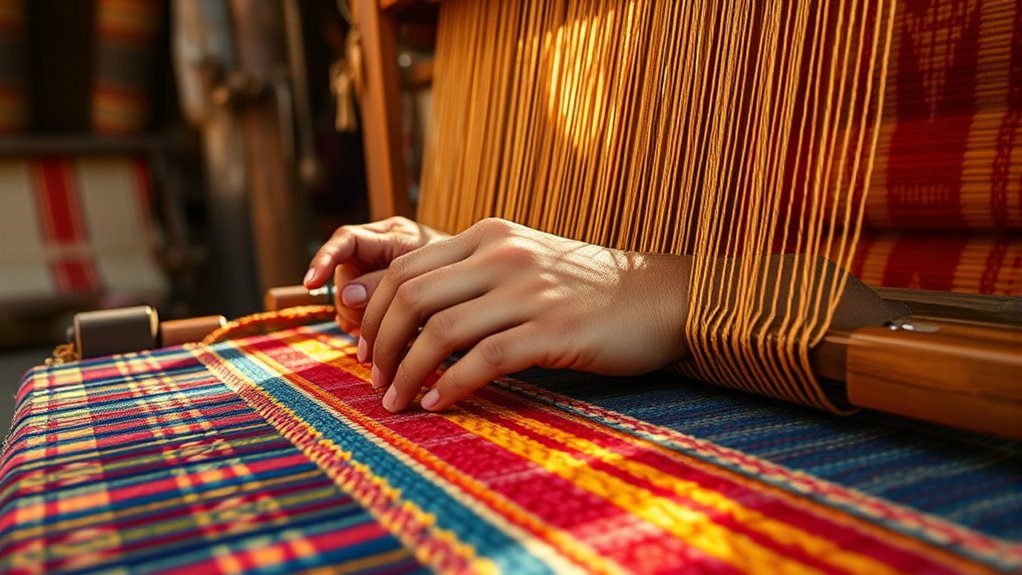
Have you ever wondered how ancient communities created their intricate textiles? The answer lies in their mastery of traditional weaving techniques, which have been passed down through generations. Today, there’s a growing movement known as the handloom revival, aimed at preserving these age-old practices. As you explore this movement, you’ll notice how much value is placed on maintaining authentic dyeing traditions, which give textiles their vibrant colors and unique character. These techniques aren’t just about aesthetics; they’re about cultural identity and sustainable craftsmanship. By engaging with handloom weaving, you reconnect with a craft that’s rooted in history, offering a tangible link to the communities that perfected it centuries ago.
The handloom revival seeks to bring traditional weaving back into mainstream consciousness, countering the mass-produced, machine-made textiles that dominate the market. When you participate in or support handloom weaving, you’re helping sustain artisans who rely on these crafts for their livelihood. It’s about more than just preserving a skill; it’s about empowering communities and keeping their stories alive. The revival also involves educating new generations about the importance of these techniques, ensuring they’re not lost to modernization. As you explore this world, you’ll see how artisans carefully select raw materials, often natural fibers like cotton, silk, or wool, and use traditional methods to transform them into textiles.
Dyeing traditions play a vital role in defining the character of these textiles. They involve complex processes where natural dyes derived from plants, minerals, and insects are carefully prepared and applied. You’ll find that these dyeing methods are deeply intertwined with local culture, often imbued with symbolism and spiritual significance. When artisans dye fabrics, they follow specific rituals and techniques passed down through generations, which contribute to the richness and depth of the colors. This meticulous approach results in textiles that are not only beautiful but also environmentally friendly, as they avoid synthetic chemicals. Engaging with these dyeing traditions allows you to appreciate the harmony between nature and craftsmanship, fostering a deeper respect for sustainable practices. Additionally, understanding the importance of proper shifting gears in related fields can help illustrate the value of precision and technique in craftsmanship.
Frequently Asked Questions
How Have Modern Technologies Influenced Traditional Weaving Practices?
Modern technologies have considerably influenced traditional weaving practices through digital integration, enhancing design precision and expanding creative possibilities. You can now access global markets more easily and showcase your work online. Additionally, these advancements empower artisans by providing new skills and tools, allowing you to preserve cultural techniques while adapting to contemporary demands. This fusion of tradition and innovation helps sustain your craft and opens opportunities for growth and recognition worldwide.
Are There Efforts to Preserve Endangered Weaving Techniques Globally?
Yes, you’ll find efforts to preserve endangered weaving techniques worldwide. Cultural preservation projects actively document and revive these art forms, ensuring they don’t fade away. Artisan collaborations play a key role, connecting skilled weavers with younger generations and global audiences. These initiatives help maintain traditional craftsmanship, foster economic sustainability, and celebrate cultural diversity, so you can enjoy and cherish these unique weaving traditions for generations to come.
What Are the Symbolic Meanings Behind Certain Traditional Textile Patterns?
You’ll find that traditional textile patterns often carry deep cultural symbolism and specific pattern meanings. For example, geometric shapes might symbolize protection, fertility, or community ties. Colors and motifs are carefully chosen to reflect beliefs, history, or social status. By understanding these symbolic meanings, you gain insight into the cultural stories woven into each textile, making these patterns much more than decorative—they’re powerful expressions of identity and tradition.
How Do Climate Change and Environmental Factors Affect Textile Heritage?
Like Pandora’s box, climate impacts and environmental challenges threaten your textile heritage, risking loss of traditional techniques and materials. Rising temperatures, unpredictable weather, and pollution degrade fibers and dyes, making preservation harder. These environmental factors force communities to adapt or abandon age-old practices, endangering cultural identity. You must act swiftly, embracing sustainable methods to safeguard this heritage for future generations, ensuring that traditional weaving continues to tell its story amidst changing climates.
Can Traditional Weaving Techniques Be Adapted for Contemporary Fashion Markets?
Yes, you can adapt traditional weaving techniques for contemporary fashion markets by embracing sustainable innovation and cultural adaptation. By integrating eco-friendly materials and modern designs, you preserve cultural heritage while appealing to today’s consumers. Experiment with blending traditional patterns with current trends, ensuring craftsmanship remains authentic. This approach not only sustains the craft but also creates unique, culturally rich fashion pieces that resonate in modern markets, making heritage relevant and desirable.
Conclusion
As you explore this rich tapestry of traditional weaving, remember that these techniques aren’t just art—they’re living stories passed down through generations. Some believe that certain patterns hold protective powers or spiritual significance, making each piece more than just fabric. By embracing these methods, you connect with a history that’s both functional and deeply meaningful. So, next time you see a woven textile, think about the centuries of culture and stories woven into every thread.
Fall Picks
fall essentials
As an affiliate, we earn on qualifying purchases.