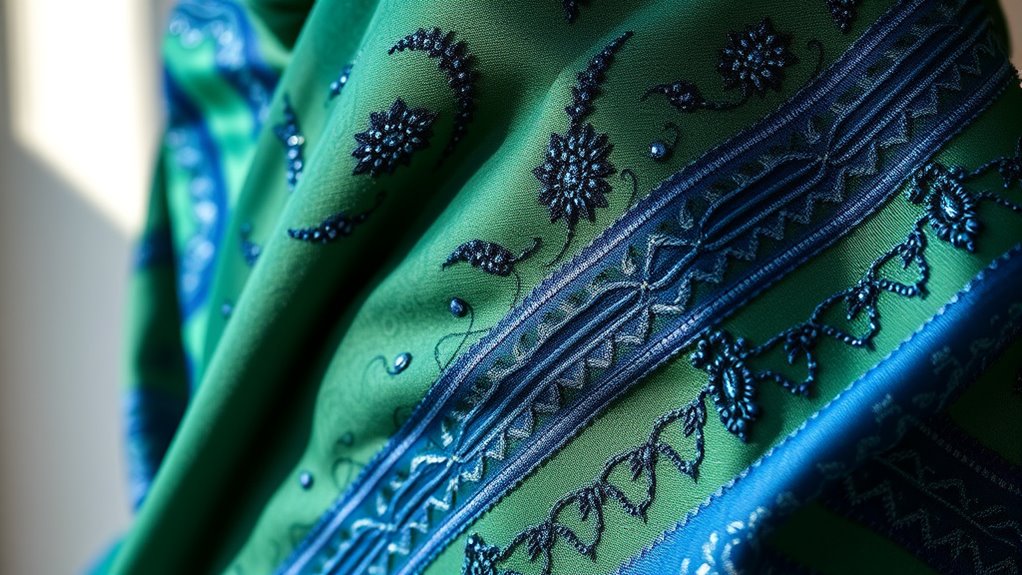

From craft to couture, you see high fashion embracing artisanal and heritage fabrics that tell meaningful stories. Designers focus on authentic, handcrafted textiles sourced sustainably through collaborations with local artisans, preserving cultural techniques and promoting ethical fashion. These fabrics elevate garments beyond trends, turning them into symbols of tradition, craftsmanship, and resilience. By exploring this movement, you’ll discover how fashion can honor heritage while supporting sustainability and artisans—there’s much more to uncover behind these luxurious textiles.
Listen free for 30 days with Audible
Thousands of audiobooks and originals — cancel anytime.
As an affiliate, we earn on qualifying purchases.
Key Takeaways
- High fashion increasingly integrates artisanal and heritage fabrics to showcase craftsmanship, authenticity, and cultural storytelling.
- These textiles often originate from regions with rich traditions, promoting cultural preservation and artisanal recognition.
- Sustainable sourcing and direct collaboration with local artisans ensure ethical practices and fair wages.
- Artisanal fabrics elevate garments to cultural artifacts, fostering dialogue on tradition, innovation, and resilience.
- Incorporating heritage textiles enhances ethical fashion, supporting artisans while enriching design with meaningful narratives.

In recent years, high fashion has increasingly turned to artisanal and heritage fabrics to add authenticity, craftsmanship, and a sense of history to their collections. This shift reflects a desire not only for exquisite aesthetics but also for meaningful stories behind the textiles. As a fashion enthusiast, you might notice that designers now prioritize sustainable sourcing, ensuring that these fabrics are produced responsibly. This focus on sustainability means working directly with local artisans and communities, reducing environmental impact, and supporting fair labor practices. By choosing heritage fabrics, designers help preserve traditional techniques that have been passed down through generations, safeguarding cultural heritage against the tide of fast fashion and homogenization.
When you see a designer incorporate artisanal fabrics into their runway show or retail collection, you’re witnessing a conscious effort to celebrate craftsmanship and unique cultural identities. These fabrics often originate from specific regions with rich histories, like handwoven textiles from Central Asia or indigo-dyed fabrics from West Africa. By spotlighting these materials, high fashion becomes a vehicle for cultural preservation, giving artisans recognition and economic support that sustains their craft. You’re not just admiring a beautiful garment; you’re also engaging with a story of tradition, innovation, and resilience.
Highlighting artisanal fabrics elevates fashion into a celebration of cultural heritage and craftsmanship.
Sustainable sourcing is at the core of this movement. It involves more than just choosing organic or eco-friendly fibers; it means establishing transparent supply chains that respect both the environment and the people who create these fabrics. For example, some brands collaborate directly with local weavers or farmers, ensuring fair wages and ethical treatment. This approach reduces the carbon footprint associated with transportation and manufacturing, making artisanal textiles a more eco-conscious choice. As a consumer, your awareness of these practices influences the industry, encouraging more brands to adopt responsible sourcing methods that prioritize long-term cultural and environmental health.
The integration of artisanal and heritage fabrics in high fashion elevates garments from mere clothing to artifacts of cultural dialogue and sustainability. It invites you to appreciate the craftsmanship, the stories embedded within each fiber, and the importance of supporting practices that honor tradition while embracing innovation. This approach not only enriches your wardrobe but also contributes to a broader movement that values authenticity, ethical production, and cultural preservation. Ultimately, it’s a reminder that fashion can be a powerful force for positive change—connecting you to the artisans behind the fabric and fostering a deeper respect for the artistry woven into every piece. Additionally, many designers are now emphasizing authenticity and craftsmanship as key elements in their collections, further highlighting the importance of preserving traditional techniques.
As an affiliate, we earn on qualifying purchases.
Frequently Asked Questions
How Are Artisanal Fabrics Sustainably Sourced?
You can guarantee artisanal fabrics are sustainably sourced by choosing brands committed to ethical practices and transparent supply chains. They often work directly with local artisans, supporting sustainable harvesting methods and fair wages. By prioritizing suppliers who use eco-friendly dyes, reduce waste, and avoid harmful chemicals, you promote sustainable sourcing. This approach not only preserves traditional craftsmanship but also minimizes environmental impact, helping you make responsible fashion choices.
What Are the Key Differences Between Heritage and Modern Fabrics?
Think of heritage fabrics as a treasured family heirloom, rich with historical significance and cultural preservation, passed down through generations. Modern fabrics are like new chapters in a story, often created with innovative techniques and materials. While heritage textiles reflect tradition and craftsmanship, modern fabrics focus on versatility and innovation. You’ll notice the key difference is that heritage fabrics honor history, whereas modern ones embrace future possibilities.
How Do Artisans Ensure Consistent Quality in Handcrafted Textiles?
You guarantee consistent quality in handcrafted textiles by meticulously controlling fabric durability and dye stability. You select high-quality fibers and use traditional techniques that emphasize durability, preventing wear and tear. You also test dye stability to maintain color consistency over time, carefully applying natural or synthetic dyes to prevent fading. Regular inspections and skilled craftsmanship help you maintain standards, ensuring each piece meets the same high-quality benchmarks.
What Are Common Challenges Faced by Traditional Fabric Makers?
You face challenges like supply chain complexities that disrupt material availability and increase costs. Preserving artisan skills also proves tough as younger generations might not learn traditional techniques, risking skill loss. Balancing authentic craftsmanship with modern demands requires constant effort. You must navigate logistical hurdles and invest in training to guarantee quality and sustainability, all while keeping the heritage alive for future generations.
How Can Consumers Verify the Authenticity of Heritage Fabrics?
Did you know that only 20% of heritage fabrics have verified fabric certification? To verify authenticity, look for specific authenticity markers like unique weaves, traditional dyes, or handcrafted tags. Always request provenance documentation or certificates from trusted sources. By doing so, you guarantee the fabric’s heritage status, supporting artisans and preserving cultural techniques. Trust reputable sellers who prioritize transparency and detailed provenance for genuine heritage fabrics.
Conclusion
You might be surprised to learn that over 60% of luxury brands now prioritize artisanal and heritage fabrics to stand out. By choosing these timeless materials, you’re not just wearing fashion, but supporting centuries-old craftsmanship that’s evolving with modern design. Embracing these fabrics connects you to a rich history and sustainable practices, making each piece truly unique. So, next time you shop, consider how artisanal textiles can elevate your style and preserve tradition.
NFL season / tailgating Picks
team gear
As an affiliate, we earn on qualifying purchases.