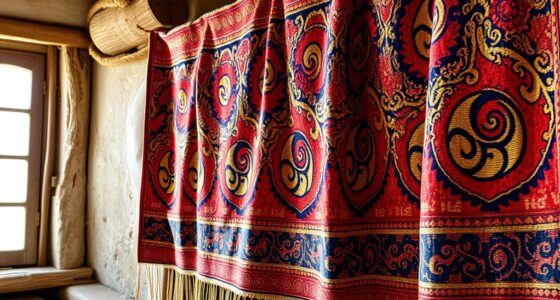
Eco-friendly fabrics like organic cotton and hemp are transforming fashion by offering sustainable alternatives that reduce environmental harm. These textiles are grown with fewer chemicals, require less water, and promote soil health, making them kinder to the planet. They’re also durable, biodegradable, and help cut down on waste and pollution. If you want to discover how these materials are shaping the future of fashion and more sustainable choices, there’s plenty more to explore.
Key Takeaways
- Eco-friendly textiles like organic cotton and hemp reduce environmental pollution and promote sustainable farming practices.
- These fabrics require less water and chemical inputs, conserving resources and supporting soil health.
- They are biodegradable, minimizing textile waste and pollution in the lifecycle of garments.
- The growing popularity of sustainable fabrics encourages transparent supply chains and eco-conscious fashion choices.
- Using eco-friendly textiles helps the industry lower its carbon footprint and promotes climate change mitigation.

Eco-friendly fabrics are gaining popularity as more people seek sustainable alternatives to traditional textiles. You’re becoming increasingly aware of how your choices impact the environment, and opting for eco-friendly materials allows you to make a positive difference. Among these options, organic cotton and hemp textiles stand out due to their minimal environmental footprint and versatile applications. Organic cotton is grown without synthetic pesticides or fertilizers, which means fewer chemicals pollute the soil and waterways. When you choose clothing made from organic cotton, you support farming practices that prioritize soil health and reduce water usage. This fabric is soft, breathable, and perfect for everyday wear, making it a popular choice for conscious consumers like you who want comfort without compromising sustainability.
Hemp textiles, on the other hand, offer a highly sustainable alternative to conventional fabrics. Hemp plants grow rapidly, require little water, and thrive without the need for pesticides or herbicides. As a result, hemp cultivation minimizes environmental damage and promotes soil regeneration. When you wear hemp textiles, you’re supporting a crop that absorbs carbon dioxide efficiently, helping to combat climate change. Hemp fabric is incredibly durable and naturally resistant to pests, so it doesn’t need chemical treatments. Its versatility allows it to be used for everything from casual apparel to sturdy outdoor gear. Because hemp textiles are biodegradable and require less processing, they reduce waste and pollution throughout their lifecycle. Additionally, hemp cultivation is recognized for its low environmental impact, making it an even more attractive sustainable choice.
Both organic cotton and hemp textiles align with your desire to reduce your ecological footprint. You might notice that clothing made from these materials often feels more natural and comfortable, partly because they’re free from synthetic chemicals and dyes. As you seek out brands committed to transparency and sustainability, you’ll find that these fabrics are increasingly accessible and fashionable. Choosing garments made from organic cotton or hemp not only supports eco-conscious farming practices but also encourages innovation in textile production. You’re part of a larger movement that values durability, biodegradability, and low environmental impact.
Frequently Asked Questions
How Do Eco-Friendly Fabrics Compare in Durability to Traditional Textiles?
Eco-friendly fabrics often match traditional textiles in fabric longevity and wear resistance, making them a smart choice for sustainable fashion. You’ll find that many eco-friendly options, like hemp or organic cotton, are designed to withstand regular wear and tear. While some may require gentle care, most eco fabrics are durable enough to last, offering you a sustainable and reliable alternative without sacrificing quality or longevity.
Are Sustainable Fabrics Cost-Effective for Mass Clothing Production?
Think of sustainable fabrics as planting a young tree that needs time to grow strong. They can be cost-effective for mass clothing production when you analyze the cost analysis and streamline your supply chain. While initial expenses might be higher, long-term savings from durability and eco-friendly sourcing balance the scales. With efficient supply chain management, you can make sustainable fabrics a viable, cost-effective choice for large-scale fashion production.
What Certifications Should Consumers Look for in Eco-Friendly Textiles?
You should look for certifications like GOTS or OEKO-TEX that guarantee textiles are organic and free from harmful chemicals. Fair trade labels are also important, as they guarantee ethical labor practices and sustainable sourcing. These certifications give you confidence that the fabrics you’re choosing support environmentally friendly production and fair working conditions, helping you make more responsible fashion choices and contribute to a greener, more equitable industry.
Can Eco-Friendly Fabrics Be Recycled or Composted After Use?
Eco-friendly fabrics can be recycled or composted, but biodegradability challenges exist. You might find some textiles are designed to break down naturally, but many face complex recycling processes that limit their reuse. Composting is possible for certain biodegradable materials, yet others require specialized facilities. To make the most eco-conscious choice, check product labels and disposal instructions, ensuring you follow appropriate recycling or composting methods to reduce waste effectively.
How Do Sustainable Textiles Impact the Overall Carbon Footprint of Fashion?
Sustainable textiles considerably reduce your fashion brand’s carbon footprint by lowering carbon emissions throughout the supply chain. These eco-friendly fabrics require less energy to produce, often using renewable resources, which cuts emissions. By choosing sustainable textiles, you help minimize environmental impact, promote responsible sourcing, and support a more eco-conscious fashion industry. This shift not only benefits the planet but also appeals to consumers seeking environmentally responsible products.
Conclusion
As you explore these eco-friendly fabrics, one thing becomes clear: the future of fashion depends on choices you make today. With innovations constantly emerging, what sustainable textile will revolutionize your wardrobe next? Will you embrace these eco-conscious options and help shape a greener industry? The possibilities are endless, and the path ahead is full of surprises. Stay tuned—your next favorite sustainable fabric might be closer than you think.