
Studio lighting gives you precise control over your fabric product photos, allowing you to highlight textures, intricate details, and vibrant colors more effectively. By adjusting light direction, intensity, and temperature, you can create even, eye-catching images that bring out the fabric’s true qualities. It helps you maintain consistency across shots and enhances delicate details like embroidery. If you keep exploring, you’ll discover even more ways to make your fabric photos stand out with professional lighting techniques.
Key Takeaways
- Studio lighting offers precise control over direction, intensity, and color temperature, enhancing fabric textures and colors.
- It allows for consistent illumination, ensuring uniformity across multiple product shots.
- Using diffused studio light reduces harsh shadows, highlighting intricate weaves and embroidery.
- Adjustable lighting setups help emphasize fabric details and create a professional, polished look.
- Combining studio lighting with reflectors or modifiers enhances fabric vibrancy and authenticity.
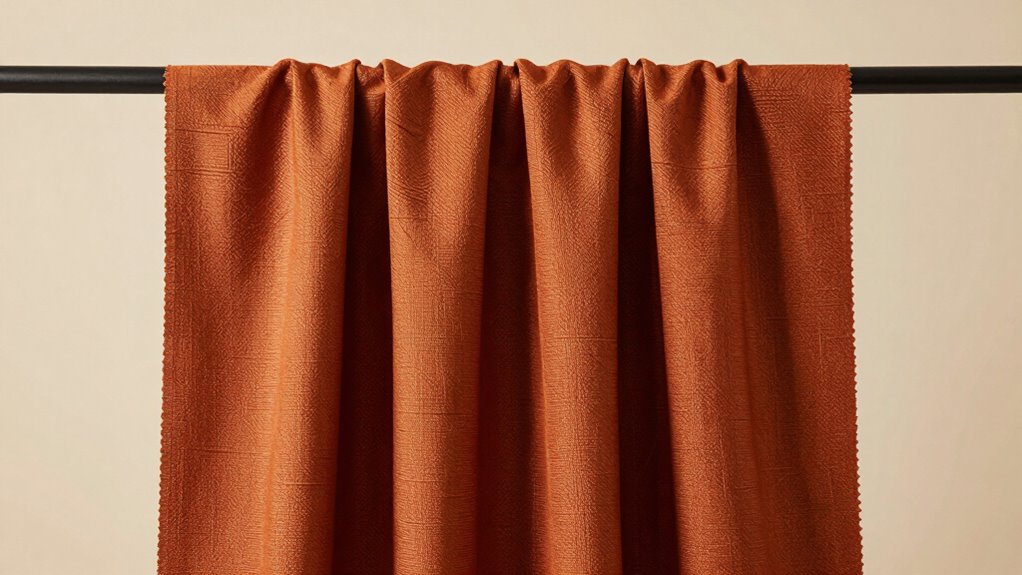
Have you ever wondered how professional photographers capture the intricate textures and vibrant colors of fabric in a studio setting? The answer often lies in the way they manipulate studio lighting to highlight every detail. Lighting isn’t just about illumination; it’s a tool that shapes perception. When photographing fabric, the right lighting setup can make colors pop, textures feel tangible, and the overall image appear true to life. Natural light, in particular, plays an essential role in achieving exceptional color accuracy and revealing the fabric’s true essence. Many photographers prefer using natural light or mimicking it with soft, diffused sources because it provides a balanced, even glow that enhances the subtle nuances of textiles.
Natural light enhances fabric textures and colors, creating authentic, vibrant images with subtle, balanced illumination.
In an indoor setting, you can’t always rely solely on natural light, but understanding its qualities helps you make better decisions. Natural light tends to be soft and evenly spread, reducing harsh shadows and highlighting the fabric’s details without distorting the colors. When you incorporate natural light into your setup, your images can appear more authentic, capturing the true vibrancy of the fabric. To maximize this, photographers often shoot near large windows or use reflectors and diffusers to control how light falls on the material. This careful control guarantees the colors you see in real life are accurately represented in your photographs, making your images compelling and trustworthy. Additionally, understanding how lighting techniques influence the final image allows for more intentional and impactful photography.
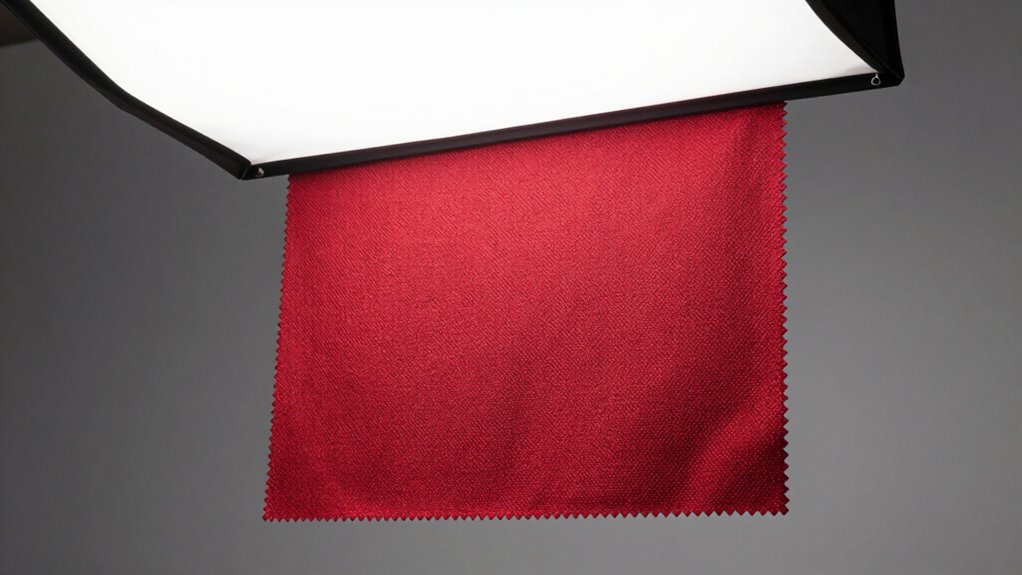
Studio lighting, whether artificial or supplemented by natural light, offers you precision. You can manipulate its direction, intensity, and color temperature to emphasize textures or create mood. For fabrics with intricate weaves or delicate embroidery, side lighting or diffused front lighting works wonders by casting gentle shadows that reveal texture without overpowering the material’s natural color. Adjusting the color temperature of your lights ensures the hues stay true to life, preventing unnatural tints that can distort the fabric’s appearance. When your goal is color accuracy, using daylight-balanced bulbs or matching the color temperature to natural light helps you maintain consistency across different shoots. Additionally, understanding how different lighting techniques influence the final image allows for more intentional and impactful photography. Incorporating a lighting setup that considers the fabric’s unique qualities can significantly elevate your results.
Ultimately, the key to compelling fabric photography is understanding how different lighting choices influence the final image. Natural light offers softness and authenticity, making colors pop and textures feel real. Studio lighting grants you control, allowing you to fine-tune every detail for precision and consistency. By combining these approaches, you can produce stunning fabric images that accurately showcase the quality, vibrancy, and intricate details of your textiles. The right lighting setup transforms a simple shot into a vivid, true-to-life portrayal that captures the essence of the fabric, enticing viewers and potential buyers alike.
studio lighting for fabric photography
As an affiliate, we earn on qualifying purchases.
As an affiliate, we earn on qualifying purchases.
Frequently Asked Questions
How Does Lighting Influence Fabric Color Accuracy?
Lighting directly influences fabric color accuracy by affecting how colors appear in photos. You guarantee color consistency by using consistent, balanced lighting and avoiding harsh shadows. Light diffusion softens the light, reducing glare and color shifts, which helps maintain true fabric hues. Proper lighting conditions prevent color distortion, allowing viewers to see the fabric’s true color. Ultimately, controlled lighting and diffusion are essential for accurate, reliable fabric product photography.
Can Studio Lighting Affect Fabric Texture Visibility?
Absolutely, studio lighting can turn fabric into a tactile wonderland or a flat, forgettable surface. By skillfully controlling shadows, you enhance texture, making every weave and fiber pop with clarity. Proper lighting emphasizes fabric’s texture, revealing its richness or subtle intricacies, so your audience doesn’t just see the fabric—they feel it. Shadow control and texture enhancement work together, transforming your photos from bland to breathtaking, revealing every detail with precision and flair.
What Are Common Lighting Mistakes in Fabric Photography?
You often make common lighting mistakes in fabric photography by neglecting to control shadows, which can obscure fabric draping details. Overly harsh lighting creates unflattering reflections, while uneven light can flatten textures. To avoid these issues, use diffused lighting to soften shadows and highlight the fabric’s natural draping. Proper shadow control reveals texture and movement, making your fabric product images more appealing and realistic.
How Do Different Light Intensities Impact Fabric Shine?
Higher light intensities boost fabric shine, making textures pop and highlighting the material’s luster. Lower intensities soften the shine, creating a more matte appearance and reducing glare. You’ll find that adjusting light levels allows you to control shine, emphasize texture, and achieve the desired mood. By balancing light, you enhance texture without overexposing, ensuring your fabric looks rich and true to life while maintaining perfect shine control.
Is Natural Light Preferable Over Studio Lighting for Fabric Photos?
Natural light often provides a warm, inviting feel to fabric photos, highlighting textures with natural warmth. It’s great for capturing true colors and creating soft, artistic shadows that add depth and interest. However, studio lighting gives you control over brightness and shadow placement, ensuring consistent results regardless of weather or time. Both have benefits, but if you want authentic warmth and artistic shadows, natural light is often preferable for fabric photography.
Conclusion
You might think that perfect fabric photos rely solely on camera quality, but studio lighting truly transforms your images. Curiously, some experts believe that soft, diffuse light can make fabrics appear thicker and more luxurious, challenging the idea that sharper light always produces clearer details. By experimenting with different lighting setups, you’ll discover how subtle changes can highlight texture and color, ultimately elevating your fabric photography and convincing viewers of your product’s quality.