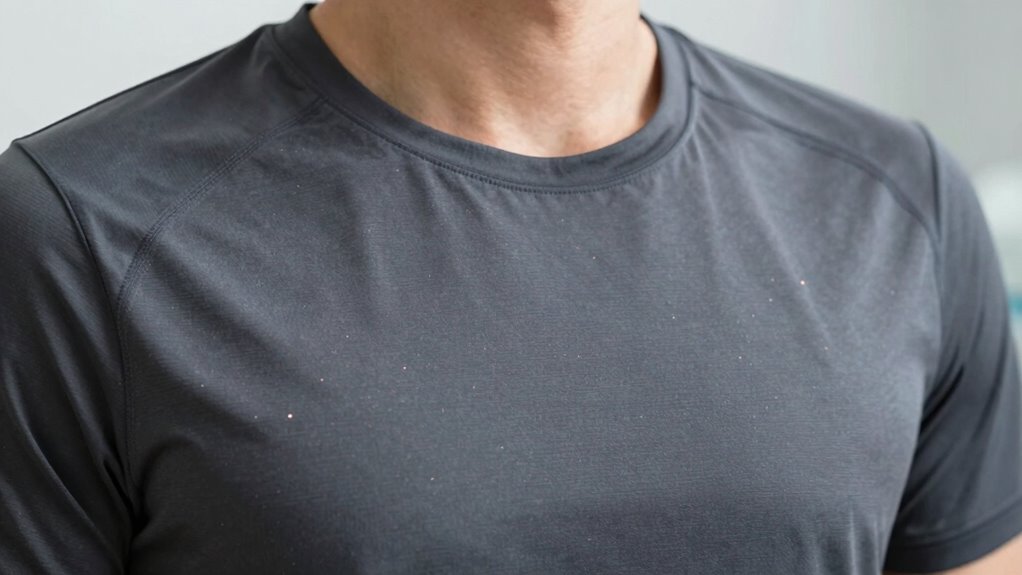

Antimicrobial fabrics help by inhibiting or killing microbes on contact, keeping your clothes fresh longer and resisting odors. They can also extend the fabric’s lifespan and are useful for activewear, medical uniforms, and household linens. However, they can’t eliminate all microbes permanently, and their effectiveness often fades with washing. Over time, chemicals may leach into water sources, and fabrics may need re-treatment. To understand the full picture, continue exploring what these fabrics can and cannot do.

Get your wardrobe favorites delivered free with Prime
- Fast, free delivery on millions of items
- Prime Video, Amazon Music and more included
- Member-only deals all year
Key Takeaways
- Antimicrobial fabrics inhibit microbial growth, reducing odors and extending fabric life, but do not eliminate all microbes permanently.
- They lose effectiveness over time and with repeated washing, requiring re-treatment or replacement.
- They are not a substitute for proper hygiene practices or complete microbial control.
- Environmental benefits include less frequent washing, but chemical leaching and disposal can harm ecosystems.
- Their antimicrobial properties may diminish, making them less effective in long-term microbial prevention.
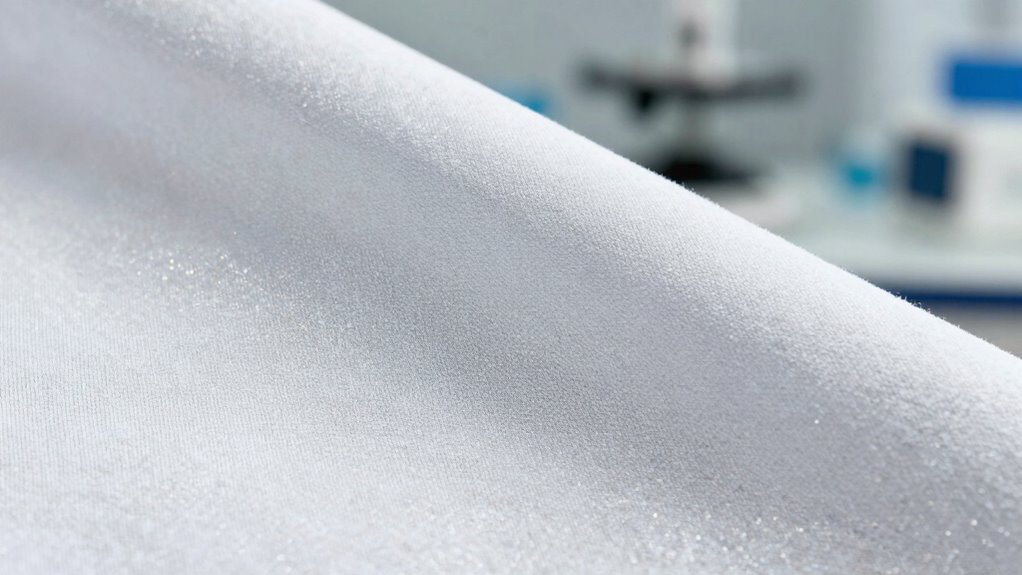
Antimicrobial fabrics have become increasingly popular as a way to combat bacteria, fungi, and other microorganisms that thrive on traditional textiles. These fabrics are treated with agents designed to inhibit or kill microbes on contact, which can help reduce odors, infections, and the spread of germs. However, it’s important to understand what antimicrobial fabrics can and cannot do, especially when it comes to fabric durability and environmental impact. While they offer significant benefits, they’re not a cure-all.
One of the main advantages of antimicrobial fabrics is their ability to maintain freshness longer. By preventing microbial growth, these textiles resist developing unpleasant odors, making them ideal for activewear, medical uniforms, and household linens. This microbial resistance doesn’t just improve user experience but can also extend the fabric’s lifespan. Since microbial activity often accelerates fabric deterioration, treating textiles with antimicrobial agents can help preserve their integrity over time. That said, the durability of the antimicrobial effect varies. Some treatments fade after multiple washes, which means the fabric’s antimicrobial properties diminish, and you may need to replace or re-treat the textiles to maintain their benefits. This potential reduction in antimicrobial effectiveness over time impacts the overall fabric durability and can influence your long-term investment in these products.
When it comes to environmental impact, antimicrobial fabrics present both positives and negatives. On the one hand, by resisting microbial growth, these fabrics may require fewer washes or less harsh detergents, potentially reducing water and chemical use. On the other hand, concerns exist about the environmental footprint of the chemical agents used in treatment. Some antimicrobial agents, especially certain metals like silver or copper, can leach into water systems during washing, posing risks to aquatic life. Additionally, the production and disposal of these treated fabrics contribute to environmental waste, and not all antimicrobial agents are biodegradable. This means that, despite their microbial benefits, antimicrobial fabrics can have a lasting environmental impact, particularly if they’re discarded prematurely or washed frequently.
As an affiliate, we earn on qualifying purchases.
Frequently Asked Questions
Are Antimicrobial Fabrics Safe for Sensitive Skin?
Yes, antimicrobial fabrics are generally safe for sensitive skin, but you should still check for potential fabric allergies. These fabrics are designed to reduce bacteria and odor, making them comfortable for prolonged wear. However, if you have sensitive skin, look for hypoallergenic options and avoid fabrics treated with harsh chemicals. Always test a small patch first, and consult with your dermatologist if you’re unsure about reactions.
How Long Do Antimicrobial Treatments Last on Fabrics?
Antimicrobial treatments on fabrics usually last between 20 to 50 washes, but durability concerns can vary based on the fabric type and washing methods. You might notice the treatment weakening over time, especially with frequent washing or harsh detergents. To maximize treatment longevity, follow care instructions carefully. Keep in mind that active wear and heavily-used items may need re-treatment sooner, impacting how long your antimicrobial fabric stays effective.
Can Antimicrobial Fabrics Prevent All Types of Bacteria?
Antimicrobial fabrics can’t prevent all types of bacteria, especially with ongoing antimicrobial resistance issues. While they inhibit many common bacteria, some may still survive or develop resistance over time. You should know that fabric longevity impacts their effectiveness; as treatments wear off, bacteria may find new ways to grow. So, these fabrics aren’t foolproof, and maintaining good hygiene is essential to complement their antimicrobial properties.
Do Antimicrobial Fabrics Require Special Care or Washing?
Like tending to a delicate garden, you need to handle antimicrobial fabrics with care. They often require specific washing frequency and fabric compatibility considerations to sustain their properties. Check the manufacturer’s instructions, as some fabrics may need gentle cycles or special detergents. Avoid bleach or fabric softeners, which can diminish their effectiveness. Proper care guarantees your antimicrobial gear stays fresh and functional, just like nurturing a well-loved garden.
Are Antimicrobial Fabrics Environmentally Friendly?
Antimicrobial fabrics aren’t always environmentally friendly. They often use chemicals that may impact chemical sustainability and biodegradability implications, making it harder for the fabric to break down naturally. While some brands aim for eco-friendly options, others may contribute to pollution or waste issues. If you’re concerned about environmental impact, look for fabrics labeled as biodegradable or made with sustainable, eco-conscious antimicrobial treatments.
Conclusion
So, next time you buy that “antimicrobial” shirt, remember it’s not a magic shield against all germs. It might slow down bacteria, but it sure won’t turn your clothes into invincible armor. Don’t fool yourself into thinking you’re invulnerable—your sweat and dirt still have a date with those fabrics. So go ahead, wear your fancy antimicrobial gear, but don’t forget: it’s not a superhero cape. Germs still have a sense of humor.
Halloween Picks
halloween
As an affiliate, we earn on qualifying purchases.