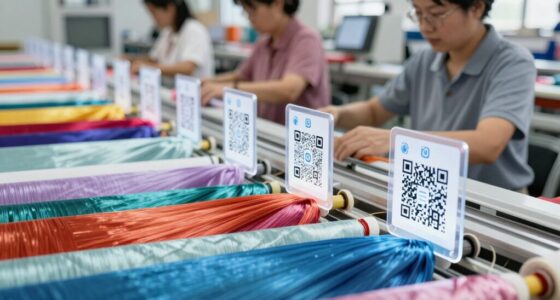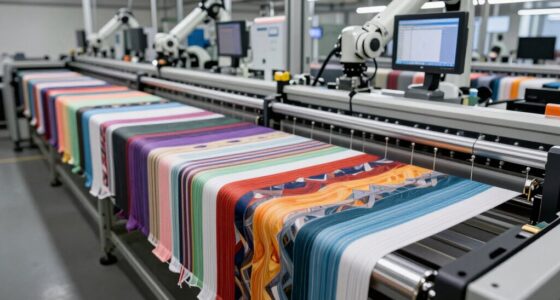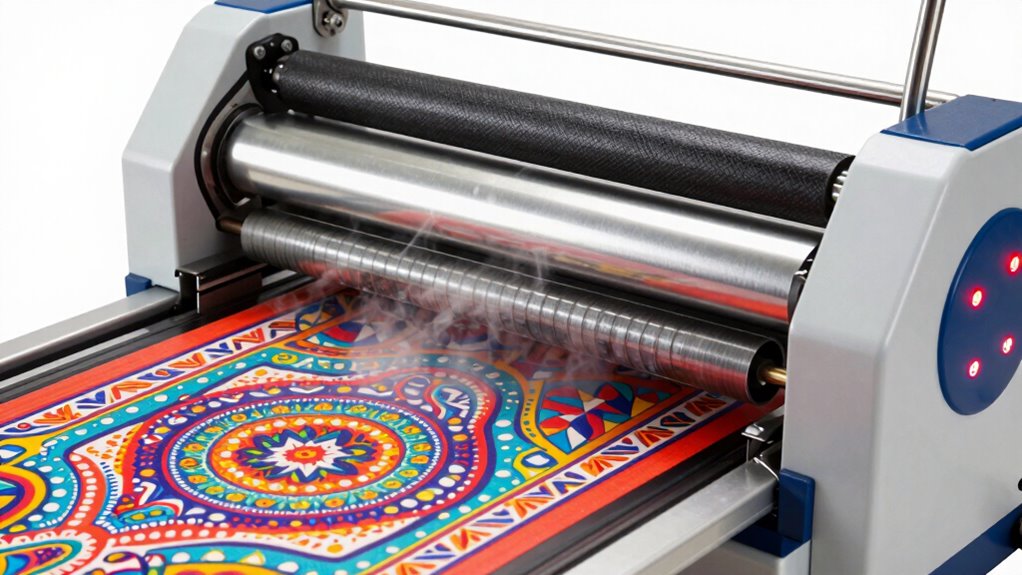

Heat transfer machines use heat and pressure to imprint designs onto textiles quickly and precisely. You’ll select the right temperature and time based on your fabric type, ensuring vibrant, durable results. The machine’s core components, like a heated platen and adjustable settings, help activate adhesives or inks for a clean transfer. Proper calibration and material compatibility are key to avoiding damage and achieving professional results. Keep exploring to discover how to optimize your heat transfer process even further.

Get your wardrobe favorites delivered free — and shop member deals
- Fast, free delivery on millions of items
- Access to Prime Big Deal Days deals on October 6–7
- Prime Video, Amazon Music and more included
Key Takeaways
- Heat transfer machines use controlled heat and pressure to apply designs onto fabrics through inks, vinyl, or adhesives.
- Proper material compatibility ensures optimal transfer quality and prevents fabric damage during the process.
- Adjustable temperature and time settings help tailor the transfer process to different textile types.
- Uniform heat distribution and pressure are essential for crisp, durable, and professional-looking prints.
- Regular calibration and maintenance of equipment ensure consistent results and longevity of the transfer machine.

Heat transfer machines have revolutionized the way you apply designs and images onto textiles, making the process faster and more efficient. These machines use a heat source to transfer ink, vinyl, or other materials onto fabric surfaces, allowing you to produce vibrant, durable prints with relative ease. The core of their operation is the heat source, which could be a heated platen, a heat press, or even a heat transfer device with adjustable temperature controls. This heat source applies precise amounts of heat and pressure, activating adhesives or inks to bond with the textile fibers. The key to successful transfers lies in understanding the significance of material compatibility, as not all textiles react the same way to heat and pressure. Recognizing the importance of material compatibility can help you select the right settings for each fabric type.
Heat transfer machines use precise heat and pressure to create vibrant, durable textile designs.
When choosing a heat transfer machine, you need to take into account the types of textiles you plan to work with. Some fabrics, like cotton and polyester, are highly compatible with heat transfer processes and can withstand higher temperatures without damage. Others, such as nylon or delicate silk, require lower temperatures and shorter press times to prevent scorching or melting. Material compatibility directly impacts the quality and longevity of your designs, so you should always match your heat source’s settings with the specific textile you’re working on. Many modern heat transfer machines come with adjustable temperature and time controls, giving you the flexibility to optimize the process for different fabrics. Additionally, understanding the heat transfer process can help you troubleshoot issues and improve your results. Using the proper calibration of your heat transfer machine ensures consistent and professional-looking results.
The heat source itself plays a fundamental role in ensuring a clean, crisp transfer. A well-calibrated heat press provides uniform heat distribution across its surface, which is essential for achieving consistent results. Inconsistent heat can lead to uneven transfers, with some areas peeling or not adhering properly. That’s why selecting a machine with good temperature stability and a reliable pressure mechanism is necessary. Additionally, some heat transfer machines incorporate features like silicone pads or Teflon sheets, which help protect delicate fabrics from direct contact with the heat source and prevent sticking or scorching. Proper maintenance of your machine also extends its lifespan and maintains transfer quality over time. Regularly checking and cleaning your equipment can prevent buildup and irregular heat spots.
Ultimately, understanding the relationship between the heat source and material compatibility helps you produce high-quality textile designs efficiently. By matching the appropriate heat settings to the fabric type and ensuring even heat distribution, you can achieve professional results every time. This knowledge enables you to expand your creative options, whether you’re customizing apparel, creating promotional items, or designing unique textiles. Properly leveraging heat transfer machines empowers you to work faster, smarter, and with greater confidence in the durability and appearance of your finished products.
heat transfer machine for textiles
As an affiliate, we earn on qualifying purchases.
As an affiliate, we earn on qualifying purchases.
Frequently Asked Questions
Can Heat Transfer Machines Be Used on All Types of Textiles?
Heat transfer machines can’t be used on all types of textiles, as fabric compatibility is key. Some materials, like polyester and cotton blends, work well, but others, such as nylon or certain delicate fabrics, may not withstand the heat or pressure. You should always test for color retention and fabric durability first. Properly choosing textiles guarantees vibrant designs and prevents damage, making your transfers last longer and look better.
How Long Does It Take for a Heat Transfer Process?
The heat transfer process typically takes between 10 to 30 seconds, depending on the design and fabric compatibility. Heat transfer technology requires you to apply consistent pressure and correct temperature to guarantee proper adhesion. Thinner or smoother fabrics usually transfer faster, while thicker or textured textiles may need longer. Always follow the manufacturer’s guidelines for ideal results, as fabric compatibility influences the transfer time considerably.
Are Heat Transfer Machines Energy-Efficient?
Yes, heat transfer machines are generally energy-efficient. They consume relatively low energy during operation, which helps reduce overall energy consumption. This efficiency also minimizes their environmental impact, making them a sustainable choice for textile printing. By optimizing settings and using quality equipment, you can further enhance energy savings, ensuring your process remains eco-friendly while delivering high-quality results.
What Safety Precautions Are Necessary When Operating These Machines?
When operating heat transfer machines, you should wear safety gear like gloves and eye protection to prevent burns or injuries. Always follow emergency protocols, such as knowing how to quickly shut off the machine and access first aid. Keep the workspace clear of clutter, and never leave the machine unattended while it’s hot. These precautions help guarantee your safety and prevent accidents during operation.
How Do Temperature Settings Affect Print Quality?
You’ll notice that temperature settings directly impact print quality, especially regarding color accuracy and material compatibility. If you set the temperature too high, colors may bleed or fade, compromising the design’s vibrancy. Conversely, too low a temperature can lead to incomplete transfers or poor adhesion. To achieve the best results, adjust the temperature based on the specific material you’re working with, ensuring sharp, vivid images without damaging the textile.
Conclusion
Now that you understand how heat transfer machines work on textiles, you’re better equipped to create stunning designs with confidence. These machines are powerful tools that turn your ideas into reality, making the process smoother and more efficient. Remember, practice makes perfect—don’t be afraid to experiment and find what works best for you. With a little patience, you’ll see your skills grow by leaps and bounds—proving that where there’s a will, there’s a way.
Fall Picks
fall essentials
As an affiliate, we earn on qualifying purchases.