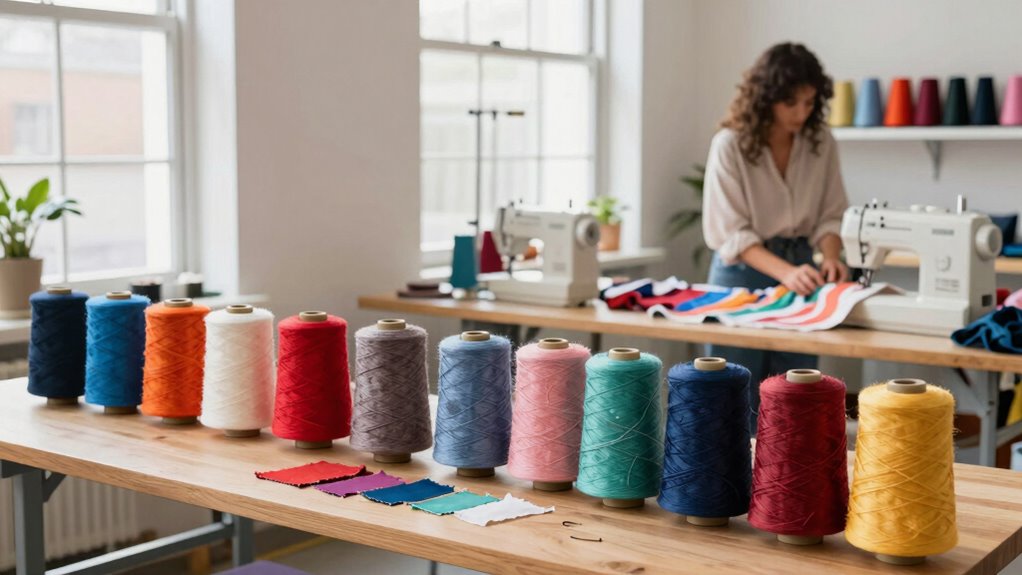

Textile startups focus on waste reduction because they want to address the industry’s environmental impact and promote sustainable innovation. By using recycled fibers, biodegradable materials, and circular economy practices, they aim to minimize landfill overflow and pollution. These efforts help create eco-friendly products that appeal to environmentally conscious consumers. As they adopt new technologies and sustainable sourcing, they’re transforming the fashion world. If you want to learn more about these innovative solutions, keep exploring how they’re shaping the industry.

Get your wardrobe favorites delivered free — and shop member deals
- Fast, free delivery on millions of items
- Access to Prime Big Deal Days deals on October 6–7
- Prime Video, Amazon Music and more included
Key Takeaways
- To address environmental concerns from pollution and landfill overflow caused by traditional manufacturing methods.
- To meet consumer demand for eco-friendly and sustainable fashion products.
- To leverage technological innovations like fabric recycling and biodegradable fibers for competitive advantage.
- To implement circular economy practices that extend product lifecycles and minimize waste.
- To align with industry shifts towards responsible, resource-preserving, and eco-conscious business models.
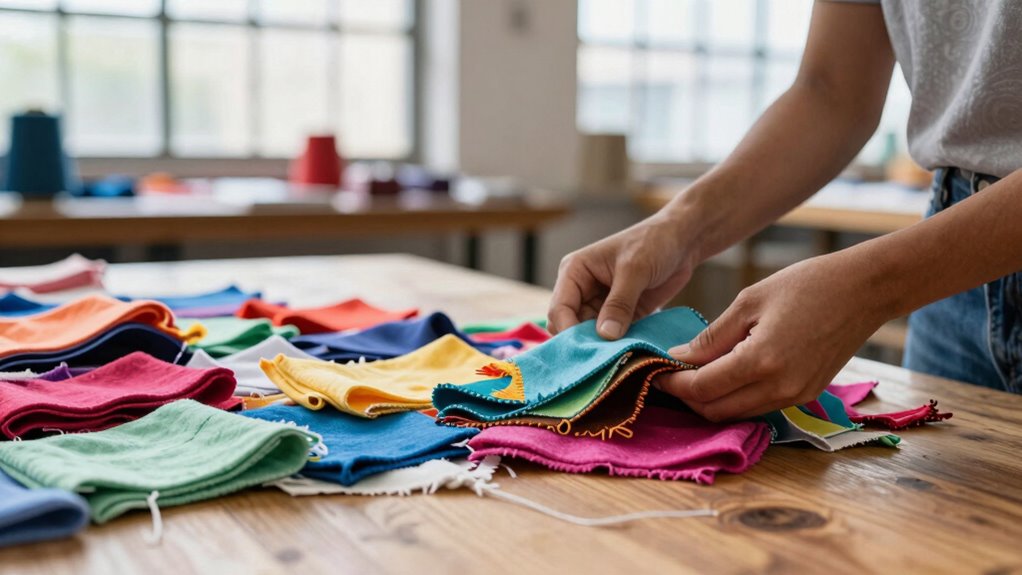
As the fashion industry faces mounting environmental concerns, textile startups are stepping up with innovative approaches to reduce waste. These emerging companies recognize that traditional manufacturing methods contribute significantly to pollution and landfill overflow. To combat this, they’re focusing on sustainable fiber sourcing, ensuring that the raw materials they use come from renewable or recycled sources. This shift not only lowers environmental impact but also appeals to consumers increasingly interested in eco-friendly products.
Startups are revolutionizing fashion with sustainable fibers like recycled polyester and organic cotton to reduce environmental impact.
In addition to sustainable fiber sourcing, these startups are championing circular economy initiatives. The idea is to create a closed-loop system where textiles are reused, recycled, or repurposed rather than discarded after a single use. You might see companies designing garments that can be easily disassembled for recycling, or they’re developing products made entirely from recycled fabrics. They’re also encouraging consumers to participate in take-back programs, where old clothes are returned for refurbishment or recycling. This minimizes waste and extends the lifecycle of materials, making the entire process more sustainable. Embracing innovative recycling techniques is helping these startups achieve their sustainability goals more effectively.
By adopting circular economy strategies, startups are transforming waste from a problem into an opportunity. They’re creating new business models based on reuse and recycling, which not only reduces environmental harm but can also lower production costs over time. For example, innovations such as fabric recycling machines are making it easier to process waste textiles efficiently. Additionally, these advancements are supported by technological innovations that enhance waste reduction efforts across the industry. These technological advancements also contribute to the development of biodegradable fibers, which break down naturally and minimize pollution. For you as a consumer, this means buying from brands that prioritize rethinking waste and designing products with their end-of-life in mind. It’s about shifting the focus from linear processes—make, use, dispose—to sustainable loops that benefit the planet.
These initiatives are further supported by innovations in technology, such as fabric recycling machines and biodegradable fibers, which make waste reduction more feasible and scalable. For startups, this technological edge provides a competitive advantage and aligns with their mission to lessen the ecological footprint of fashion. As you become more aware of these efforts, you’ll see that waste reduction isn’t just a trend but a core principle guiding the future of textiles. By supporting startups that prioritize sustainable fiber sourcing and circular economy initiatives, you’re helping push the industry toward a more responsible and eco-conscious path. The collective shift toward waste reduction reflects a commitment to preserving resources, reducing pollution, and building a more sustainable fashion landscape for generations to come. Additionally, advancements in home textile projectors are showing how innovative technology can also contribute to sustainable practices by reducing the need for physical materials in certain applications.
As an affiliate, we earn on qualifying purchases.
Frequently Asked Questions
How Do Startups Measure Their Waste Reduction Progress?
You measure your waste reduction progress by tracking key metrics like waste diverted from landfills and materials recycled. You also analyze your supply chain optimization efforts to find efficiencies, reducing excess production. Consumer education plays a crucial role, as informed customers support your sustainability goals. Regularly reviewing these data points helps you gauge improvements, set new targets, and demonstrate your commitment to waste reduction, building trust and credibility with your audience.
What Innovative Materials Are Being Used to Reduce Waste?
You’re discovering dynamic, daring designs with innovative materials like textile recycling and sustainable fibers. These fresh fabrics, born from recycled plastics or organic sources, drastically slash waste and diminish environmental damage. Startups are pioneering eco-friendly textiles that not only perform perfectly but also protect the planet. By blending bold creativity with sustainable sourcing, they’re transforming trash into trendy textiles, proving waste reduction can be woven into every wardrobe.
How Does Waste Reduction Impact Product Pricing?
Waste reduction can lower production costs, which often leads to more competitive product pricing. As a result, you might find that environmentally conscious practices not only benefit the environment but also enhance consumer perception, making your products more appealing. This dual advantage boosts your brand’s reputation and can increase sales, all while contributing to positive environmental benefits. Ultimately, waste reduction helps you balance affordability with sustainability, appealing to eco-minded customers.
Are Government Regulations Influencing Startup Waste Strategies?
You might think government regulations don’t impact your startup, but they truly do. Strict policies on waste management and environmental compliance push you to innovate and adopt sustainable practices. Regulatory compliance becomes a catalyst for change, compelling you to reduce waste and improve efficiency. You’ll find that staying ahead of government policies not only keeps you compliant but also boosts your reputation and competitiveness in a conscious market.
What Challenges Do Startups Face in Implementing Waste Reduction?
You face challenges like sourcing sustainable materials consistently, which affects your supply chain and costs. Implementing waste reduction also requires embracing the circular economy, demanding innovative design and recycling processes. Balancing eco-friendly practices with profitability can be tough, especially with limited resources. You need to educate your team, establish reliable sustainable sourcing channels, and invest in circular economy initiatives to overcome these hurdles effectively and build a truly eco-conscious startup.
Conclusion
By focusing on waste reduction, you’re not just helping the environment—you’re staying ahead of the curve. Textile startups embracing sustainability prove that doing well and doing good can go hand in hand. Remember, it’s often the early bird that catches the worm, so by prioritizing waste reduction now, you position yourself for long-term success. Keep pushing boundaries, and you’ll find that sustainability isn’t just a trend—it’s the future of fashion.
Fall Picks
fall essentials
As an affiliate, we earn on qualifying purchases.