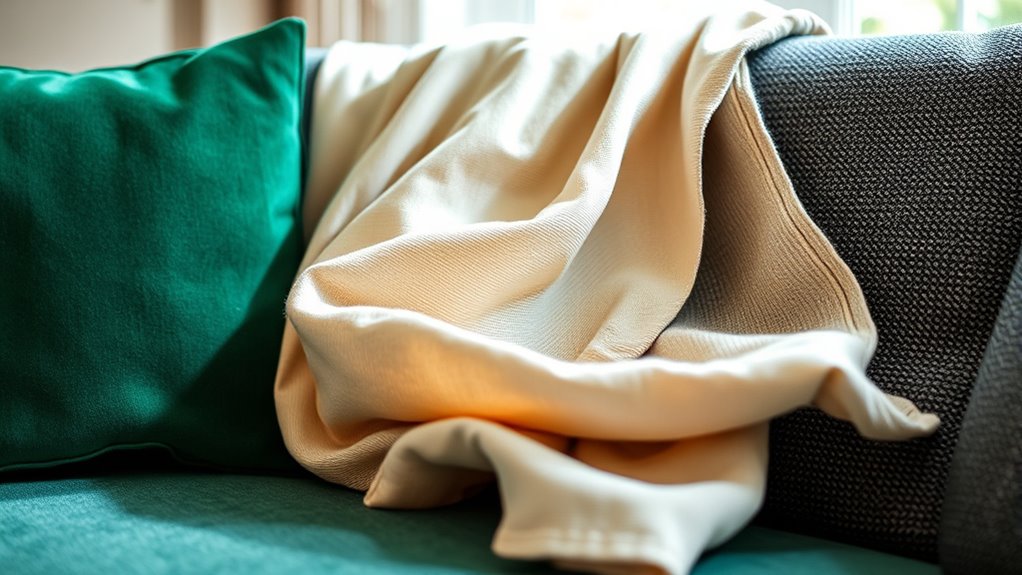
When choosing upholstery fabrics, prioritize durability to guarantee your furniture withstands daily use over time. Opt for fabrics that are easy to clean, such as performance or stain-resistant options, especially for high-traffic areas. Don’t forget to match the style and texture to your decor, balancing aesthetics with practicality. Considering eco-friendly choices adds sustainability. If you want guidance on striking the perfect balance, the details ahead will help you make confident decisions.

Get your wardrobe favorites delivered free with Prime
- Fast, free delivery on millions of items
- Prime Video, Amazon Music and more included
- Member-only deals all year
Key Takeaways
- Prioritize performance fabrics with stain-resistant properties for easier maintenance in high-traffic areas.
- Select durable materials like leather or tightly woven textiles to ensure longevity and resistance to wear.
- Consider eco-friendly options such as organic cotton or hemp for sustainability and natural aesthetics.
- Match fabric textures and patterns to your interior style for a cohesive and visually appealing look.
- Balance practical needs with style preferences to choose fabric that is both functional and enhances your decor.
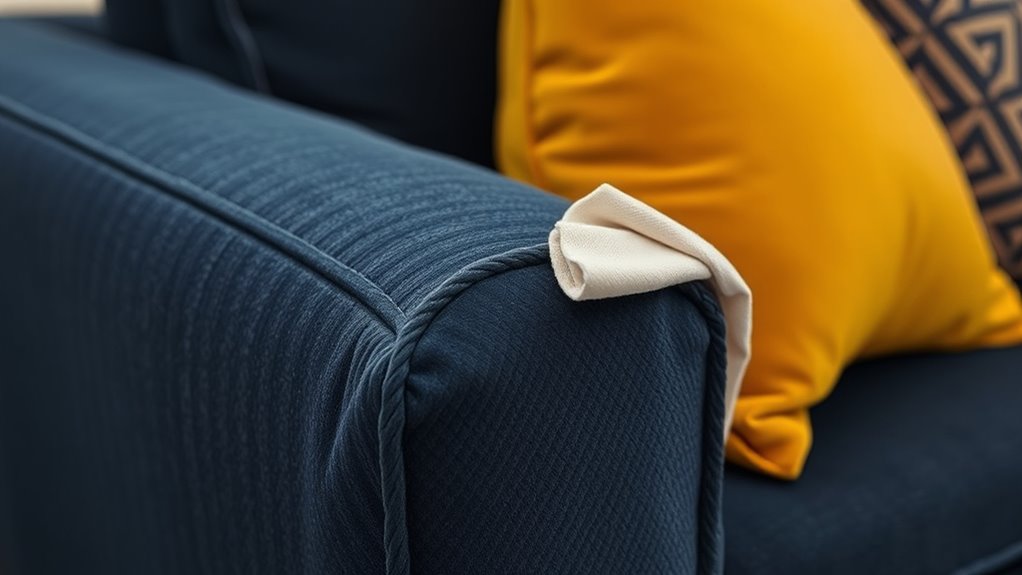
Selecting the right upholstery fabric is vital to creating furniture that’s both stylish and durable. When choosing your fabric, consider how it will hold up over time, especially with daily use. Fabric maintenance becomes a key factor here. Some materials require regular cleaning and special treatments to keep their appearance fresh, while others are more resistant to stains and wear. For busy households or high-traffic areas, look for fabrics that are easy to clean and maintain. This might include options like performance fabrics, which are designed to resist spills and stains, or fabrics with built-in stain repellents. By understanding the maintenance needs of different fabrics, you can select a material that fits your lifestyle and reduces the effort needed to keep your furniture looking its best.
Additionally, considering fabric durability can help ensure your furniture withstands years of use without losing its appeal. Eco-friendly options are also worth considering when choosing upholstery fabric. Many manufacturers now offer sustainable fabrics made from natural fibers such as hemp, jute, or organic cotton. These materials not only reduce environmental impact but can also add a unique texture and aesthetic to your furniture. Additionally, eco-friendly fabrics are often free from harmful chemicals and dyes, making them a healthier choice for your home. When shopping, look for certifications like GOTS (Global Organic Textile Standard) or OEKO-TEX, which verify that the fabric meets strict environmental and safety standards. Choosing eco-friendly options not only benefits the planet but can also enhance your home’s interior by adding natural, earthy tones and textures.
Beyond environmental concerns, think about how the fabric complements your style. There’s a wide range of textures, colors, and patterns to choose from, so it’s vital to pick something that aligns with your overall decor. If you prefer a sleek, modern look, opt for smooth fabrics like leather or microfiber. For a cozy, inviting feel, textured fabrics like chenille or boucle can add warmth and character. Remember, the fabric you choose should reflect your personal taste while also serving the practical needs of your space.
Ultimately, selecting upholstery fabric involves balancing durability, ease of maintenance, eco-friendliness, and style. By paying attention to these factors, you guarantee your furniture will look good and last for years to come. Think about your daily routines, environmental values, and aesthetic preferences, and you’ll find the perfect fabric that meets all your needs. With a thoughtful choice, your furniture will not only elevate your decor but also stand up to the demands of everyday life.
Frequently Asked Questions
Which Fabrics Are Best for Homes With Pets?
If you want fabrics that handle pets well, opt for those with high pet hair resistance and scratching durability. Leather and microsuede are excellent choices because they resist pet hair buildup and withstand scratching. Tight-weave fabrics like microfiber also work, as they’re less likely to trap hair and are tough enough to endure playful paws. These options keep your furniture looking good longer, even with active pets around.
How Do I Prevent Fading in Sun-Exposed Furniture?
To prevent fading in sun-exposed furniture, you should use sun protection measures and fabric treatments. Place your furniture away from direct sunlight or use window coverings like curtains or blinds. Applying UV-protective fabric treatments can also help block harmful rays. Additionally, rotating cushions regularly and using slipcovers can shield your upholstery, maintaining its color vibrancy over time. These steps keep your furniture looking fresh and colorful despite sun exposure.
Are There Eco-Friendly Upholstery Fabric Options?
Absolutely, eco-friendly upholstery fabrics exist—who knew saving the planet could look so stylish? You can explore recycling options like recycled polyester or organic-certified cotton, which are both sustainable and chic. These fabrics reduce environmental impact and often come with organic certifications, assuring you’re choosing healthier, greener options. So go ahead, make a bold statement for the planet while decking out your furniture without sacrificing style or conscience.
What Fabrics Resist Mold and Mildew Effectively?
If you want fabrics that resist mold and mildew, look for mold resistant or mildew proof options. Materials like olefin, polyester, and acrylic are naturally resistant or can be treated with protective coatings. These fabrics are ideal for damp or humid environments, helping you prevent mold growth effectively. Always check product labels for mold resistant or mildew proof features, ensuring your upholstery stays fresh and clean longer.
How Can I Test Fabric Durability Before Purchasing?
To test fabric durability before buying, you should examine fabric testing methods like rub tests and tensile strength assessments, which reveal durability indicators. You can also request fabric samples and perform your own tests by simulating wear, checking colorfastness, and inspecting how the fabric handles bending or stretching. This hands-on approach helps you gauge if the fabric will stand up to daily use and match your style needs.
Conclusion
Think of choosing upholstery fabric like planting a sturdy tree—you want roots that hold strong, branches that grow with style, and leaves that stay vibrant through seasons. When you pick durability, cleanability, and style, you’re crafting a timeless landscape in your home. Trust your instincts, nurture your choice, and watch your space flourish, just like a well-tended garden. With each decision, you’re shaping a cozy, beautiful oasis you’ll cherish for years to come.
Halloween Picks
halloween
As an affiliate, we earn on qualifying purchases.