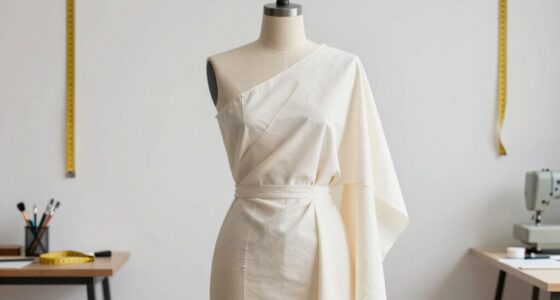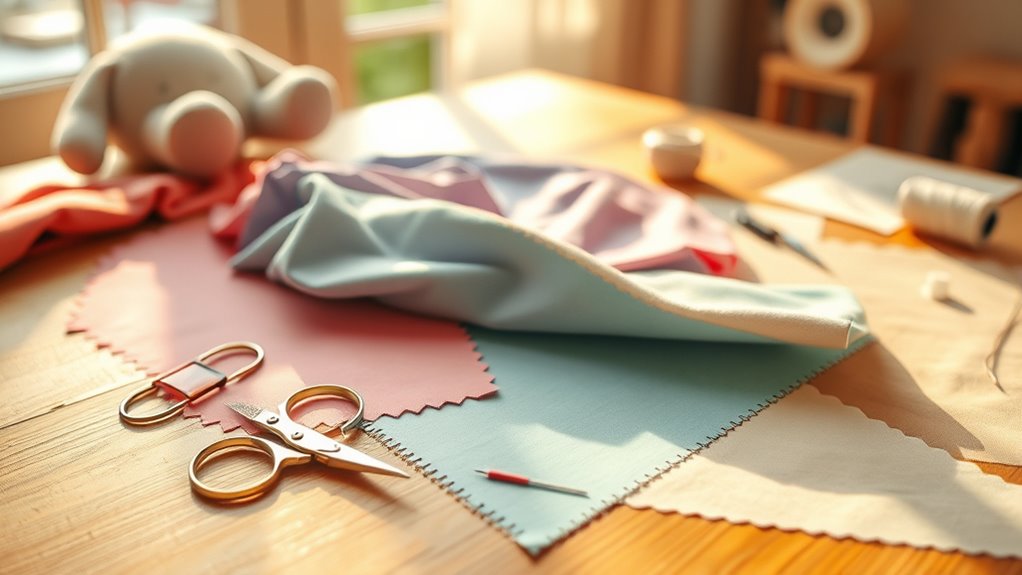

If you’re new to fabric crafts, start with simple sewing projects like embroidered patches or decorative hoops. Focus on basic embroidery techniques such as backstitch and satin stitch, using medium-weight fabrics like cotton or linen. Practice regularly to build your confidence and skill, and keep your workspace organized. As you progress, experiment with different stitches and project ideas. If you keep exploring, you’ll discover more tips to help you create beautiful, personalized fabric crafts.

Get your wardrobe favorites delivered free — and shop member deals
- Fast, free delivery on millions of items
- Access to Prime Big Deal Days deals on October 6–7
- Prime Video, Amazon Music and more included
Key Takeaways
- Start with small, simple projects like embroidered bookmarks or decorative patches to build basic sewing skills.
- Choose medium-weight fabrics such as cotton or linen that are easy to handle for beginners.
- Practice basic embroidery stitches like backstitch and satin stitch to add decorative details.
- Use minimal tools: embroidery floss, needle, and fabric to keep projects manageable and affordable.
- Follow tutorials or video guides to learn techniques and gain confidence in fabric craft projects.
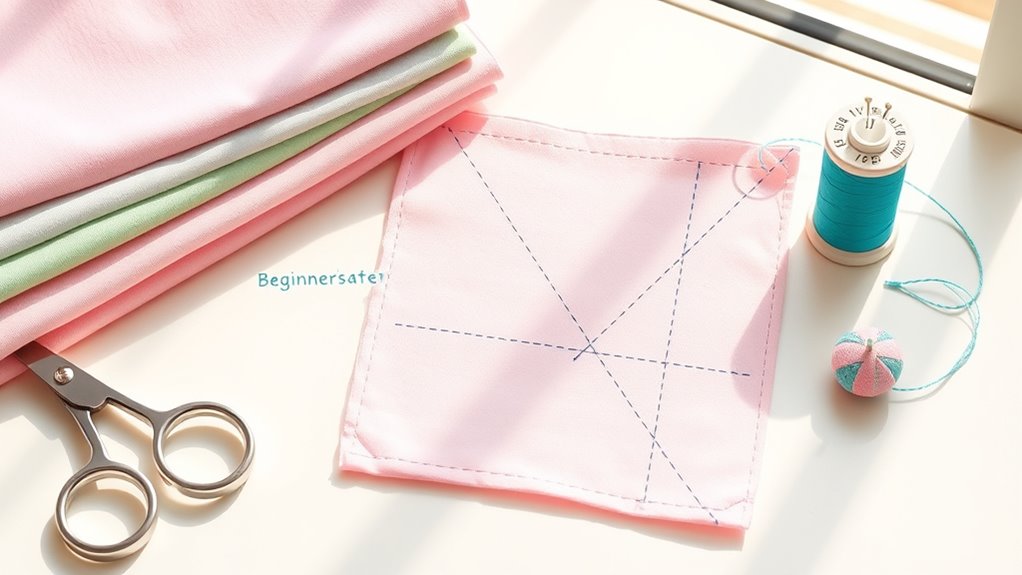
Are you interested in exploring the world of fabric crafts but unsure where to start? Diving into sewing projects can seem overwhelming at first, but with a bit of guidance, you’ll find it’s easier than you think. One of the best ways to begin is by exploring simple embroidery techniques. Embroidery adds beautiful detail to fabric projects and requires minimal equipment—just some embroidery floss, a needle, and your fabric. To get started, choose straightforward stitches like the backstitch or satin stitch, which are easy to learn and perfect for beginners. Practice these on scrap fabric until you feel confident, then gradually move on to more intricate designs. Embroidery allows you to personalize your projects and develop your skills at your own pace.
Start with simple embroidery stitches to personalize fabric projects effortlessly.
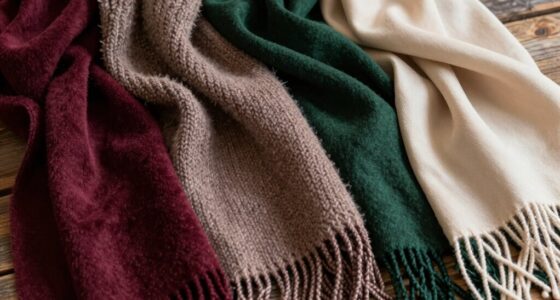
Another key to successful fabric crafts is selecting the right fabric. Fabric selection tips for beginners include opting for medium-weight fabrics like cotton or linen, which are easier to handle and sew. These fabrics are forgiving for beginners, providing stability and making it simpler to achieve even stitches. When choosing fabric, consider the final project—if you’re making a pillow, a sturdy fabric like canvas works well; for a decorative hoop, lightweight cotton or muslin is ideal. Always check the fabric’s weave and texture; tightly woven fabrics are easier to work with, especially when learning embroidery or sewing seams. Avoid slippery or stretchy fabrics initially, as they can be frustrating to work with and may lead to uneven stitches or seams.
Once you have your fabric and embroidery supplies, start with small projects like a simple embroidered bookmark or a decorative patch. These projects help you get a feel for handling fabric, threading a needle, and controlling your stitches. As you gain confidence, you can experiment with different embroidery techniques—french knots, lazy daisies, or satin stitches—to add variety and texture to your projects. Remember, patience is key. Take your time to practice and enjoy the process. The more you work with fabric, the more intuitive it becomes. Keep your workspace organized, and don’t hesitate to revisit tutorials or instructional videos if you need extra guidance.
A helpful tip is to practice regularly to improve your skills and build confidence more quickly. In essence, beginning your fabric craft journey involves mastering basic embroidery techniques and choosing the right fabric. With these foundational skills, you’ll be well on your way to creating lovely, personalized sewing projects. So gather your supplies, start small, and enjoy the rewarding experience of turning fabric into something special.
As an affiliate, we earn on qualifying purchases.
Frequently Asked Questions
What Are the Best Fabrics for Beginners?
You should choose fabrics with a smooth fabric texture, like cotton or linen, as they’re easy to work with. These fabrics also offer good fabric durability, ensuring your projects last. Cotton, in particular, is forgiving for beginners because it doesn’t slip or fray easily. Avoid delicate or stretchy fabrics until you gain more confidence, as these can be tricky to handle. Start simple for the best sewing experience.
How Do I Choose the Right Sewing Tools?
Think of choosing sewing tools like selecting the perfect recipe ingredients—you need the basics to succeed. Start with sewing machine basics, ensuring it’s easy to operate and suits your projects. Then, focus on selecting thread types that match your fabric, giving your stitches strength and smoothness. Opt for sharp scissors and pins to make your work precise. With the right tools, you’ll turn your ideas into beautiful creations effortlessly.
What Are Common Sewing Mistakes to Avoid?
To avoid common sewing mistakes, keep your sewing speed steady and controlled, so you don’t rush and make errors. Always check your thread tension before starting, as improper tension can cause uneven stitches or bunching. Pay attention to your fabric and stitch length, and avoid pulling on the fabric while sewing. Practice patience and take your time—these small adjustments will help you achieve professional-looking results.
How Do I Maintain and Care for Fabric Crafts?
You can keep your fabric crafts looking great by following simple fabric care tips. Always wash your items according to the fabric’s instructions, and avoid harsh detergents. When stains occur, act quickly with stain removal techniques specific to the fabric type. Coincidentally, taking good care of your crafts not only preserves their appearance but also makes them more enjoyable to use and display, turning your sewing projects into lasting treasures.
Can I Reuse or Repurpose Fabric Scraps Effectively?
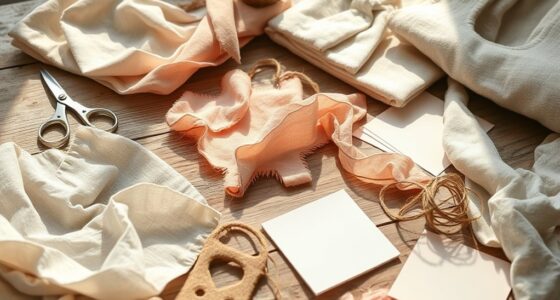
Yes, you can definitely reuse and repurpose fabric scraps effectively. Start with upcycling ideas like making small accessories, patchwork quilts, or decorative items. Use scrap fabric projects to create coasters, bookmarks, or fabric flowers. By thinking creatively, you minimize waste and give new life to your leftover pieces. Keep your scraps organized, and you’ll find endless possibilities for turning tiny fabric bits into beautiful, functional crafts.
Conclusion
Just like a seed planted in fertile soil, your first fabric craft is the beginning of a beautiful garden. With patience and practice, your skills will grow, blooming into stunning creations. Remember, every stitch you make is a step toward mastering your craft. Keep nurturing your passion, and soon you’ll harvest a vibrant array of projects that showcase your creativity. Stay committed, and watch your sewing journey flourish beyond what you imagined.
Fall Picks
fall essentials
As an affiliate, we earn on qualifying purchases.