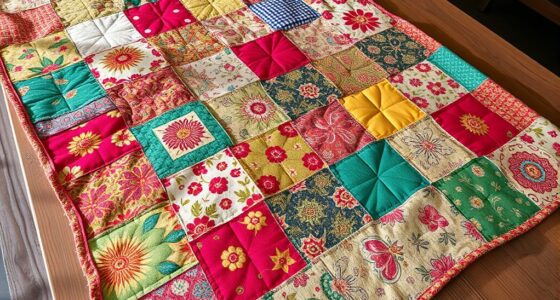
You can transform remnants of linen into fun, eco-friendly projects like tiny pouches, fabric coasters, or patchwork pillow covers that add a cozy touch to your home. Use small scraps for bookmarks, sachets, or keychains, and upcycle leftover pieces into beautiful accessories or decor. With neat sewing techniques and smart planning, you’ll make practical items that reduce waste. Keep exploring for more creative ideas to breathe new life into your linen remnants.

Get your wardrobe favorites delivered free — and shop member deals
- Fast, free delivery on millions of items
- Access to Prime Big Deal Days deals on October 6–7
- Prime Video, Amazon Music and more included
Key Takeaways
- Transform linen remnants into small accessories like pouches, keychains, and bookmarks for practical, eco-friendly gifts.
- Create home decor items such as coasters, placemats, or patchwork pillow covers from assorted linen scraps.
- Use sewing techniques like zigzag stitches and precise finishing to enhance durability and aesthetic appeal of projects.
- Repurpose tiny fabric pieces into sachets, eco-friendly coasters, or decorative accents to minimize waste.
- Combine various scraps into patchwork designs for unique, sustainable home decor and personal accessories.

Have you ever wondered what to do with leftover linen fabrics from your sewing projects? Instead of letting those beautiful remnants go to waste, you can transform them into eco-friendly creations that are both practical and stylish. Upcycling ideas for linen remnants are endless, and with a little creativity, you can give these scraps a new life while reducing waste. Starting with simple sewing tips can help you turn small pieces into charming accessories or home decor. For example, you can sew tiny linen pouches or coin purses, perfect for organizing small items in your bag. These are quick projects that don’t require much fabric but still look polished and functional.
Transform leftover linen into stylish, eco-friendly accessories and home decor with simple sewing tips and creative ideas.
Another great way to reuse linen scraps is by making fabric coasters or placemats. All you need is a bit of batting or interfacing for structure, and you can cut your remnants into squares or circles. Sew around the edges with a zigzag or straight stitch, and you’ll have personalized coasters that protect your surfaces and add a rustic touch to your table. These projects not only use up leftover fabric but also make thoughtful handmade gifts. For sewing tips, consider using a sharp needle and matching thread to ensure clean, durable seams, especially since linen can fray easily. Using a zigzag stitch or finishing edges with a serger can also help prevent unraveling.
If you’re feeling more ambitious, you can create patchwork pillow covers from various linen scraps. This not only showcases your fabric collection but also results in a cozy addition to your home. When piecing together your patches, plan your layout beforehand for a balanced look, and press your seams as you go for a professional finish. For sewing tips, secure your fabric layers with pins or clips, and sew slowly to maintain even stitching. Adding a zipper or envelope-style closure makes the pillow cover practical and easy to remove for washing.
Additionally, exploring sewing machine techniques can help you achieve more polished results and make the most of your linen remnants. Finally, don’t forget about small accessories like fabric bookmarks, sachets, or keychains, which are simple to sew and perfect for using tiny remnants. These items are quick to make, require minimal fabric, and are perfect for gift-giving or personal use. Remember, the key to successful upcycling is to keep your stitches neat and your fabric edges well-finished. With these sewing tips and a bit of imagination, your leftover linen fabrics can turn into charming, eco-conscious projects that add a personal touch to your everyday life.
As an affiliate, we earn on qualifying purchases.
Frequently Asked Questions
Can Remnant Linen Be Dyed or Painted Easily?
Yes, remnant linen can be dyed or painted easily. You can use various dyeing techniques like immersion or tie-dye to achieve vibrant colors, and painting methods such as fabric paints or acrylics work well for detailed designs. Just make sure to pre-wash the linen to remove any finishes, and follow the specific dye or paint instructions for best results. This makes your remnant linen perfect for eco-friendly craft projects.
How Do I Clean and Maintain Remnant Linen Projects?
To clean and maintain your remnant linen projects, start by gently fabric stain removal with mild soap and cold water. Avoid harsh detergents to preserve the fabric’s quality. Linen preservation tips include storing in a cool, dry place and avoiding direct sunlight. If needed, iron on a low setting, and consider using a pressing cloth to prevent shine. Regular care keeps your projects vibrant and in great shape.
Is Remnant Linen Suitable for Outdoor Eco-Friendly Crafts?
Remnant linen can be suitable for outdoor eco-friendly crafts if you consider its outdoor durability and weather resistance. Think of it like a trusty old umbrella—when properly treated, it can withstand the elements. Applying waterproof sealants or treating the fabric helps boost its resilience. While not as weatherproof as synthetic materials, remnant linen works well for short-term outdoor projects like garden banners or picnic accessories, adding a natural, eco-friendly touch.
What Safety Precautions Should I Take When Working With Linen Remnants?
When working with linen remnants, you should wear gloves to avoid allergic reactions and handle sharp tools carefully to prevent injuries. Always work in a well-ventilated area, especially if you’re cutting or sewing, and wash your hands afterward. Keep your workspace tidy to prevent accidents, and store sharp tools safely when not in use. These precautions help guarantee a safe, enjoyable crafting experience.
Are There Specific Tools Recommended for Sewing With Small Linen Pieces?
When sewing with small linen pieces, you should use precision scissors to accurately cut your fabric without fraying edges. Quilting needles are also essential for handling the delicate fabric and making precise stitches. These tools help you work efficiently, ensuring clean cuts and secure stitches. Using the right tools makes your project easier and results in a professional finish, especially when working with small or intricate linen remnants.
Conclusion
Now that you’ve explored these creative remnant linen projects, it’s time to get crafty and breathe new life into your scraps. Whether you sew a cozy pouch or craft a delicate ornament, each project helps reduce waste and adds a touch of eco-friendly charm to your home. Remember, with a little imagination, your leftover linen can become something truly special—like a modern-day alchemist turning trash into treasure. So go ahead, start your sustainable crafting journey today!
Fall Picks
fall essentials
As an affiliate, we earn on qualifying purchases.