
If you’re looking for hypoallergenic fabrics that outperform cotton for your baby’s sensitive skin, consider organic options like bamboo, hemp, or organic cotton grown without chemicals. These materials are naturally soft, breathable, and free from harmful dyes and chemicals, reducing the risk of irritation and allergies. Choosing certified organic textiles guarantees minimal chemical exposure and better safety for your little one. To discover more about the best hypoallergenic fabrics for your baby, keep exploring the options available.
Key Takeaways
- Organic fibers like bamboo and hemp are naturally hypoallergenic, reducing allergy risks compared to conventional cotton.
- Chemical-free production of organic fabrics prevents skin irritation and allergic reactions for sensitive baby skin.
- Organic bamboo offers antimicrobial, breathable, and ultra-soft qualities that outperform standard cotton for baby clothing.
- Naturally resistant to pests, organic hemp fibers eliminate the need for chemical pesticides, ensuring safer, hypoallergenic fabrics.
- Using natural dyes or dye-free options in organic fabrics minimizes allergic reactions and enhances overall safety for babies.
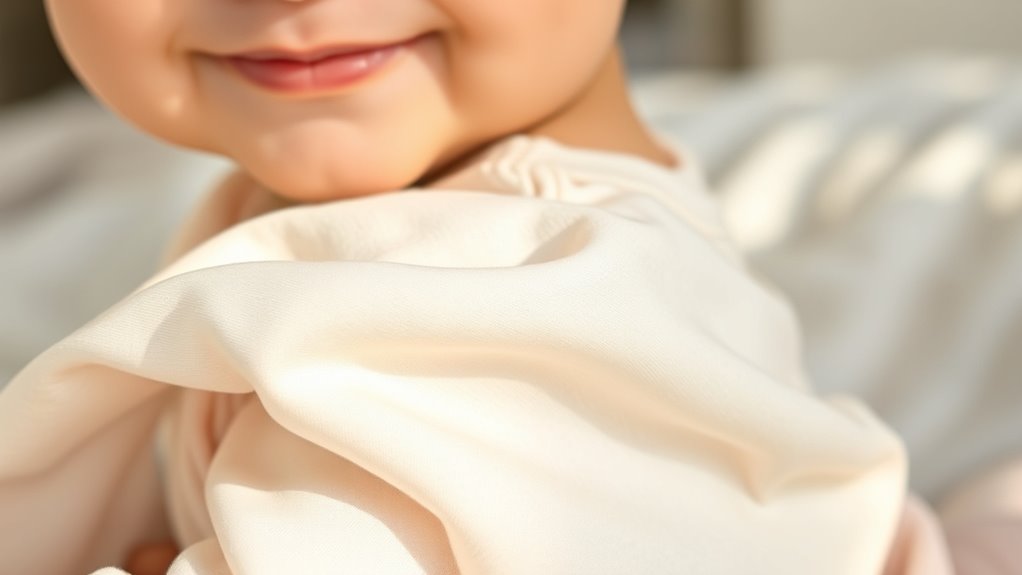
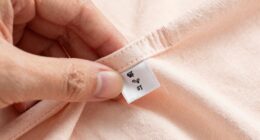
Choosing the right fabrics for your baby’s clothing is essential, especially if your little one has sensitive skin or allergies. You want materials that are gentle, breathable, and free from irritants. Organic fibers are a great choice because they’re grown without the use of pesticides or synthetic fertilizers, reducing the risk of skin reactions. These fibers, like organic cotton, hemp, or bamboo, are naturally soft and hypoallergenic, making them ideal for babies with delicate skin. When shopping for baby clothes, look for labels that specify the fabric is organic, as this indicates the textile was produced with minimal chemical intervention.
Choose organic, hypoallergenic fabrics like cotton, hemp, or bamboo for your baby’s delicate skin.
Chemical free textiles go hand in hand with organic fibers. They are produced without the use of harmful dyes, bleaches, or finishing chemicals that can cause skin irritation or allergic reactions. Many conventional fabrics are treated with chemicals to make them more durable or stain-resistant, but these residues can linger on the fabric and irritate sensitive skin. Choosing chemical free textiles ensures your baby’s clothes are as pure and safe as possible. These textiles are often certified by organizations like GOTS (Global Organic Textile Standard), which verify that the fabric is free from harmful substances and produced under environmentally responsible conditions.
When selecting hypoallergenic fabrics that beat traditional cotton, consider those made from organic fibers combined with chemical free processes. For example, organic bamboo fabric is naturally antimicrobial, breathable, and incredibly soft, making it perfect for babies prone to allergies. Organic hemp is another excellent option because it’s naturally resistant to pests and doesn’t require chemical pesticides or fertilizers. Plus, hemp fibers are strong, durable, and become softer with each wash, ensuring your baby’s clothes last longer and stay comfortable.
You should also pay attention to the dyeing process. Opt for clothes colored with natural, plant-based dyes or those certified as dye-free or low-impact. This reduces the chance of allergic reactions caused by synthetic dyes and chemicals. Prioritizing these fabrics not only benefits your baby’s skin but also supports eco-friendly and sustainable manufacturing practices.
In the end, investing in high-quality organic fibers and chemical free textiles provides peace of mind. Your baby will be dressed in clothes that are gentle, safe, and less likely to cause irritation. These fabrics are a smarter choice for sensitive skin and allergies, offering a healthier, more natural alternative to conventional cotton. By making mindful choices, you protect your little one’s delicate skin while supporting environmentally responsible production methods. Incorporating organic fabrics into your baby’s wardrobe ensures both safety and sustainability for your family and the planet.
Top picks for "hypoallergenic fabric baby"
Open Amazon search results for this keyword.
As an affiliate, we earn on qualifying purchases.
Frequently Asked Questions
Are Hypoallergenic Fabrics More Expensive Than Cotton?
You might wonder if hypoallergenic fabrics cost more than cotton. Generally, these fabrics have a higher cost comparison due to advanced processing and materials used. They often offer better fabric durability and skin safety, making them a worthwhile investment. While they may be pricier upfront, their long-lasting quality and hypoallergenic benefits can save you money over time, providing peace of mind for your baby’s sensitive skin.
How Do Hypoallergenic Fabrics Affect Baby’S Skin Development?
Think of your baby’s skin like a delicate garden that needs gentle care. Hypoallergenic fabrics reduce irritation, helping your baby’s skin sensitivity and immune response flourish. I once saw a baby thrive in soft, natural fabrics, avoiding rashes and discomfort. These fabrics minimize allergens, supporting healthy skin development, and offer peace of mind for parents. Choosing hypoallergenic materials guarantees your baby’s skin remains protected and resilient as they grow.
Can Hypoallergenic Fabrics Be Washed With Regular Detergents?
You might wonder if hypoallergenic fabrics can be washed with regular detergents. Generally, these fabrics are compatible with standard detergents, but it’s best to check the washing instructions on the label. Use a gentle, hypoallergenic detergent if possible to maintain fabric qualities and avoid irritation. Always follow the recommended water temperature and cycle to ensure thorough cleaning without damaging the fabric’s hypoallergenic properties.
Are There Any Environmental Impacts of Hypoallergenic Fabrics?
Imagine your choices weaving a greener future. Environmental impacts of hypoallergenic fabrics vary; some are crafted through sustainable production methods and hold eco-friendly certifications, reducing pollution and conserving resources. Others may involve chemical treatments or less eco-conscious processes, which harm ecosystems. By choosing hypoallergenic fabrics with clear certifications, you support environmentally responsible practices, helping protect your baby’s world and promoting a healthier planet for generations to come.
How Long Do Hypoallergenic Fabrics Typically Last?
You might wonder how long hypoallergenic fabrics last. Their fabric durability depends on the material and how often you clean them. Generally, these fabrics can last for several years if you follow proper care instructions. Regular cleaning can wear down fibers over time, so it’s best to wash them gently and avoid harsh chemicals. With good maintenance, hypoallergenic fabrics can keep your baby’s clothes comfortable and safe for a long time.
Conclusion
Choosing hypoallergenic fabrics for your baby’s clothing is like wrapping them in a gentle, protective cloud—softer, safer, and free from irritation. As you seek the best for your little one, remember that these fabrics are not just materials but guardians of comfort and health. By embracing alternatives that beat cotton, you’re painting a brighter, healthier future for your baby—where every cuddle feels like a soothing breeze and every touch whispers safety.