Many beginners overlook the importance of choosing the right ink, properly curing, and testing on scraps before printing on the final fabric. Using low-quality inks or rushing the curing process can cause designs to crack, peel, or fade after a few washes. Proper preparation and testing help guarantee your prints are durable and vibrant. Skip these steps, and your designs may not last. Keep exploring how to master these essentials for better results.
Key Takeaways
- Beginners often overlook proper fabric preparation and testing to ensure ink adhesion and color accuracy.
- Rushing the curing process can lead to cracking, peeling, and reduced durability of the print.
- Choosing the wrong ink type for the fabric can compromise longevity and flexibility.
- Inadequate understanding of curing temperature and time can weaken ink bonding.
- Skipping sample testing on scrap fabric may result in unexpected issues during final production.
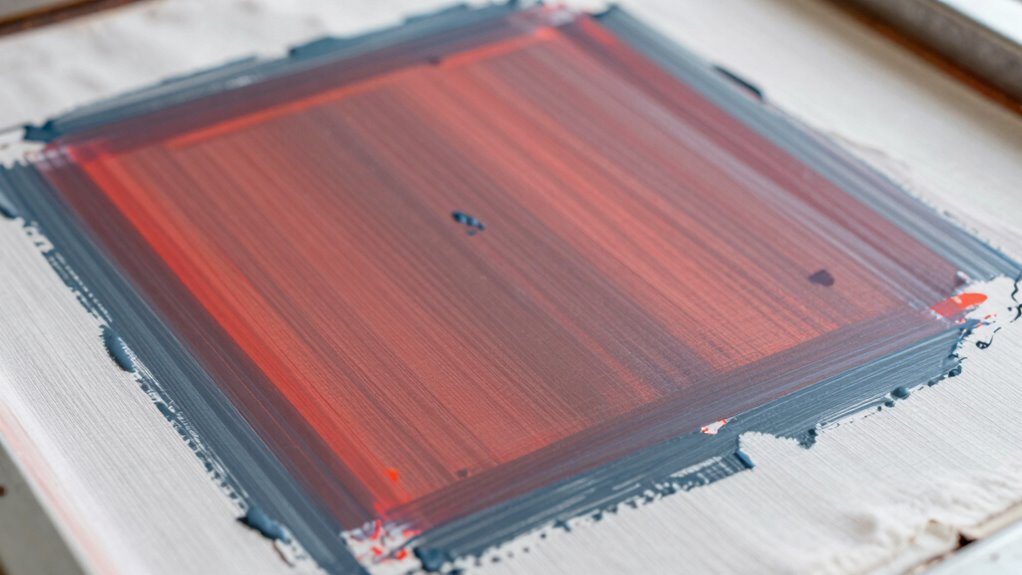
Another aspect often missed by beginners is ink durability. It’s tempting to rush through the printing process, but using high-quality inks and maintaining your equipment properly is vital for long-lasting results. A design that looks vibrant right after printing can fade or crack after just a few washes if you haven’t chosen the right ink or haven’t cured it correctly. Ink durability depends on factors like the type of ink you use—plastisol, water-based, or other specialty inks—and how well you cure the print. Proper curing involves applying the right amount of heat for the right duration, which guarantees the ink bonds effectively with the fabric fibers. Skipping or rushing this step can lead to peeling or cracking over time. Keep in mind that some inks are more flexible and resistant to cracking, which is especially important if you’re printing on garments that will be stretched or worn frequently. Investing in good inks and understanding the curing process might seem tedious initially, but it guarantees your designs stay vibrant and intact wash after wash. Additionally, understanding ink adhesion and how it interacts with different fabrics can significantly improve your results. A thorough understanding of fabric compatibility can help you select the best ink for each project, thereby enhancing durability. Furthermore, proper preparation and testing are crucial steps often overlooked by beginners to achieve consistent quality. Conducting sample testing on scrap fabric allows you to identify issues such as improper ink adhesion or color inconsistencies before printing your final batch. proper preparation and testing save you time and material costs in the long run, and they help you develop a more consistent technique. Overall, understanding color mixing and prioritizing ink durability are key to elevating your screen printing game. Pay attention to these details, and your fabric prints will look more professional, vibrant, and long-lasting.

Speedball Fabric Screen Printing Ink Starter Set, 6-Colors, 4 Fl Oz for T-Shirt and Silkscreen Printmaking
VIBRANT EASY MIXING COLORS – Includes 6 must-have colors for your next print project. Use as-is or mix…
As an affiliate, we earn on qualifying purchases.
As an affiliate, we earn on qualifying purchases.
Frequently Asked Questions
How Do I Choose the Best Fabric for Screen Printing?
You should choose a fabric like cotton or polyester blends, as they’re ideal for screen printing because of their smooth surface and durability. Consider fabric types that work well with your ink compatibility—solvent or water-based inks. Test small samples first to guarantee the ink adheres properly and colors stay vibrant. By selecting the right fabric and matching it with compatible ink, you’ll achieve professional-looking results.
What Are Common Mistakes to Avoid During Setup?
To avoid mistakes during setup, focus on proper screen preparation and equipment calibration. Double-check that your screen is clean and correctly tensioned, ensuring sharp, clear prints. Calibrate your printing equipment to match your design and fabric type, preventing misalignments or blurs. Avoid rushing through these steps; instead, take the time to prepare your materials thoroughly and calibrate your equipment precisely, setting a solid foundation for successful screen printing.
How Long Does a Typical Screen Print Last?
A typical screen print lasts quite a while if you use high-quality ink designed for durability. With proper care, your print can stay vibrant for years, maintaining its ink durability and fabric longevity. Avoid harsh washing conditions like hot water or bleach, which can cause fading or cracking. Proper curing and washing inside out also help extend the life of your design, ensuring your print remains bold and intact over time.
Can I Use DIY Methods for Multi-Color Designs?
Yes, you can use DIY techniques for multi-color layering, but it’s like building a vibrant mosaic—each piece must fit perfectly. You’ll need to carefully align each screen, let each layer dry completely, and plan your color placement in advance. Patience is key, as rushing can cause smudging or misregistration. With practice, your multi-color designs will become more precise, turning your creative vision into a stunning fabric masterpiece.
What Safety Precautions Should I Take While Screen Printing?
You should always wear protective gear like gloves and masks to avoid skin contact and inhaling fumes. Make sure your workspace has good ventilation to prevent acrylic inks and chemicals from building up. Keep your area clean and avoid eating or drinking nearby. Follow all safety instructions on product labels, and wash your hands thoroughly after printing. Prioritizing ventilation safety and protective gear helps keep you safe during the screen printing process.
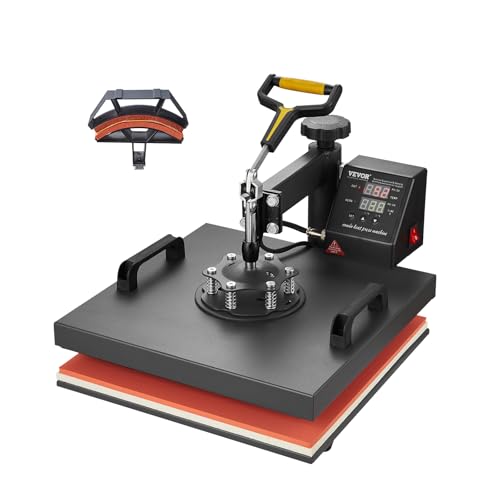
VEVOR 2 in 1 Heat Press Machine for T Shirts and Hats, 15×15 Inch Professional Swing Away Digital Tshirt Press Machine for Sublimation, Vinyl, Heat Transfer Projects
🔥2 in 1 Heat Press: The two large heating pads, 15×15 inch flat platen and 6×3 inch curved…
As an affiliate, we earn on qualifying purchases.
As an affiliate, we earn on qualifying purchases.
Conclusion
So, as you start your screen printing journey, remember that even beginners often overlook essential steps, but practice makes perfect. Did you know that 70% of new crafters improve their results considerably after just a few tries? Keep experimenting, stay patient, and don’t get discouraged by initial mistakes. With time, you’ll master the craft and create stunning fabric designs that truly stand out. Happy printing!

Speedball Fabric Screen Printing Ink, 8-Ounce, White for T-Shirt and Silkscreen Printmaking
Offers artists vibrant colors, great coverage, and consistent workability every time
As an affiliate, we earn on qualifying purchases.
As an affiliate, we earn on qualifying purchases.

Angel Competition Fabric Test Samples – Shades of Green Fabric Swatches with Tape Measure and Gem Samples for Competition Bikini Suit Selection
Find Your Tone: Explore vibrant shades of green with this curated set of fabric samples for custom competition…
As an affiliate, we earn on qualifying purchases.
As an affiliate, we earn on qualifying purchases.