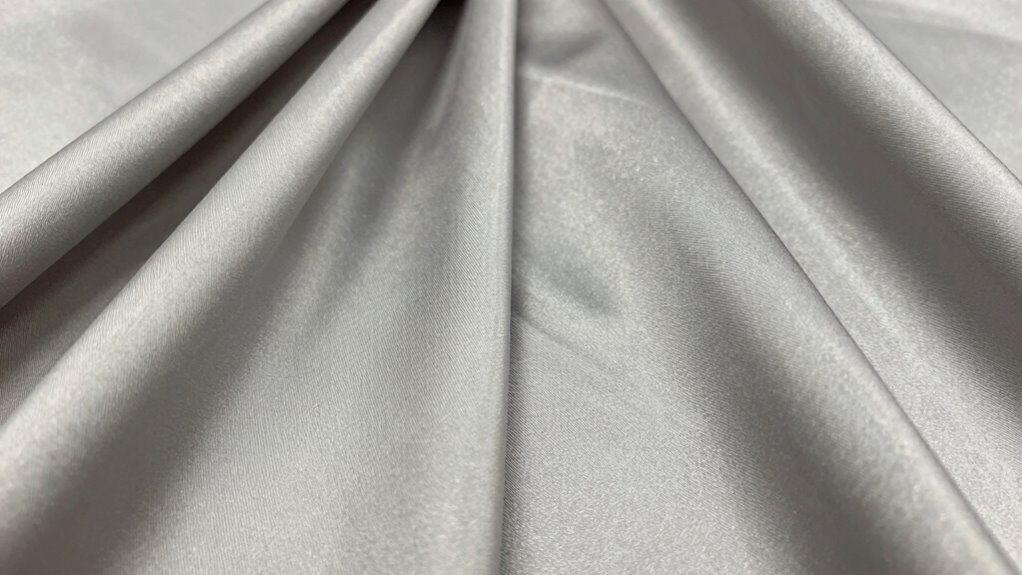

If you’re choosing between viscose and modal, you’ll find that modal feels softer and more luxurious against your skin, with a plush texture that’s more durable over time. Viscose is silky but tends to wrinkle and wear out faster. Modal is also more eco-friendly, making it a better long-term option. To understand why many prefer modal’s feel and sustainability, keep exploring the details that set these fabrics apart.

Get your wardrobe favorites delivered free with Prime
- Fast, free delivery on millions of items
- Prime Video, Amazon Music and more included
- Member-only deals all year
Key Takeaways
- Modal feels softer and more plush than viscose, offering a more luxurious touch against the skin.
- Viscose has a silky, smooth texture but can feel slightly less substantial than modal.
- Both fabrics are comfortable, but modal’s higher durability maintains its soft feel longer.
- Viscose’s delicate nature makes it less ideal for everyday wear compared to the more resilient modal.
- Overall, modal provides a better, longer-lasting soft feel due to its enhanced manufacturing process.
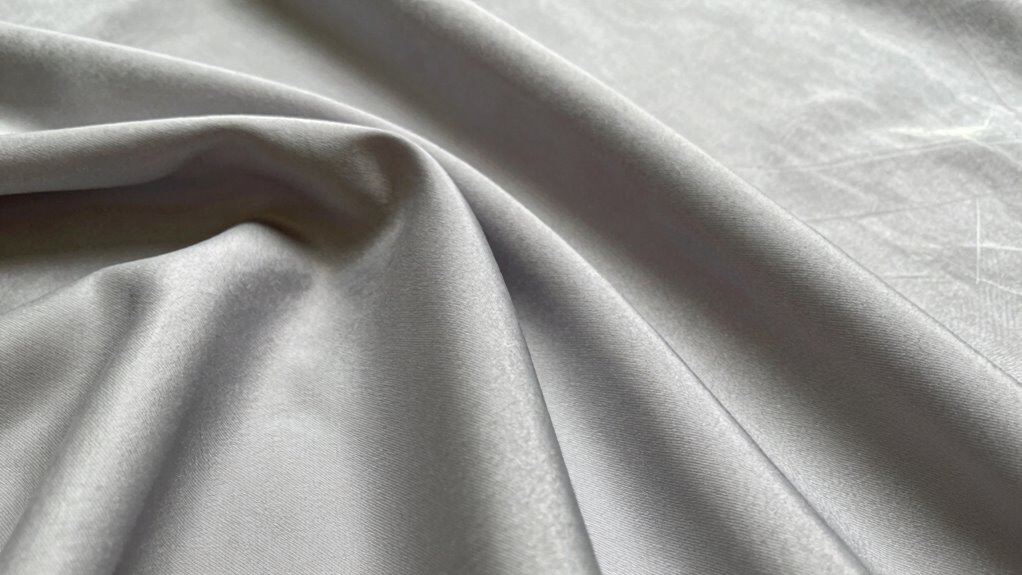
When choosing between viscose and modal, understanding their differences can help you make an informed decision. Both fabrics are popular choices for clothing and textiles, but they vary in feel, sustainability impact, and durability. Knowing these distinctions allows you to select the fabric that best suits your needs and values. Viscose often has a silky, smooth texture that feels soft against your skin. It drapes beautifully and adds a luxurious touch to garments. However, its fabric durability is somewhat lower; it tends to wrinkle easily and can be prone to shrinking or stretching over time. This means you might need to handle viscose garments with care and expect some wear and tear after multiple washes. Furthermore, viscose’s production process is a concern. It requires the use of chemicals like carbon disulfide, which can be harmful to the environment if not managed responsibly. While some manufacturers are shifting toward more eco-friendly methods, traditional viscose still carries a significant environmental footprint. Environmental impact is an important consideration when choosing fabrics, especially for those aiming to reduce their ecological footprint. Additionally, the manufacturing process for viscose can generate chemical waste that needs proper treatment to prevent environmental contamination. The chemical-intensive nature of viscose production also contributes to its environmental concerns, making it a less sustainable choice overall. Moreover, the availability of eco-friendly viscose options is growing as producers seek to minimize environmental harm. Modal, on the other hand, is also made from regenerated cellulose fibers, but it undergoes a more refined manufacturing process. This results in a fabric that feels incredibly soft, often even softer than viscose, and has a slightly more substantial, plush texture. When it comes to fabric durability, modal outperforms viscose. It resists shrinking, stretching, and pilling better, which means your garments will maintain their appearance longer with proper care. In terms of environmental perspective, modal generally has a lower sustainability impact compared to viscose. Its production process is more controlled, and it often uses less water and fewer chemicals. Many manufacturers also source modal from sustainable forests, further reducing its environmental footprint. Because of its durability and eco-friendliness, modal is often considered a more sustainable and longer-lasting option, especially if you’re looking for clothing that holds up over time and aligns with sustainable practices. Additionally, manufacturing processes for modal tend to be more environmentally conscious, making it a better choice for eco-aware consumers.
As an affiliate, we earn on qualifying purchases.
Frequently Asked Questions
How Do Viscose and Modal Compare in Environmental Impact?
Viscose and modal differ in environmental impact mainly due to their manufacturing processes. Modal is generally more sustainable because it’s produced using closed-loop systems that recycle chemicals, reducing waste and pollution. Viscose, on the other hand, often involves less eco-friendly manufacturing, releasing more pollutants. If environmental sustainability matters to you, choosing modal supports better practices, although both fibers still have room for improvement compared to organic or recycled options.
Are Viscose and Modal Suitable for Sensitive Skin?
You might find viscose and modal suitable for sensitive skin, but beware—they can sometimes cause fabric irritation. Both fabrics are soft and breathable, yet their chemical processing can trigger reactions in delicate skin. You’ll want to test a small patch first or opt for brands that use eco-friendly, hypoallergenic treatments. Keep an eye out for natural alternatives if fabric irritation becomes an issue—your skin deserves the best care.
Which Fabric Is More Durable Over Multiple Washes?
Modal is more durable over multiple washes because its fabric texture is stronger and holds up better, resisting pilling and tearing. It also maintains color retention longer, so your clothes stay vibrant after many washes. Viscose, on the other hand, tends to weaken and fade more quickly, especially with frequent laundering. If durability is your priority, modal is the better choice for long-lasting wear and consistent color.
Can Viscose or Modal Be Blended With Other Fibers Effectively?
Imagine weaving a tapestry of endless possibilities—that’s what fabric blending offers. Both viscose and modal blend effectively with other fibers, enhancing textile versatility. You can mix them with cotton, wool, or synthetic fibers to create fabrics that are stronger, softer, or more breathable. This blending process allows you to tailor textiles for specific needs, making your garments more durable, comfortable, and stylish—perfect for any fashion or functional purpose.
How Do Care Instructions Differ Between Viscose and Modal?
You should know that care instructions differ for viscose and modal, especially regarding fabric texture and color retention. Viscose is delicate, so you’ll want to hand wash or use a gentle cycle, avoiding high heat to prevent shrinking or damage. Modal is more durable, so it can often be machine washed and tumble dried on low. Both fabrics need to be washed inside out to maintain color vibrancy and softness.
Conclusion
When choosing between viscose and modal, consider how each fabric feels against your skin and your preference for durability. Imagine you’re shopping for a comfortable, eco-friendly shirt—modal’s softness and resistance make it ideal. For instance, Jane switched to modal for her everyday wear and noticed it stayed softer longer. Ultimately, try both to see which feels better for you; your comfort is worth the small effort.
Halloween Picks
halloween
As an affiliate, we earn on qualifying purchases.