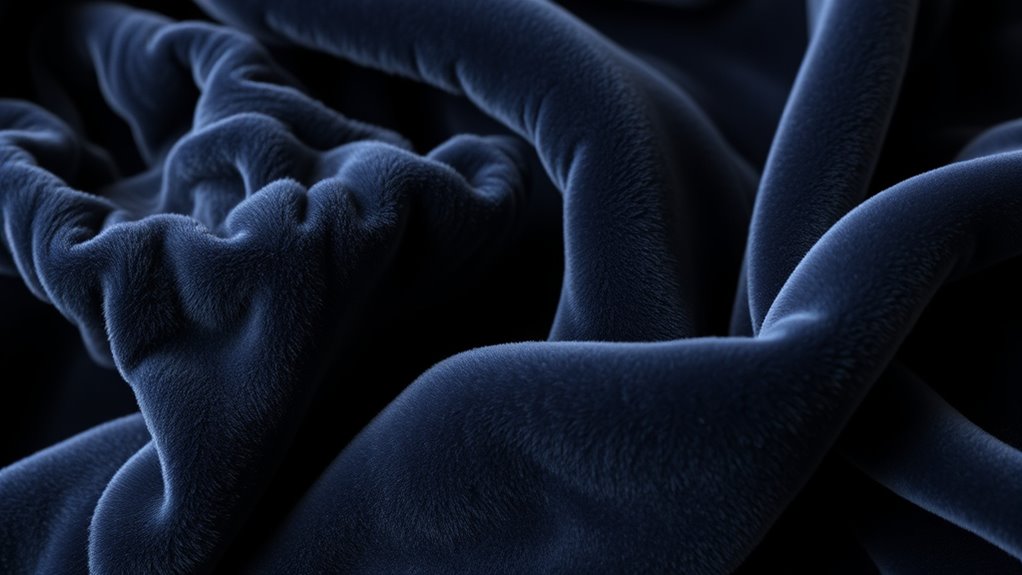

Velvet fabrics come in various styles like crushed, panne, and stretch velvet, each offering unique textures and visual effects. Crushed velvet has a textured, uneven surface that catches light beautifully, while panne velvet creates a smooth, shiny appearance by stretching or pressing during manufacturing. Stretch velvet incorporates elastic fibers for flexibility and comfort. Understanding these variations helps you choose the right fabric for your project, and if you keep exploring, you’ll discover even more about their rich history and craftsmanship.
Key Takeaways
- Crushed velvet is textured through pressing or twisting to create an uneven, reflective surface.
- Panne velvet is stretched or pressed to produce a smooth, shiny, and reflective finish.
- Stretch velvet incorporates elastic fibers like spandex for flexibility and comfort.
- Modern velvet types use synthetic fibers and innovative techniques to expand texture and application options.
- These variations combine traditional craftsmanship with contemporary innovation for diverse styles and uses.
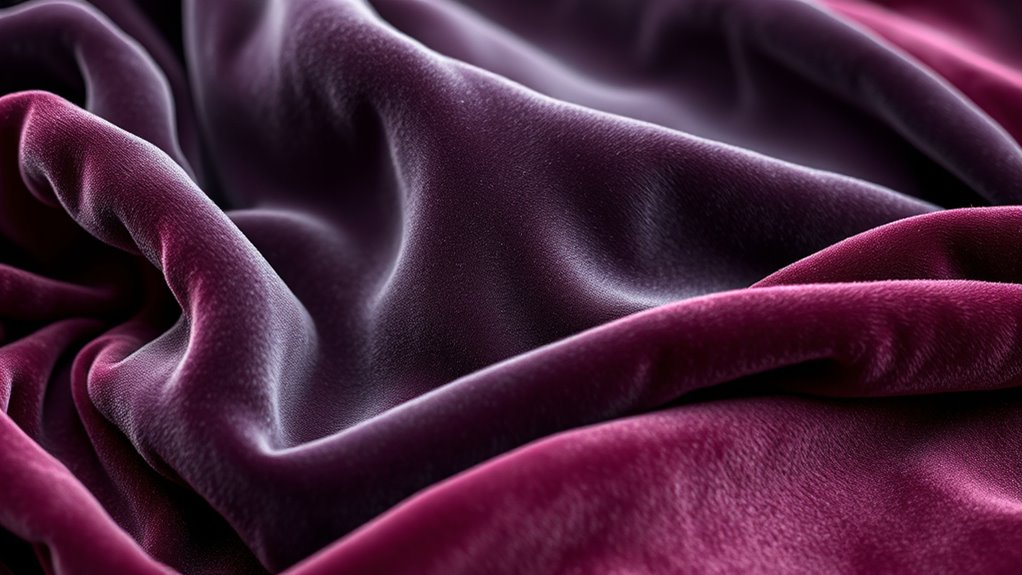
Have you ever wondered what makes velvet fabrics so luxurious and timeless? The answer lies in their fascinating history evolution and intricate textile manufacturing process. Velvet has been treasured for centuries, dating back to ancient civilizations like Egypt, where it was reserved for royalty and nobility. Over time, its popularity spread across Europe during the Middle Ages, becoming a symbol of wealth and status. The history evolution of velvet showcases a rich blend of craftsmanship and cultural significance, with each era adding new techniques and styles. During the Renaissance, velvet’s production became more refined, and innovations in textile manufacturing allowed for finer, more lustrous fabrics. The Industrial Revolution further revolutionized velvet creation by introducing mechanized looms, which increased production efficiency and made velvet more accessible beyond the elite classes. Today, textile manufacturing continues to evolve, blending traditional handcrafting techniques with modern machinery to produce a variety of velvet types that cater to contemporary tastes.
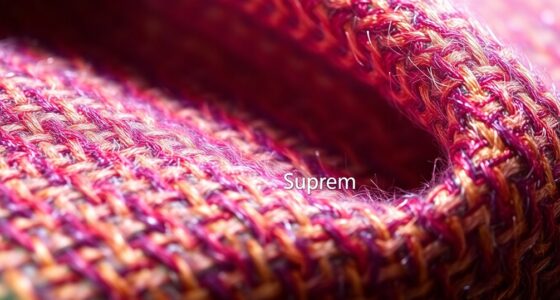
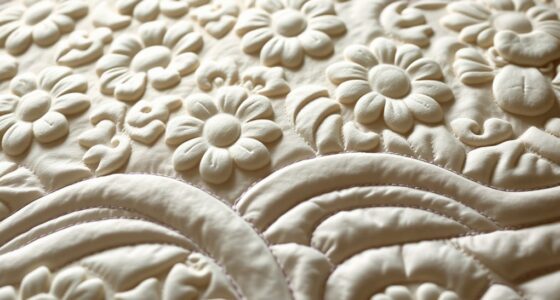
When it comes to textile manufacturing, velvet is particularly notable for its unique construction. Originally, velvet was woven using a complex loom that created a dense pile of cut or uncut loops, giving it that distinctive soft and plush feel. The process involves weaving two layers of fabric simultaneously and then cutting or brushing the pile to achieve the desired surface texture. This labor-intensive craftsmanship contributed to velvet’s reputation as a luxury fabric, often reserved for special garments and decor. Modern textile manufacturing has introduced advancements like synthetic fibers and innovative finishing techniques, making velvet more affordable and versatile. For example, crushed velvet is created by pressing or twisting the fabric to produce a textured, uneven surface that catches light beautifully. Panne velvet involves stretching or pressing the fabric during manufacturing to create a smooth, shiny surface with a reflective quality. Stretch velvet, on the other hand, incorporates elastic fibers like spandex, offering flexibility and comfort without sacrificing the luxurious appearance. These developments in textile manufacturing allow designers and consumers to experiment with different textures, finishes, and applications, broadening velvet’s appeal beyond traditional uses. Additionally, understanding the history of velvet helps appreciate its enduring appeal and the craftsmanship behind its various types.
Understanding the history evolution and textile manufacturing of velvet helps you appreciate its enduring allure. Whether it’s the rich, historical roots or the innovative techniques that shape its modern variants, velvet remains a fabric that combines craftsmanship, elegance, and adaptability. From the opulence of Renaissance palaces to contemporary fashion runways, velvet continues to symbolize sophistication. Its various types—crushed, panne, and stretch—highlight how manufacturing innovations can transform a classic fabric into something fresh and exciting. So, next time you touch a piece of velvet, remember the centuries of evolution behind its plush surface and the skillful craftsmanship that continues to keep it a luxurious staple in textiles worldwide.

100% Cotton Muslin Fabric, 63 Inch X 2 Yards (72 Inches) Unbleached Muslin Linen Fabric by The Yard, Premium Medium Weight Muslin Cloth Fabric for Sewing, Embroidery, Crafts, & Apparel Projects
- Size and Package: 63-inch wide, 2 yards long
- High-Quality Material: 100% unbleached cotton, 130gsm
- Natural and Safe: Chemical-free, breathable, natural beige tone
As an affiliate, we earn on qualifying purchases.
Frequently Asked Questions
How Do I Care for Crushed Velvet Without Damaging the Fabric?
To care for crushed velvet without damage, follow these cleaning tips: hand wash with cold water and mild detergent, or opt for dry cleaning when recommended. Avoid wringing or twisting the fabric, as it can distort its texture. Store crushed velvet properly by hanging it in a breathable garment bag or folding it gently with tissue paper to prevent wrinkles and crushing. This helps preserve its luxurious appearance and feel.
Can Stretch Velvet Be Used for Activewear or Only Formal Clothing?
Imagine feeling confident and comfortable—stretch velvet can do that for you. It’s surprisingly durable, making it suitable for activewear, not just formal clothing. While velvet in sportswear adds a touch of elegance, its stretch fabric offers flexibility and resilience for movement. You’ll love how it adapts to your active lifestyle, blending style with practicality. So, yes, stretch velvet’s durability makes it a versatile choice beyond fancy occasions.
What Is the Best Way to Identify High-Quality Panne Velvet?
To identify high-quality panne velvet, check its fabric composition—look for a blend with a high percentage of silk or polyester for durability and rich texture. Examine the surface sheen; high-quality panne velvet has a consistent, deep luster without dull spots. Feel the fabric for softness and smoothness, and inspect the pile for uniformity. These factors indicate a well-made, luxurious panne velvet that will look stunning and last longer.
Are Crushed Velvet Fabrics More Prone to Wear and Tear?
Crushed velvet fabrics are more prone to wear and tear because their textured surface can catch on objects, leading to faster deterioration. You might notice it looks less durable over time, especially with frequent use. To maintain its beauty, handle it gently and follow proper velvet maintenance routines. While it offers a unique look, understanding its fabric durability helps you care for it properly and extend its lifespan.
How Does the Cost of Stretch Velvet Compare to Traditional Velvet?
You’ll find that stretch velvet tends to be more expensive than traditional velvet due to higher production costs and advanced fabric durability. The added elasticity requires specialized manufacturing processes, which drives up the price. While traditional velvet is generally cheaper, stretch velvet offers more flexibility and resilience, making it a worthwhile investment if you need durable, comfortable fabric. Overall, expect to pay a premium for the enhanced qualities of stretch velvet.
Conclusion
Now that you’ve explored crushed, panne, and stretch velvet, you’re ready to pick the perfect fabric for your project. Think of velvet as a chameleon—each type offers a unique personality and texture, transforming your design into a tactile masterpiece. Whether you want a rich, luxurious feel or a stretchy, comfortable fit, velvet’s versatility is like a trusted friend in your creative corner. Immerse yourself and let your fabric choices shine!