
Lace is a delicate textile art with many types, like needle lace, bobbin lace, and machine-made versions. You create it through various techniques, including hand-stitched embroidery and weaving with threads of linen, silk, or cotton. Different styles, such as Venetian or French lace, showcase regional motifs and methods. Modern innovations use technology like CAD for intricate patterns. Explore further to discover the fascinating history and craftsmanship behind each type.

Get your wardrobe favorites delivered free — and shop member deals
- Fast, free delivery on millions of items
- Access to Prime Big Deal Days deals on October 6–7
- Prime Video, Amazon Music and more included
Key Takeaways
- Lace originated in Europe during the late Middle Ages as a luxury hand-made textile symbolizing wealth.
- Common types include needle lace, bobbin lace, and machine-made lace, each with unique techniques and motifs.
- Traditional techniques involve intricate handwork, such as looping, knotting, and stitching, while modern methods use CAD and machinery.
- Materials like linen, silk, cotton, and synthetic fibers influence lace’s appearance, durability, and cost.
- Preservation of traditional craftsmanship alongside technological advances ensures lace remains versatile and culturally significant.
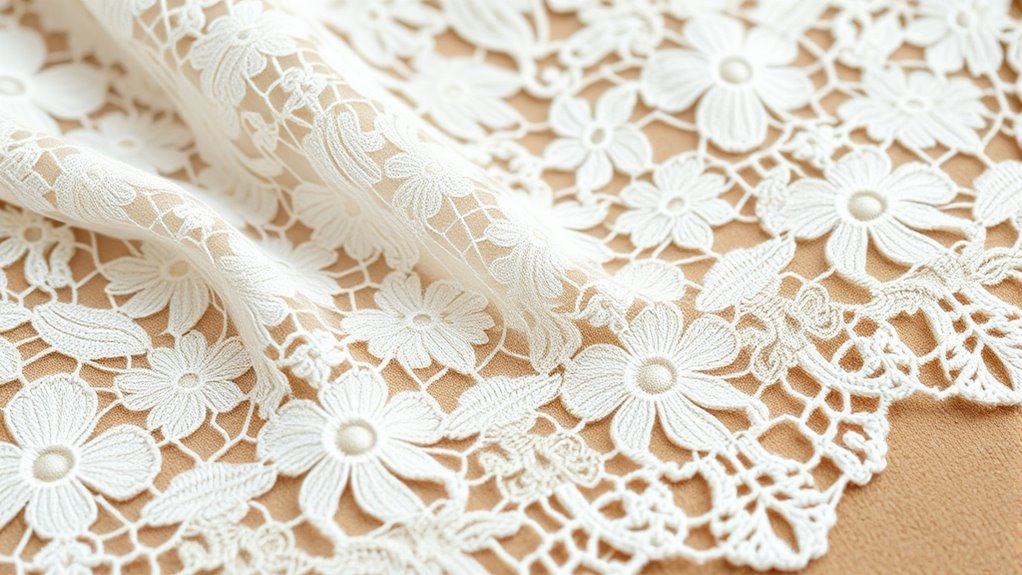
Have you ever wondered what makes lace so delicate and timeless? The answer lies in its fascinating history and the innovative techniques used to create it. The history of lace stretches back hundreds of years, with origins dating to the late Middle Ages in Europe. Originally, lace was a luxury item, handmade by skilled artisans who painstakingly created intricate patterns by looping and knotting fine threads of linen, silk, or cotton. The process was labor-intensive, often requiring dozens of hours for a single piece, which made lace a symbol of wealth and status among nobility and aristocrats. Over the centuries, lace evolved through different styles and regional influences, such as Venetian needle lace and French bobbin lace, each with its distinctive motifs and techniques. As lace gained popularity, it became an essential element of fashion and decoration, adorning everything from royal garments to household linens.
Today, modern lace techniques have transformed how this delicate fabric is produced. While traditional methods like hand-stitched needle lace and bobbin lace still thrive among artisans, technological advances have introduced machine-made lace, making it more accessible and affordable. Modern lace techniques often blend old-world craftsmanship with new technology, allowing for complex patterns to be produced quickly and consistently. For example, computer-aided design (CAD) software enables designers to create intricate patterns that are then replicated by highly precise machines. This innovation has expanded the possibilities of lace design, resulting in more elaborate and diverse styles. Additionally, new materials and fiber blends are used in contemporary lace production, providing increased durability without sacrificing the delicate appearance. You’ll find modern lace in a wide array of fashion items, from haute couture dresses to everyday lingerie, showcasing how the tradition continues to evolve. Understanding the manufacturing process behind lace highlights how both craftsmanship and technology contribute to its enduring beauty.
Despite these advances, many manufacturers still honor traditional craftsmanship, especially for high-end or artisanal lace. They preserve the skills passed down through generations, ensuring that the intricate artistry remains alive. Whether handmade or machine-produced, the essence of lace lies in its intricate patterns and fine craftsmanship, which evoke a sense of elegance and sophistication. Understanding the history of lace gives you an appreciation for its rich cultural roots, while knowing about modern lace techniques highlights how innovation keeps this ancient craft relevant today. The blend of tradition and modernity makes lace a truly versatile fabric, capable of both paying homage to its past and embracing the future. As you explore different types and techniques, you’ll discover that lace isn’t just a fabric; it’s a tribute to human ingenuity and artistic expression that has stood the test of time.
Frequently Asked Questions
How Do I Care for Delicate Lace Fabrics?
To care for delicate lace fabrics, you should handle them gently and avoid harsh cleaning methods. Store lace carefully in a breathable container or padded drawer to prevent snags. When cleaning, opt for hand washing with mild detergent and cold water, avoiding wringing. Always air dry lace flat to maintain its shape. Proper lace storage and gentle lace cleaning guarantee your delicate pieces stay beautiful and intact for years.
Can Lace Be Machine Washed Without Damage?
You can machine wash lace, but it’s risky. To avoid damage, hand washing is best—gently soak your lace in cool water with mild detergent, especially for stain removal. If you must machine wash, use a delicate cycle, place your lace in a mesh bag, and skip the spin. This way, you protect delicate fibers and keep your lace looking beautiful, even after stain removal and cleaning.
What Are Common Mistakes When Working With Lace?
When working with lace, you often make mistakes like pulling or stretching it during sewing lace projects, which can distort the delicate fabric. Avoid rushing or using harsh stitches that can cause damage. For lace repair, be gentle and use fine needles. Also, don’t forget to test your stitches on a scrap first. These common errors can weaken the lace and ruin your beautiful work.
How Do I Choose the Right Lace for My Project?
To choose the right lace for your project, consider the lace pattern and fabric transparency. If you want a delicate, intricate look, opt for a lace with detailed patterns. For a more subtle, sheer effect, select a lace with high transparency. Think about the garment’s purpose and style, and match the lace’s weight and pattern accordingly. Trying samples beforehand helps you see how the lace complements your design.
Are There Eco-Friendly Options for Lace Production?
Your quest for eco-friendly lace options is like searching for a rare gem! Luckily, you can find lace made from sustainable materials like organic cotton, hemp, or bamboo, which are gentle on the planet. Look for brands committed to eco-conscious manufacturing practices, ensuring minimal environmental impact. These options not only help protect the environment but also give your project a beautiful, ethical touch, making your creation truly stand out.
Conclusion
Now that you’ve uncovered the secrets of lace, you’re practically a master magician of delicate threads! With all the types and techniques under your belt, you could turn any fabric into a breathtaking masterpiece. Imagine the envy of everyone when you craft the most intricate, stunning lace creations the world has ever seen—people will think you’ve revealed the secrets of ancient craft gods! Go ahead, make lace magic happen—nothing’s impossible now!
Fall Picks
fall essentials
As an affiliate, we earn on qualifying purchases.