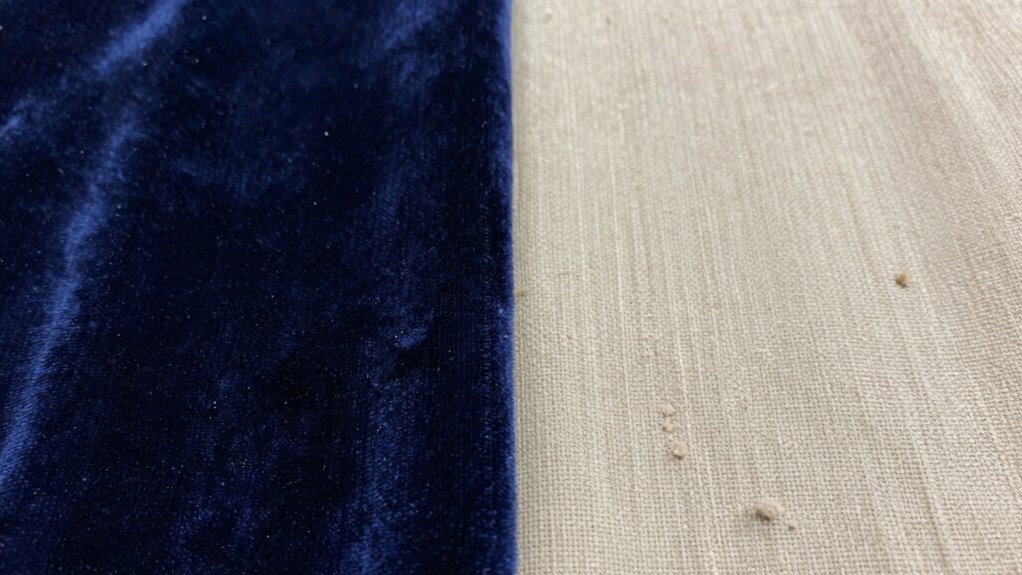
Fabrics pill faster mainly because of their fiber type, weave quality, and finish. Synthetic fibers like polyester and nylon tend to pill more because they are smoother and less tightly spun, while natural fibers like cotton or wool generally resist pilling better. Loosely woven or softer fabrics also loosen fibers more easily, leading to pills. The way fabrics are finished can hide or reveal pills, and proper care helps, but understanding these factors can guide you toward longer-lasting clothes. Keep exploring to learn more details.
Key Takeaways
- Synthetic fibers like polyester and nylon tend to pill more due to their smooth, slippery surfaces.
- Loosely woven or softer fabrics are more prone to fiber loosening and pill formation.
- Fabrics with lower durability and weaker fiber bonds wear down faster, increasing pilling risk.
- Finishes that create a smooth surface can hide pills initially but may pill more quickly over time.
- High-quality, tightly spun, and tightly woven fabrics resist pilling better than lower-quality options.
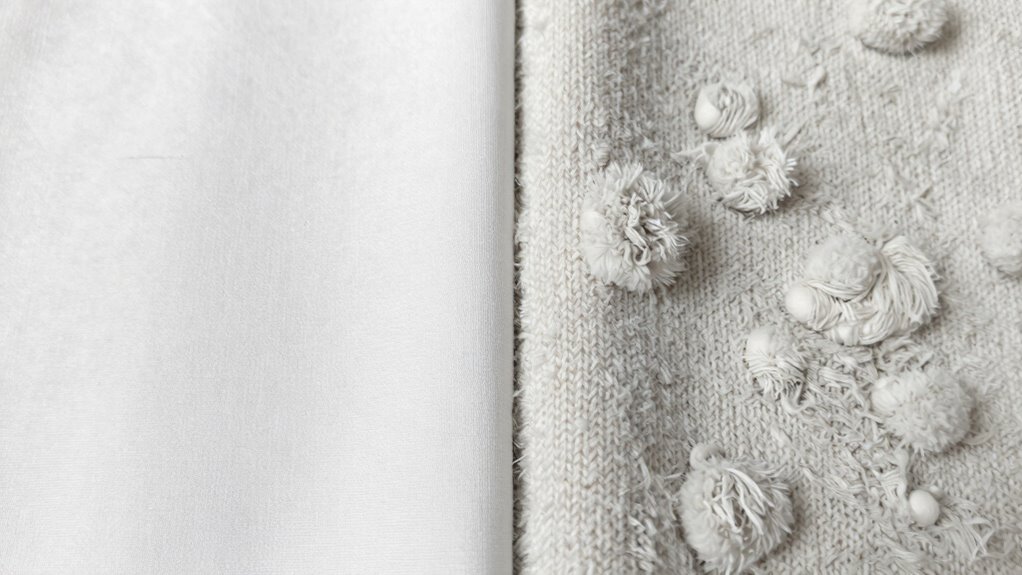
Some fabrics tend to pill faster than others, which can be frustrating when you’re trying to keep your clothing looking fresh. Pilling happens when small fiber balls form on the surface of your clothes, often making them look worn out and untidy. The main reason some fabrics pill more is their inherent fabric durability and fiber composition. Understanding these factors can help you choose garments that resist pilling better and last longer. Additionally, the way fibers are spun and woven can influence their likelihood to pill, highlighting the importance of fiber spinning techniques in fabric quality. Fabric durability plays a significant role in how quickly a fabric pills. Durable fabrics are generally made to withstand wear and tear, so they tend to resist pilling better. Less durable fabrics, on the other hand, wear down more easily, causing fibers to loosen and form pills. When you pick clothing, look for high-quality fabrics that are designed to be resilient. Stronger fabrics often contain tightly woven fibers, which reduce the likelihood of fibers breaking free and forming pills. Conversely, softer, loosely woven fabrics are more prone to pilling because their fibers are less tightly bound, making it easier for pills to develop over time. Fiber composition is another critical factor in pilling. Natural fibers like cotton, wool, or silk tend to pill less than many synthetic fibers, but this isn’t always the case. For example, tightly spun cotton fabrics are less likely to pill because their fibers are more compact. Synthetic fibers, such as polyester or nylon, are more prone to pilling because they’re often smoother and more resistant to breakage, encouraging the formation of pills. Blended fabrics, which combine natural and synthetic fibers, can also be more susceptible to pilling depending on the ratio of each fiber type. When you choose clothing, pay attention to fiber content labels. Fabrics with high polyester or acrylic content tend to pill more, especially if the fibers are not tightly spun or woven. It’s also worth noting that the way a fabric is manufactured influences pilling. Fabrics with a smooth, fine finish might look pristine initially but can pill more quickly as fibers are more easily loosened. Proper fabric construction also plays a role in how prone a fabric is to pilling. The fiber finish can impact how visible pills are, with some finishes better at hiding them. Additionally, certain fabric treatments can help reduce pilling and extend the lifespan of your garments. Furthermore, selecting pilling-resistant fabrics during purchase can significantly reduce the need for maintenance and prolong the appearance of your clothing. Ultimately, your best defense against pilling lies in selecting fabrics with high fabric durability, tightly woven fibers, and appropriate fiber composition. Proper care, like washing in cold water and avoiding excessive friction, also helps preserve your clothing’s appearance. By understanding what makes some fabrics more prone to pilling, you can make smarter choices and extend the lifespan of your wardrobe.

Barcelonetta | Linen Fabric | Natural Linen Cloth | Embroidery, Sewing | Soft, Breathable | 55" Wide | 70% Linen, 30% Rayon | Hemp, Jute, Needlework, Lining (Silver, 2 Yard)
HIGH THREAD COUNT – Indulge in luxury crafting with this premium linen fabric, boasting a higher thread count,…
As an affiliate, we earn on qualifying purchases.
As an affiliate, we earn on qualifying purchases.
Frequently Asked Questions
Can Fabric Treatments Reduce Pilling Over Time?
Yes, fabric treatments like fabric softeners can reduce pilling over time. They help by smoothing fabric fibers, making them less likely to rub against each other and form pills. For better pilling prevention, use fabric softeners during laundry and wash delicate fabrics gently. Regularly treating your clothes with these products can extend their lifespan and keep them looking newer longer, minimizing unsightly pills.
How Does Fabric Weave Influence Pilling?
Imagine you’re a tailor in a bustling 18th-century workshop. Fabric weave considerably influences pilling; a tighter weave reduces fiber movement, making pills less likely. When the weave is dense, it enhances fiber strength and prevents loose fibers from forming pills. Conversely, loose weaves allow fibers to rub against each other more easily, increasing pilling. So, choosing a fabric with a tight weave offers better resistance and longer-lasting wear.
Do Different Dyeing Processes Affect Pilling?
Yes, different dyeing processes can affect pilling. You’ll find that fiber composition plays a role, as some fibers are more prone to pilling than others. Additionally, dye penetration impacts surface texture; deeper dyeing often results in smoother fabrics less prone to pilling, while surface-dyed or less consistent dyeing can cause fibers to loosen and pill more easily. So, the method of dyeing influences how well your fabric resists pilling over time.
Does Washing Temperature Impact Fabric Pilling?
Washing temperature definitely impacts fabric pilling. Hot water can weaken fabric fibers, making them more prone to pilling, while cold water helps preserve fiber integrity. If you want to prevent pilling, opt for gentle washes in colder temperatures. This pilling prevention method keeps fabric fibers intact, reducing the chances of pills forming. So, sticking to lower temperatures during laundry can considerably extend your fabric’s smooth appearance and lifespan.
Are Synthetic Fabrics More Prone to Pilling Than Natural Ones?
Synthetic fabrics are more prone to pilling than natural ones because of their fiber composition. These fibers tend to be smoother and less durable, causing loose fibers to easily form pills during wear and washing. Natural fabrics like cotton or wool typically have better fabric durability, making them less likely to pill. So, if you’re looking to avoid pills, choose fabrics with a fiber composition that promotes longer-lasting durability.

Fabric Shaver, Lint Remover Rechargeable, Electric Portable Sweater Defuzzer with 3 Speeds, 6 Leaf Blades, Digital LED Display to Remove Pilling for Clothes, Furniture, Sweater, Couch, Blanket
【Portable Fabric Shaver】– Special designed for removing fuzz, pills, and lint from sweaters, blankets, curtains, carpets, furniture, couch,…
As an affiliate, we earn on qualifying purchases.
As an affiliate, we earn on qualifying purchases.
Conclusion
So, next time you shop for textiles, remember that some fabrics are just more prone to pilling than others—kind of like how certain legends stick around longer than others. While you can’t always avoid pills, choosing fabrics with tighter weaves or synthetic fibers can help. Think of it as selecting a trusty steed over a fleeting carriage in a world that’s always rushing by; durability often depends on your choice. Keep this in mind, and your wardrobe will thank you.
Kona Cotton Banana, Fabric by the Yard
From Robert Kaufman Fabrics, this 4.35 oz. per square yard 100% Kona cotton broadcloth is perfect for quilting,…
As an affiliate, we earn on qualifying purchases.
As an affiliate, we earn on qualifying purchases.
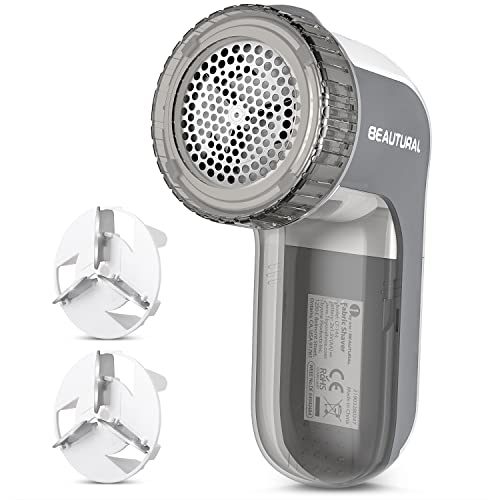
BEAUTURAL Fabric Shaver and Lint Remover, Sweater Defuzzer with 2-Speeds, 2 Replaceable Stainless Steel Blades, Battery Operated, Remove Clothes Fuzz, Lint Balls, Pills, Bobbles Gray
Easily remove lint, fluff, fuzz balls and bobbles from your favorite garments and fabrics
As an affiliate, we earn on qualifying purchases.
As an affiliate, we earn on qualifying purchases.