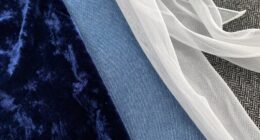
Choosing between cold and warm washes depends on your fabric types. Cold water is best for delicate fabrics like silk, lace, and wool, preventing shrinking, fading, or damage. Warm water works well for sturdy fabrics like towels, bedding, and heavily soiled items, offering better stain removal and deep cleaning. Using the right temperature can extend your clothes’ lifespan and maintain their appearance. Keep exploring to discover more tips for caring for different fabrics effectively.
Key Takeaways
- Delicate fabrics like silk and lace should be washed in cold water to prevent shrinking, fading, or damage.
- Wool and natural fibers also benefit from cold washes to avoid felting and maintain fabric integrity.
- Sturdy fabrics such as towels and bedding can be cleaned effectively in warm water for deeper sanitation.
- Warm water may cause wear and fading over time, so use it selectively based on fabric durability.
- Cold washes preserve fabric quality and extend clothing lifespan, while warm washes are better for removing heavy soils.
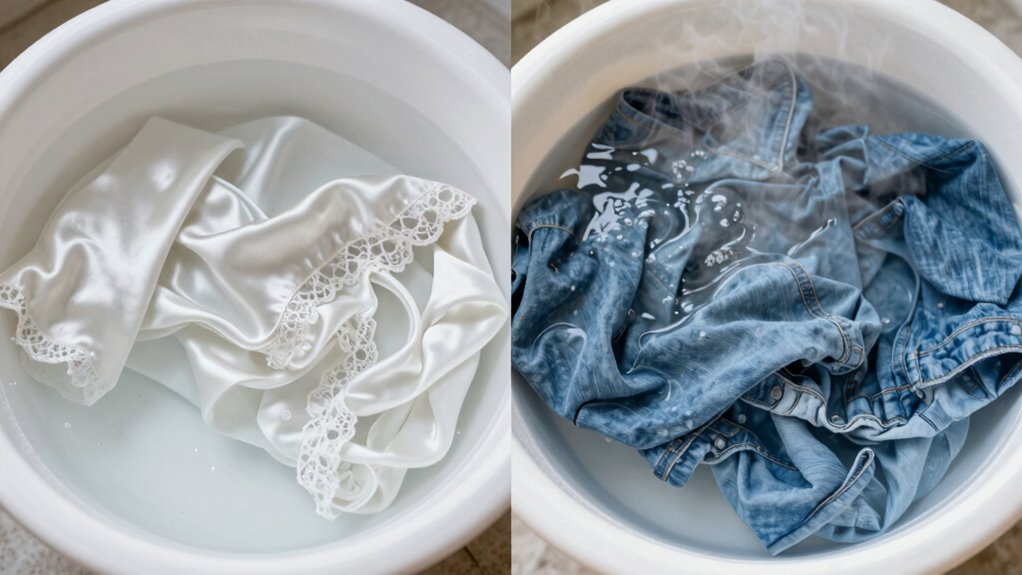
Are you unsure whether to wash your clothes with cold or warm water? It’s a common dilemma, and the choice can impact not only how clean your clothes get but also how much energy you use and how effective your detergent is. When considering detergent effectiveness, washing with warm water often helps break down oils, grease, and dirt more effectively, especially on heavily soiled items. Warm water can activate certain detergents better, making them more efficient at removing stains and grime. However, cold water detergents have improved markedly over the years, designed to work well even without the heat boost. So, if you’re using a high-quality cold water detergent, you might not see much difference in cleaning power.
Energy consumption plays a big role in your decision, too. Warm water cycles typically use more energy because they require heating additional water. If you’re aiming to cut down on energy bills and reduce your carbon footprint, washing in cold water is a smart move. Modern washing machines are built to operate efficiently at lower temperatures, and many detergents are formulated to perform just as well in cold water. For everyday laundry, cold washes save a substantial amount of energy, making them environmentally friendly and cost-effective.
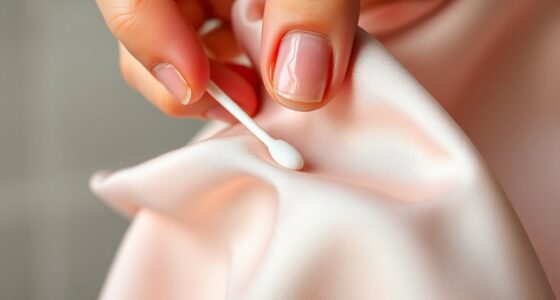
Different fabrics respond better to certain temperatures, and understanding this can help you preserve your clothes longer. Delicate fabrics like silk and lace tend to fare better in cold water, which minimizes the risk of shrinking, fading, or damage caused by heat. Wool and other natural fibers also often benefit from cold washes because heat can cause shrinking or felting. On the other hand, sturdier fabrics like cotton or linens can handle warm or hot water, especially if you want to ensure deep cleaning and kill germs or bacteria. In these cases, warm water can help loosen dirt and oils more effectively, especially on towels and bedding that tend to harbor more bacteria. Additionally, water temperature can influence the longevity of your clothing, so choosing the right setting can help extend their lifespan. Moreover, understanding the fabric type and its response to different temperatures can prevent unnecessary wear and tear over time.
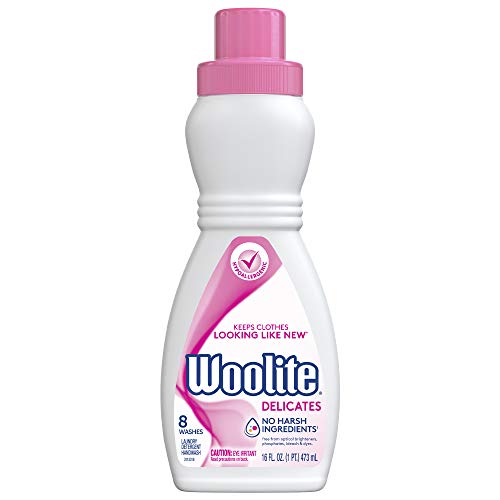
Woolite Delicates Liquid Laundry Detergent for Machine and Hand Wash – Gentle Care for Silk, Wool & Fine Fabrics, 16oz
Protects Delicate Fabrics – Protects silk, wool, and other fine materials from damage while providing a thorough clean
As an affiliate, we earn on qualifying purchases.
As an affiliate, we earn on qualifying purchases.
Frequently Asked Questions
Can Washing Temperature Affect Fabric Shrinkage Over Time?
Yes, washing temperature can affect fabric fiber and cause shrinkage over time. Warm or hot water intensifies the washing effects on fibers, making them more prone to shrinking, especially natural fabrics like cotton or wool. Cold water is gentler, helping maintain the original size and shape of your clothes. Always check care labels and choose the appropriate temperature to prevent unwanted shrinkage and preserve your garments’ longevity.
Is Cold Washing More Energy-Efficient Than Warm Washing?
Like a knight in shining armor, cold washing saves your energy and protects the environment. It’s more energy-efficient than warm washing because it uses less electricity, leading to energy savings and a smaller environmental impact. Plus, cold water reduces fabric wear and color fading. So, if you want to be eco-friendly and keep your clothes in good shape, choosing cold water is a smart, sustainable choice.
How Does Water Temperature Impact Dye Fading in Fabrics?
Using cold water helps preserve dye retention and keeps colors vibrant longer, while warm water can accelerate dye fading. When you wash fabrics in cold water, you reduce the risk of color bleeding and fading, maintaining better color preservation. Warm water may loosen dirt more effectively but can cause colors to dull over time. For delicate or brightly colored fabrics, cold washes are generally better for maintaining their original hue.
Are There Fabrics That Require Specific Washing Temperatures?
You should treat delicate fabrics like silk and wool with kid gloves—warm water might turn them into shrunken, sad versions of themselves. For sturdy cotton or linen, warm or hot washes fight stains better and clean fabric texture more thoroughly. Always check care labels; ignoring them is like trying to wash a puffer fish with a blow-dryer—destined for disaster. Specific temperatures help preserve fabric integrity and optimize stain removal.
Does Washing Temperature Influence the Longevity of Elastic Fibers?
Washing temperature definitely affects the elasticity of fabrics and the durability of elastic fibers. Cold washes help preserve fabric elasticity and keep elastic fibers from breaking down over time. Warm water, while effective at cleaning, can weaken elastic fibers faster, reducing their elasticity and overall fabric durability. To extend your elastic’s lifespan, opt for cold water washes, especially for stretchy garments, to maintain their shape and elasticity longer.

TASALON White Hot Towel Steamer for Facials, 5-Min Quick Heating Towel Warmer Machine, Portable Spa Salon Equipment with Aromatherapy for Massage
Quick Heating Hot Towel Steamer – Heats towels in just 5 minutes, providing hot, moist towels for facials,…
As an affiliate, we earn on qualifying purchases.
As an affiliate, we earn on qualifying purchases.
Conclusion
So, next time you’re faced with the eternal laundry dilemma, remember: cold washes are the superheroes for delicate fabrics, saving colors and energy. Warm washes, on the other hand, are like the tough guys, perfect for stubborn stains and heavy-duty loads. Just don’t expect them to be gentle. Choose wisely, and your wardrobe will thank you—unless you enjoy playing laundry roulette with your clothes’ lifespan. Happy washing—your fabrics’ future depends on it!

BLACK+DECKER 4.5 Cu. Ft. Front Load Washer, Full Size Washing Machine with 12 Cycles, ENERGY STAR certified Washer Machine, Hot & Cold Inlet Hoses, LED Display, 120V, BFLW45M, White
Spacious Capacity: The 4.5 cu. ft. capacity of this washer machine provides ample space for large laundry loads,…
As an affiliate, we earn on qualifying purchases.
As an affiliate, we earn on qualifying purchases.
Woolite Delicates Liquid Laundry Detergent for Machine and Hand Wash – Gentle Care for Silk, Wool & Fine Fabrics, 16oz
Protects Delicate Fabrics – Protects silk, wool, and other fine materials from damage while providing a thorough clean
As an affiliate, we earn on qualifying purchases.
As an affiliate, we earn on qualifying purchases.