
Poplin fabric is a popular, tightly woven material usually made from cotton or blends, known for its durability and smooth, crisp surface. It feels comfortable against your skin and has a polished look, making it perfect for shirts, dresses, and uniforms. Its high thread count and tight weave provide strength, resistance to tearing, and some water resistance. If you want to learn more about what makes poplin special and how to use it, keep exploring these details.
Key Takeaways
- Poplin is a tightly woven fabric, usually made from cotton or blends, with a smooth, crisp surface.
- It offers a balance of durability and softness, making it suitable for everyday clothing.
- Higher thread counts create a finer, more durable, and polished fabric, but may reduce breathability.
- The tight weave pattern enhances resistance to tearing, pilling, water, and weather conditions.
- Commonly used for shirts, uniforms, and upholstery due to its resilience and professional appearance.
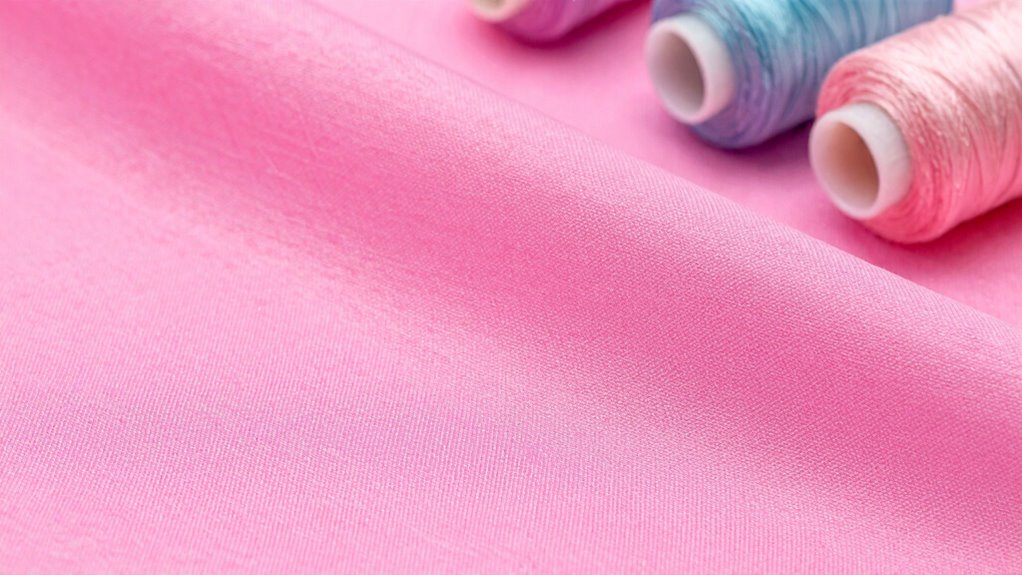
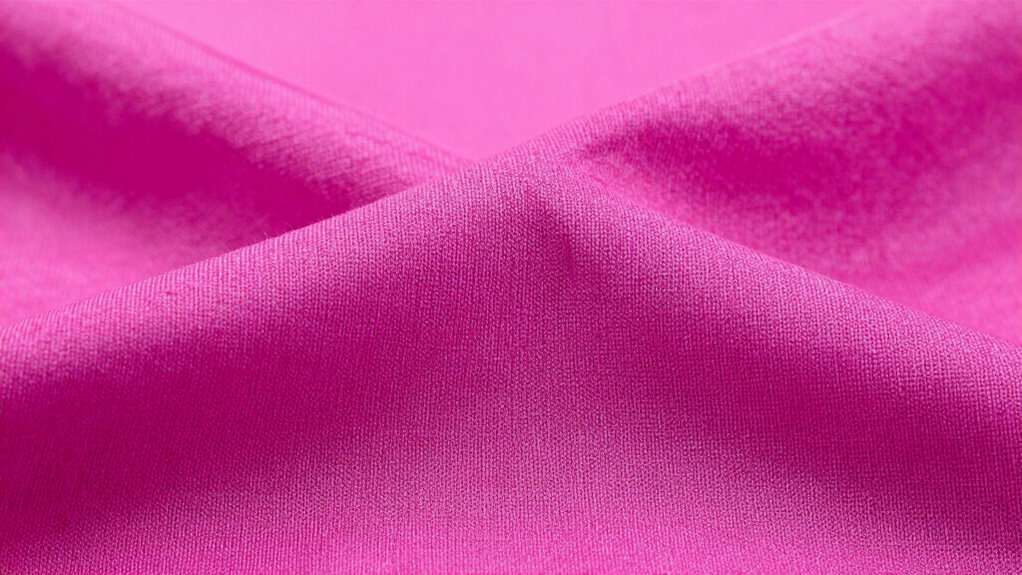
If you’re new to fabrics, poplin might seem confusing at first, but once you understand its key features, you’ll see why it’s so popular. Poplin is a tightly woven fabric, typically made from cotton, although blends are common. Its defining characteristic is a smooth, crisp surface that feels comfortable against the skin. One of the essential aspects to grasp about poplin is its thread count. Thread count refers to the number of threads woven into one square inch of fabric, and with poplin, a higher thread count usually means a finer, more durable fabric. A typical poplin features a thread count ranging from 100 to 200, which balances durability with a soft, lightweight feel. The higher the thread count, the more tightly woven the fabric is, increasing its strength and longevity. This tight weave makes poplin resistant to tearing and pilling, qualities that contribute to its reputation for fabric durability.
Because of its durable nature, poplin is ideal for clothing that needs to withstand regular wear and washing. Whether you’re making shirts, dresses, or even upholstery, the fabric’s resilience ensures it maintains its shape and appearance over time. You’ll find that the fabric’s durability is one reason it’s a favorite for uniforms or workwear, as it can handle frequent laundering without losing its crispness or strength. Additionally, the tight weave not only enhances durability but also lends a certain smoothness and sheen to the fabric, giving it a polished look. This makes poplin suitable for professional, sleek clothing that maintains its crisp appearance after multiple washes. Understanding the importance of fabric construction can help you better appreciate how poplin maintains its qualities. Knowing about weaving patterns and their influence on fabric strength can also guide you in selecting the right material.
Furthermore, the weaving pattern used in poplin contributes significantly to its strength and appearance, making it a versatile choice across different applications. Its tight weave also helps in resisting water resistance, which can be beneficial in various weather conditions. Understanding the balance between thread count and fabric durability helps you pick the right poplin for your needs. Higher thread counts often mean a softer, more luxurious feel, but sometimes at the expense of breathability. Conversely, a lower thread count might be more breathable but less durable. Knowing what you want regarding feel, look, and longevity will help you choose the best poplin for your project. Overall, once you realize that its thread count contributes directly to both its softness and strength, you’ll appreciate why poplin remains a versatile and enduring fabric choice. Its combination of a tightly woven construction and resilient nature makes it a reliable fabric for a wide range of clothing and textile applications, ensuring it stays a popular option for years to come.

FFPDYBEST Bright Yellow Cotton Fabric, Natural 100% Cotton Poplin Fabric by The Yard 59 Inches Wide Lining Fabric for Sewing Apparel Cloth Soft Embroidery Quilting, 1 Yard
- Fabric Width: 59 inches wide
- Fabric Length: 1 yard length
- Material: 100% Bright Yellow Cotton
As an affiliate, we earn on qualifying purchases.
As an affiliate, we earn on qualifying purchases.
Frequently Asked Questions
Is Poplin Fabric Suitable for Winter Clothing?
Poplin fabric isn’t ideal for winter clothing on its own because it offers minimal insulation properties. However, you can use it for winter layering, pairing it with warmer fabrics like wool or fleece underneath or over it. Its smooth, lightweight nature makes it a good base layer, but for true winter warmth, combine poplin with insulated or thicker materials to keep you cozy in colder weather.
How Does Poplin Compare to Cotton Percale?
Like a knight’s armor in a modern duel, poplin and cotton percale stand out with distinct qualities. Poplin offers superior fabric durability, making it resistant to wear and tear, while percale provides a crisper, smoother texture. Poplin’s weave is slightly more textured, giving it a subtle ribbed feel, whereas percale feels sleek and matte. Your choice depends on whether you prioritize durability or a crisp, soft touch.
Can Poplin Fabric Be Eco-Friendly or Sustainably Produced?
Yes, poplin fabric can be eco-friendly and sustainably produced. You can look for options made through eco-friendly manufacturing processes that minimize water and energy use. Additionally, choosing poplin made from sustainable fiber options like organic cotton or hemp helps reduce environmental impact. By selecting brands committed to sustainability, you support eco-conscious practices and enjoy high-quality poplin fabric that’s better for the planet.
What Are the Best Care Instructions for Maintaining Poplin?
Caring for poplin fabric is like nurturing a delicate plant—you need gentle hands. Always wash poplin in cold water to preserve its color and fabric dyeing quality. Use a mild detergent and avoid bleach. When sewing, opt for straight stitches to prevent fraying. Tumble dry on low or hang to dry, and iron on a medium setting. Proper care keeps your poplin looking fresh and smooth for years.
Are There Any Common Allergies Associated With Poplin Fabric?
You might not experience common allergies with poplin fabric, but some individuals could have sensitivity to fabric irritants or dyes used in production. To prevent allergies, practice allergy prevention by choosing high-quality, natural fiber poplin and washing it thoroughly before use. If you notice skin irritation, discontinue wearing it and consult a dermatologist. Being aware of fabric irritants helps you enjoy your poplin garments comfortably and safely.
Conclusion
Now that you know what poplin fabric is, you’re ready to explore its versatility. Imagine you’re designing a crisp, professional shirt that stays comfortable all day. Choosing the right poplin fabric can make all the difference, offering durability and a smooth finish. Whether for fashion or function, understanding poplin helps you make smarter choices. So, next time you pick fabric, remember how its lightweight, strong qualities can elevate your project—just like it did for a tailor creating a sleek, everyday wardrobe staple.