To remove common stains from fabric, act quickly by gently blotting the spot without rubbing. Apply a fabric pretreatment or a water-detergent mix and let it sit a few minutes to loosen the stain. Use stain-specific removers for tougher marks, and wash as recommended on the care label with the hottest water safe for the fabric. Avoid drying until stains are fully gone, and if you’re curious about more tips, there’s plenty to explore.
Key Takeaways
- Act quickly to blot stains gently and prevent setting, applying pretreatment solutions or water-detergent mixes directly to the fabric.
- Use stain-specific removers or natural remedies like vinegar and baking soda, testing small areas first to avoid fabric damage.
- Check care labels before applying treatments, and avoid rubbing to protect fabric fibers during stain removal.
- Wash fabrics in hot water with stain-fighting boosters after pretreatment, but never dry with residual stains to prevent setting.
- Reapply treatments and repeat washing if stains persist, and avoid heat drying until stains are fully removed.

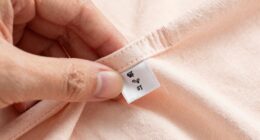
Stains on fabric can be frustrating, but with the right techniques, you can often remove them completely. The key is to act quickly and use proper fabric pretreatment methods. When you notice a stain, gently blot—don’t rub—the area to remove excess liquid or substance. Then, apply a fabric pretreatment solution or a simple mixture of water and a small amount of detergent directly onto the stain. Let it sit for a few minutes to loosen the particles. This step helps break down the stain’s bonds with the fabric fibers, making removal easier. For stubborn stains like grease or wine, consider using a stain remover designed specifically for those types of marks. Always check the care label on your fabric before applying any treatment to avoid damage. Additionally, understanding fabric care can help you choose the most effective stain removal methods for different textiles.
Prevention is better than cure, so practicing stain prevention tips is essential. For example, avoid eating or drinking over delicate fabrics, and always wear aprons or smocks when working with messy substances. When handling items prone to staining, such as coffee mugs or sauce jars, be cautious to reduce accidental spills. Keep a stain remover pen or spray handy for quick spot treatment, especially when you’re on the go. Also, be mindful of how you handle laundry; sorting whites from colors and treating stains promptly can prevent them from setting. Regularly inspecting your fabrics and acting fast can save you time and effort later.
Once you’ve pretreated the stain, wash the fabric as recommended on its care label. Use the hottest water safe for the material and consider adding a stain-fighting booster to your laundry load. Avoid drying fabrics with residual stains, as heat can set them permanently, making removal impossible. If the stain persists after washing, repeat the pretreatment process before drying. For stubborn stains that don’t respond to initial efforts, try specialized stain removal products or natural remedies like vinegar or baking soda, but always test a small, inconspicuous area first.
Top picks for "stain removal remov"
Open Amazon search results for this keyword.
As an affiliate, we earn on qualifying purchases.
Frequently Asked Questions
How Can I Remove Ink Stains From Delicate Fabrics?
To remove ink stains from delicate fabrics, start by testing a small, hidden area with rubbing alcohol or a gentle solvent to guarantee it doesn’t damage the fabric. Gently dab the stain with a clean cloth soaked in the solution, avoiding rubbing. Let it sit briefly, then rinse with cold water. Repeat if necessary, and always air dry to prevent damage. This method ensures effective ink removal while protecting delicate fabrics.
What’s the Best Way to Treat Old, Set-In Stains?
For old, set-in stains, perseverance and patience are key. You should pre-treat stubborn stains with stain removal tools like a stain remover spray or a gentle detergent. Let the solution sit and soak, then scrub softly to loosen the layers of stain. To prevent further problems, practice stain prevention by acting swiftly and avoiding heat. Repetition and careful treatment can revive your fabric and restore its original appeal.
Are Natural Remedies Effective for Removing Wine Stains?
Natural remedies can be somewhat effective for removing wine stains, but their stain effectiveness varies based on the stain’s age and fabric type. You might try using salt, baking soda, or white vinegar, which can help lift fresh stains. However, for older or stubborn wine stains, natural remedies may not be enough, and commercial stain removers could be more effective. Always test a small area first to prevent fabric damage.
How Do I Prevent Stains From Setting During Washing?
Like a time traveler avoiding a paradox, you should act quickly to prevent stains from setting. Pre-treatment strategies are key—apply stain remover or cold water immediately. When washing, consider temperature considerations; use cold or lukewarm water for fresh stains, as hot water can set them. Don’t overload the machine, and avoid drying before confirming stain removal, ensuring you don’t trap stains permanently.
Can Stain Removal Techniques Vary for Different Fabric Types?
Yes, stain removal techniques vary for different fabric types because each fabric reacts differently to treatments. You should consider fabric treatment guidelines and stain prevention methods specific to the material. For delicate fabrics, use gentle solutions, while tougher fabrics might need stronger stain removers. Always check care labels first, and test stain prevention methods on a hidden area to avoid damage, ensuring you effectively remove stains without harming your fabrics.
Conclusion
By understanding how to treat different stains, you empower yourself to act promptly, to choose the right methods, and to restore your fabrics. When you spot a stain, you can prevent it from setting, you can choose patience over haste, and you can embrace the process of restoration. Remember, every stain is a chance to learn, to improve, and to care. With knowledge and care, you turn mishaps into moments of mastery.