To care for polyester, nylon, and spandex, check care labels and wash in cold or warm water on a gentle cycle to prevent damage. Turn garments inside out to protect prints and avoid using harsh chemicals or bleach. Air dry when possible, or use a low-heat dryer, and steer clear of high heat and vigorous ironing. Proper handling helps your clothes stay looking new longer; explore more tips to keep your fabrics in top shape.

Get your wardrobe favorites delivered free — and shop member deals
- Fast, free delivery on millions of items
- Access to Prime Big Deal Days deals on October 6–7
- Prime Video, Amazon Music and more included
Key Takeaways
- Always check care labels and wash synthetic fabrics in cold or warm water on a gentle cycle.
- Turn garments inside out to protect prints and embellishments during washing.
- Avoid high heat in washing, drying, and ironing to prevent fiber damage and color fading.
- Use mild detergent and pre-treat stains promptly without vigorous rubbing.
- Prefer air drying or low-heat tumble drying to maintain fabric elasticity and extend garment life.
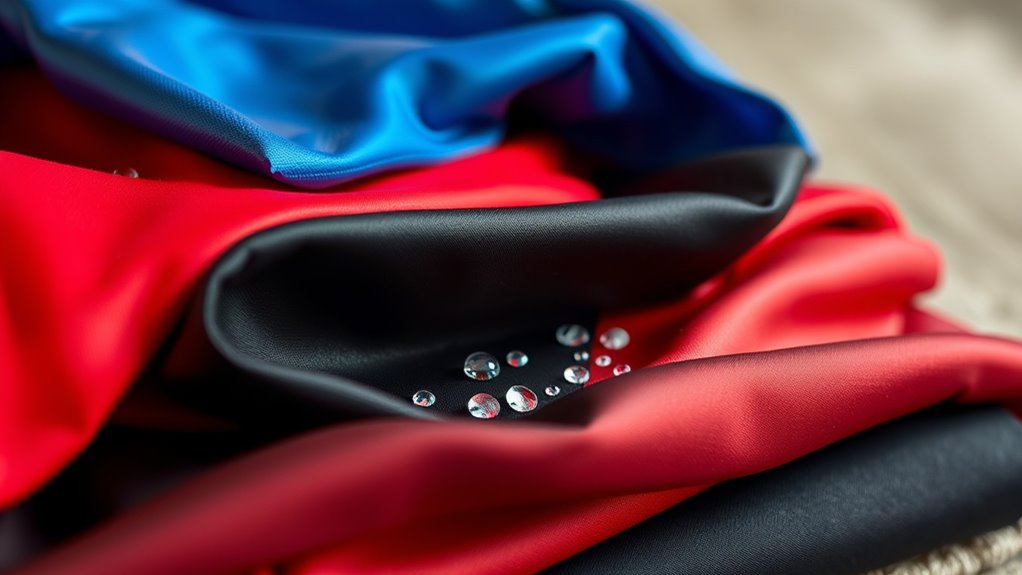
Synthetic fabrics are popular for their durability and versatility, but they require proper care to maintain their appearance and longevity. If you want your polyester, nylon, or spandex pieces to stay looking their best, understanding the right laundry tips and stain removal techniques is essential. These fabrics tend to be resilient, but they can also be sensitive to heat and harsh chemicals. By following proper guidelines, you’ll keep your garments in top condition for longer.
When it comes to laundry tips, always check the care labels first. Most synthetic fabrics can be washed in cold or warm water, but hot water might weaken fibers or cause colors to fade. Use a gentle cycle to prevent unnecessary wear. Avoid overloading the washing machine, as this can cause excessive friction that damages delicate fibers. Use a mild detergent designed for synthetic fabrics, avoiding bleach or fabric softeners unless specified, since these can break down fibers and diminish elasticity over time. To protect your clothes from damage, turn them inside out before washing, especially if they have prints or embellishments. Proper handling of synthetic fibers also involves avoiding high heat during washing and drying, as heat can weaken or melt fibers.
Stain removal is often a concern with synthetic fabrics because they can be prone to setting stains if not treated promptly. For common stains like oil, grease, or makeup, act quickly. Blot the stain gently with a clean cloth or paper towel to absorb excess. Pre-treat stubborn stains with a stain remover or a mixture of mild detergent and water applied directly to the affected area. Let it sit for about 10-15 minutes, then wash as usual. Avoid rubbing vigorously, as this can push the stain deeper or damage the fibers. For dye-based stains, a solution of water and a small amount of white vinegar can help lift the color without harming the fabric. Additionally, understanding the resilience of synthetic fabrics can help in selecting appropriate cleaning methods that preserve their properties.
Drying synthetic fabrics requires caution. Air drying is generally safest, as high heat from dryers can cause melting or shrinking. If you must use a dryer, select a low heat setting and remove garments promptly to prevent wrinkles. Ironing is usually unnecessary, but if needed, use a low-heat setting and place a cloth between the iron and the fabric to prevent direct contact. Remember, heat is one of the main enemies of synthetic fibers, so always handle your garments with care.
Frequently Asked Questions
Can Synthetic Fabrics Be Composted or Biodegraded Naturally?
Synthetic fabrics like polyester, nylon, and spandex generally can’t be composted or biodegraded naturally because of their resistance to biodegradation processes. You might think they break down easily, but composting challenges arise due to their chemical structure, which makes them durable and long-lasting. Unlike organic materials, these fabrics don’t easily decompose in natural environments, so they require special disposal methods to minimize environmental impact.
Are There Specific Detergents Best Suited for Synthetic Fabrics?
Ever wonder if your detergent is doing more harm than good? For synthetic fabrics, choose detergents specifically designed for them, ensuring compatibility with the fibers. Look for mild, liquid formulas that rinse out easily. Avoid fabric softeners, as they can damage the stretch and moisture-wicking properties. Using the right detergent helps maintain the fabric’s integrity, color, and longevity—so always check labels and opt for gentle, compatible options.
How Do Synthetic Fabrics Affect Allergy Sufferers?
Synthetic fabrics can affect allergy sufferers by acting as allergy triggers or causing fabric sensitivities. You might notice skin irritation, rashes, or respiratory issues after wearing polyester, nylon, or spandex. To reduce these effects, wash your clothes regularly with gentle detergents, avoid harsh chemicals, and choose breathable options. Being aware of your sensitivities helps you select fabrics that minimize discomfort and keep allergy symptoms in check.
Can Synthetic Fabrics Be Recycled Effectively at Home?
Ever wondered if you can recycle synthetic fabrics at home? While it’s challenging to do effectively, you can repurpose or recycle polyester, nylon, and spandex by carefully fabric dyeing or shredding them for craft projects. Keep in mind, controlling fabric temperature is vital during dyeing to prevent damage. However, true recycling often requires specialized facilities, so consider local programs for eco-friendly disposal instead of relying solely on at-home methods.
Do Synthetic Fabrics Release Microplastics During Washing?
Yes, synthetic fabrics like polyester, nylon, and spandex release microplastics during washing, contributing to microplastic pollution. When you wash these materials, tiny fibers shed from the fabric surface, a process called fabric shedding. These microplastics then enter water systems, harming aquatic life and polluting ecosystems. To reduce this, use a microfiber filter or wash at lower temperatures, and opt for natural fibers when possible.
Conclusion
By caring for your synthetic fabrics properly, you extend their lifespan and maintain their vibrant look. Remember, washing polyester, nylon, and spandex with gentle cycles and avoiding high heat keeps them in top shape. Did you know that synthetic fibers now make up over 60% of the global textile market? So, taking a little extra time to care for these materials not only benefits your wardrobe but also supports sustainable fashion choices.
Fall Picks
fall essentials
As an affiliate, we earn on qualifying purchases.