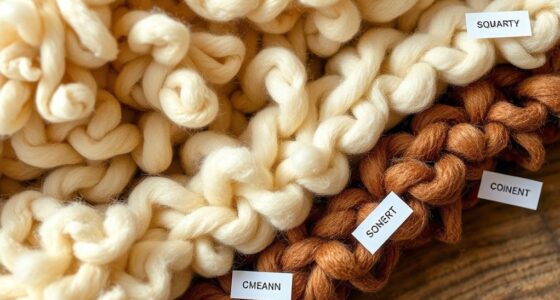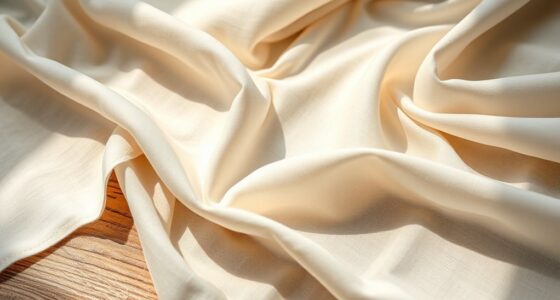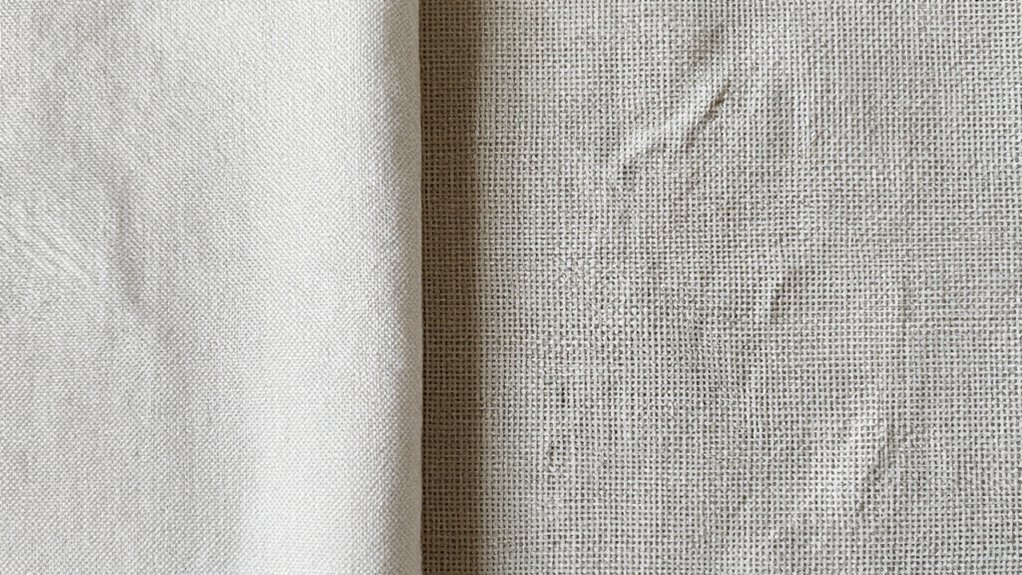
Understanding how fabric grain affects your sewing results is vital for a professional finish. When you align fabric properly with the grain, your garments will hang better, fit correctly, and look polished. Ignoring grain can cause warped seams, uneven hems, and distorted shapes. Recognizing the different types of grain and how they influence fabric behavior helps you sew more accurately. Keep exploring to discover how mastering grain alignment can elevate your sewing projects even further.
Key Takeaways
- Proper fabric grain alignment ensures garments hang correctly and maintain their intended shape.
- Ignoring grain can cause seams to warp, hems to distort, and fabric to stretch unevenly.
- Correct grain placement reduces fabric waste and ensures pattern pieces fit together accurately.
- Understanding fabric stretch and bias helps in selecting suitable seam finishes and handling techniques.
- Mastering fabric grain improves sewing precision and results in professional-looking, well-fitting garments.
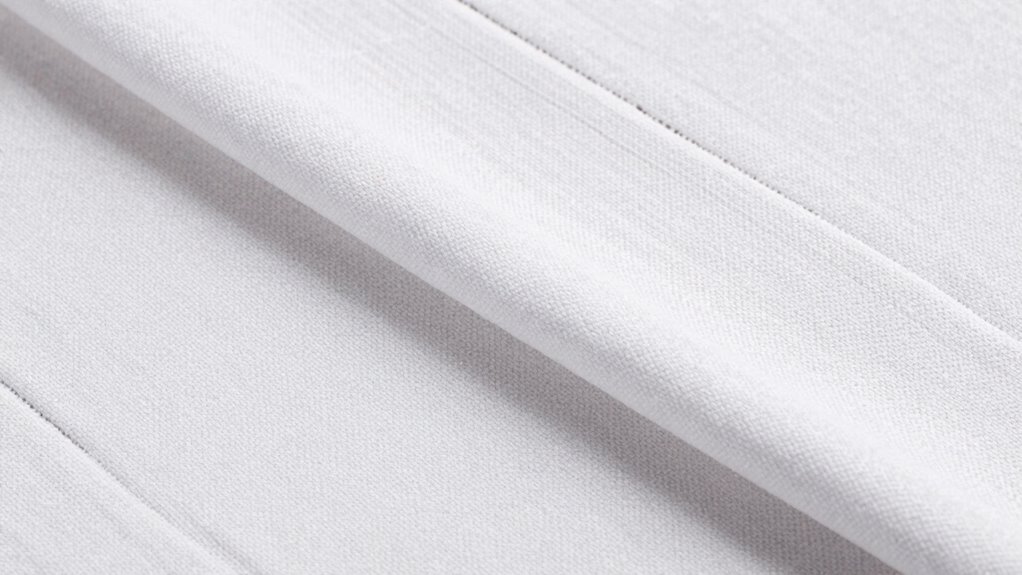
Understanding fabric grain is vital for achieving professional sewing results. When you work with fabric, recognizing how fabric grain variability impacts your project can make all the difference. Fabric grain refers to the direction of the threads in the fabric, and if you don’t pay attention to it, your finished piece may not hang or fit as intended. One common mistake is ignoring the importance of sewing pattern alignment with the grain. If your pattern pieces aren’t aligned properly, the final garment can warp, stretch out of shape, or look uneven. This is especially true when working with woven fabrics, where the direction of the threads greatly influences the garment’s structure.
Fabric grain variability can be subtle but vital. Some fabrics have a very distinct grain that runs straight and true, while others may have a slight bias or stretch that can throw off your pattern placement. When you cut your fabric, it’s important to identify the lengthwise grain—usually marked by the selvage—and align your pattern pieces accordingly. If you ignore this, your sewing pattern alignment might be off, resulting in mismatched seams or skewed shapes. This can be especially frustrating when sewing stripes, plaids, or directional prints, where even a slight misalignment becomes noticeable. Recognizing fabric grain is essential because it directly impacts how the finished project will hang and fit. Additionally, understanding the stretch and bias of your fabric can help you choose the proper seam finishes and handling techniques to prevent distortion. Being aware of the grain direction also helps in selecting the appropriate cutting layout to minimize fabric waste and ensure the best possible outcome.
Properly understanding and handling fabric grain improves your sewing accuracy and the overall look of your finished project. It prevents issues like skewed seams, uneven hemlines, or distorted shapes, which often result from neglecting grain considerations. When you pay attention to fabric grain variability and ensure your pattern pieces are aligned correctly, you give yourself a better chance to create garments and accessories that fit well and hang beautifully. Mastering fabric grain is a fundamental skill that can also help you better predict how different fabrics will behave during sewing and wear. Ultimately, mastering fabric grain is a foundational skill that elevates your sewing from good to professional.

SAVINA Safety Ruler with Handle & Stainless Steel Edge – 13in Handmade Hardwood Ruler for Quilting, Sewing, Fabric, Paper & Leather Crafts – Comfortable Grip for Precision Tailoring & DIY Projects
Safety Ruler with Smart Handle – Designed for Precision & Control: Work smarter and safer with SAVINA’s unique…
As an affiliate, we earn on qualifying purchases.
As an affiliate, we earn on qualifying purchases.
Frequently Asked Questions
How Can I Identify the Fabric Grain at Home?
To identify the fabric grain at home, start by laying your fabric flat. Look for the selvage edges, which run parallel to the grain. Gently stretch the fabric along these edges; if it stretches easily, you’re on the bias. To check the grain orientation, pull the fabric diagonally—stretching along the crosswise or lengthwise grain helps you find the straight grain for precise sewing.
Does Fabric Grain Affect Stretchability?
While fabric grain influences stability and sewing accuracy, it also impacts stretchability—crosswise grains often stretch more than lengthwise. You’ll notice that aligning your fabric correctly enhances stretchability in desired areas, preventing distortion. Ignoring the grain can cause uneven stretch, leading to fit issues. So, understanding fabric grain helps you sew with better stretchability and stability, ensuring your project looks professional and fits perfectly.
Can Altering the Grain Improve Fit?
Yes, altering the fabric grain can improve fit. When you adjust for fabric grain consistency, you guarantee that your sewing pattern aligns properly with the fabric’s natural stretch and drape. By carefully aligning the grainline, you prevent distortion and ensure the garment fits as intended. This attention to grain and pattern alignment helps create a polished, comfortable fit that moves naturally with your body, enhancing overall sewing results.
How Does Fabric Grain Influence Fabric Drape?
Your fabric grain orientation directly impacts how the fabric drapes, making it flow more smoothly or appear stiff. Proper alignment guarantees fabric grain stability, which helps the fabric hang naturally and maintains its shape over time. If you don’t follow the grain, the drape may be uneven or distorted, affecting the final look of your garment. Always pay attention to grain lines to achieve the desired drape and professional finish.
What Tools Are Best for Checking Fabric Grain?
To check fabric grain, you should use a clear ruler or straightedge to examine the fabric pattern and confirm grain alignment. Lay the ruler along the selvage edge, where the grain runs parallel, and look for straight, consistent lines. A fabric straightening tool or selvage edge can also help verify if the grain is aligned properly, which is essential for achieving neat, professional sewing results.

Fiskars 45mm Rotary Cutter for Fabric, Premium Steel Stick Fabric Cutter Cuts Through Multiple Layers, Right and Left Handed, Easy and Safe Blade Change, Arts and Crafts, Sewing and Quilting Tools
SEWING, ARTS, AND CRAFTS STAPLE: This Fiskars Rotary Cutter can cut multiple layers of fabric, felt, vinyl, and…
As an affiliate, we earn on qualifying purchases.
As an affiliate, we earn on qualifying purchases.
Conclusion
Understanding fabric grain helps you navigate sewing with a gentle touch, guiding your project toward harmony. When you respect the natural flow, your stitches flow smoothly, and your seams sit just right. Think of it as dancing with your fabric, where every move feels natural and effortless. By paying attention to the grain, you quietly guarantee your creation turns out beautifully, like a delicate whisper of perfection woven into every seam.
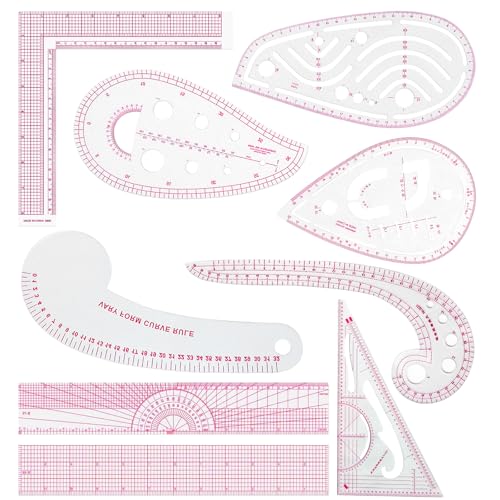
LJLJ Fashion Clear Metric Sewing Ruler Set,French Curve Pattern Rulers for Beginners, Tailors, Designers, Quilting, Embroidery, Cross Stitch, Crochet, Knitting 9pcs
Ruler Set: A variety of styles have a variety of uses and functions, and can be used for…
As an affiliate, we earn on qualifying purchases.
As an affiliate, we earn on qualifying purchases.

Mandala Crafts 55 Yards 1/2 Inch Black Double Fold Bias Tape for Sewing – Bias Binding Tape for Quilting Binding, Hemming, Seam, and Fabric Piping
Edging Fabric Bias Tape: The polyester double bias tape or cinta bies de tela holds shape better than…
As an affiliate, we earn on qualifying purchases.
As an affiliate, we earn on qualifying purchases.