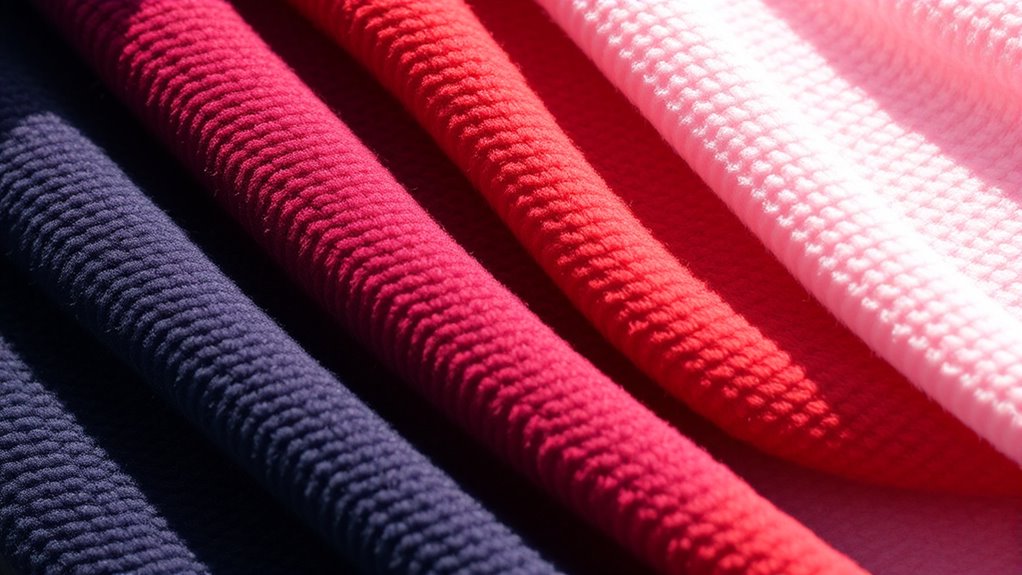

Fleece fabric comes in various types, including recycled polyester and plant-based fibers, offering eco-friendly choices. It provides different warmth levels, from lightweight styles perfect for layering to thicker options for winter warmth. Fleece is versatile, ideal for outdoor activities, casual wear, or lounging thanks to its insulating, breathable, and quick-drying qualities. If you want to explore more about how fleece’s manufacturing impacts its warmth, durability, and sustainability, there’s plenty to discover ahead.

Get your wardrobe favorites delivered free — and shop member deals
- Fast, free delivery on millions of items
- Access to Prime Big Deal Days deals on October 6–7
- Prime Video, Amazon Music and more included
Key Takeaways
- Fleece fabric varies by type, including traditional polyester fleece and eco-friendly recycled or plant-based options.
- Different fleece types offer various warmth levels, from lightweight to heavy insulation, suitable for outdoor or casual wear.
- Fleece is commonly used for jackets, blankets, activewear, and layering due to its insulating and lightweight properties.
- Eco-friendly fleece options are made from recycled plastics or sustainable fibers, reducing environmental impact.
- Quality fleece resists pilling, maintains softness, and is easy to care for, making it durable for everyday use.
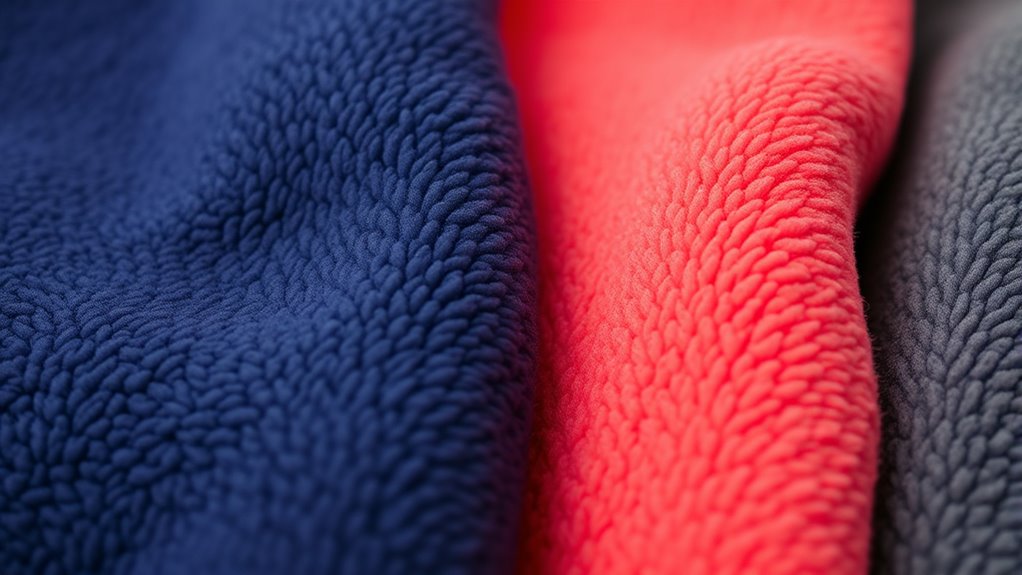
Have you ever wondered what makes fleece fabric so popular for cozy clothing and blankets? The answer lies in its unique fiber manufacturing process, which transforms synthetic fibers into a soft, insulating fabric that feels gentle against your skin. During fiber manufacturing, polyester is often used, but many brands now offer eco-friendly options made from recycled plastics or sustainable fibers. These eco-friendly options appeal to environmentally conscious consumers who want warmth and comfort without harming the planet. Recycled polyester, for instance, is produced by melting down plastic bottles and other waste, then spinning them into fibers suitable for fleece. This process not only reduces waste but also cuts down on the need for virgin resources, making fleece a more sustainable choice.
The appeal of fleece also stems from its versatility and warmth, which are directly linked to the fiber manufacturing process. Fleece fibers are designed to trap air, creating a layer of insulation that keeps you warm even in chilly conditions. Plus, because fleece is lightweight and breathable, it provides warmth without feeling heavy or restrictive. This makes it perfect for outdoor activities, layering, or simply lounging at home. When you choose fleece made from eco-friendly options, you’re adding a layer of environmental responsibility to your comfort. Many manufacturers now prioritize sustainable fiber manufacturing practices, ensuring that your cozy garments are also eco-conscious. From recycled polyester to plant-based fibers, these options help reduce the environmental impact of your wardrobe.
Another key aspect of fleece’s popularity is its durability and ease of care, both of which are influenced by its fiber manufacturing. High-quality fleece resists pilling and retains its softness over time, making it a practical choice for everyday wear. Plus, it dries quickly and is machine washable, which means you don’t have to fuss over delicate fabrics. When shopping for fleece, look for brands that highlight their eco-friendly fiber manufacturing processes. These companies often incorporate recycled materials or sustainable fibers, so you can feel good about your purchase.
Frequently Asked Questions
How Eco-Friendly Is Fleece Fabric Production?
Fleece fabric production isn’t very eco-friendly, but there are improvements. You can choose fleece made from sustainable manufacturing practices and eco-conscious fibers, which reduce environmental impact. These fibers often come from recycled plastics or natural sources, lowering waste and energy use. While traditional fleece has a larger carbon footprint, opting for eco-friendly options helps you support more sustainable manufacturing and reduces your overall environmental impact.
Can Fleece Be Recycled or Repurposed?
Yes, you can recycle or repurpose fleece fabric. Recycling options include donating old fleece garments to organizations that repurpose textiles or turning them into cleaning rags. You can also explore alternative uses like making cozy pillows, pet bedding, or craft projects. By repurposing fleece, you extend its life, reduce waste, and find creative ways to reuse materials instead of discarding them.
Is Fleece Suitable for Sensitive Skin?
Fleece can be suitable for sensitive skin if it has hypoallergenic properties. You should look for fleece made from soft, non-irritating fibers that are gentle and breathable. While some fleece fabrics might cause irritation, many are designed to minimize skin sensitivity. Always check the label for hypoallergenic features, and consider testing a small area first to verify comfort and avoid allergic reactions.
How Does Fleece Compare to Wool in Insulation?
Fleece provides good insulation, but wool generally outperforms it in warmth because of its natural fibers. Unlike fleece, which uses synthetic insulation, wool traps heat more effectively and maintains warmth even when damp. Wool also wicks moisture away better, keeping you dry and warm longer. So, if you need superior insulation, especially in wet conditions, wool is the better choice, though fleece offers lightweight, quick-drying warmth.
What Are the Best Care Tips to Prolong Fleece Lifespan?
While fleece feels soft and cozy, neglecting fleece maintenance can lead to pilling and wear. To prolong its lifespan, follow fleece washing tips: wash in cold water, use gentle detergent, and avoid fabric softeners. Always close zippers and fasten Velcro to prevent snagging. Skip high heat in the dryer; instead, tumble dry on low or air dry. Proper care keeps your fleece looking new and feeling warm for years.
Conclusion
Think of fleece fabric as your cozy castle, offering warmth and comfort no matter the weather. Just as a fortress shields you from the storm, fleece wraps you in softness and insulation, turning chilly days into warm adventures. Whether you’re braving the cold or lounging at home, this fabric becomes your trusty ally, ready to keep you snug. Embrace fleece like a loyal guardian, and you’ll always feel protected, warm, and ready to face whatever comes your way.
Fall Picks
fall essentials
As an affiliate, we earn on qualifying purchases.