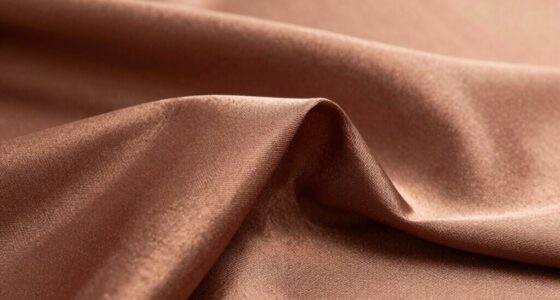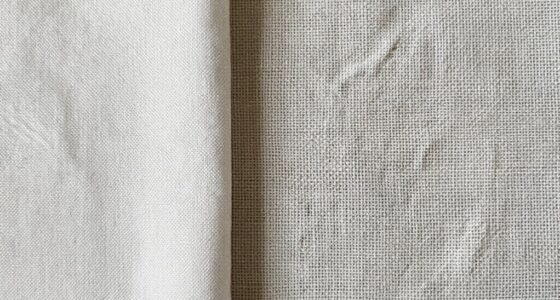
If you’re choosing fibers for everyday use, natural fibers like cotton, wool, and silk are eco-friendly and breathable, making them more comfortable in hot or humid weather. They’re sustainable, biodegradable, and require less energy to produce, reducing environmental impact. While they can be less resistant to moisture and pests, proper care helps them last longer. Synthetic fibers, on the other hand, offer better resistance to moisture but are less eco-conscious. Explore further to discover which option suits your lifestyle best.
Key Takeaways
- Natural fibers are eco-friendly, biodegradable, and renewable, whereas synthetics rely on fossil fuels and contribute to microplastic pollution.
- Natural fibers provide superior breathability and comfort, especially in hot and humid climates, unlike synthetic fibers.
- Synthetic fibers are more resistant to moisture and pests but tend to wear out faster than natural fibers.
- Proper care is essential for natural fibers to prevent damage from moisture and pests, while synthetics are generally easier to maintain.
- Choosing natural fibers supports sustainability and environmentally conscious living, aligning with eco-friendly lifestyle goals.

Have you ever wondered what sets natural fibers apart from synthetic ones? When you consider everyday use, these differences can greatly impact your choices. Natural fibers, like cotton, wool, and silk, are known for their eco-friendly production. They come from renewable sources, and their manufacturing process typically involves fewer harmful chemicals and less energy compared to synthetics. This makes natural fibers a more sustainable option if you’re conscious about your environmental footprint. Additionally, natural fibers tend to biodegrade more easily, reducing long-term waste and pollution. Knowing this, you might feel more inclined to pick items made from natural materials, especially if you’re committed to eco-friendly living. Natural fibers also often have superior breathability, making them more comfortable in hot or humid climates, which further enhances their suitability for daily use.
Natural fibers are eco-friendly, renewable, and biodegradable, making sustainable choices for everyday use.
But durability and wear are also essential factors in your decision. Natural fibers often boast impressive durability, which means they can stand up to regular use without falling apart quickly. For example, wool is resilient and retains its shape, while cotton, if cared for properly, can last for years without losing its softness or strength. These fibers develop a unique character over time, often becoming softer and more comfortable with each wash. This wearability makes natural fibers ideal for clothing, bedding, and everyday accessories because you can count on them to last longer and maintain their appeal.
However, natural fibers do have some downsides. They can sometimes be less resistant to moisture or pests compared to synthetic fibers, which are designed to be water-resistant or pest-proof. That’s where proper care comes into play. You need to understand how to wash and store natural fiber products to maximize their lifespan. When you do, you’ll find they hold up quite well, especially if you choose high-quality options. Their breathability also offers benefits, making clothing more comfortable in various climates, which adds to their durability in everyday use. Proper care and maintenance can significantly extend the life of natural fiber products, ensuring they remain functional and attractive over time.
On the flip side, synthetic fibers like polyester or nylon are often manufactured with speed and cost-efficiency in mind. They can be produced quickly and in large quantities, but their eco-friendly production is questionable, as they rely heavily on fossil fuels and release microplastics into the environment. While synthetics might be more resistant to moisture and pests, they tend to wear out faster, showing signs of pilling or fraying sooner than natural fibers. So, if you’re looking for something that combines durability with eco-consciousness, natural fibers might be the better choice for your daily wardrobe and household needs. They offer a balance of strength, comfort, and sustainability that’s hard to beat, especially when you care about how your choices impact the planet.

IXIMO Women's Casual Cotton Linen Baggy Pants with Elastic Waist Relax Fit Lantern Trousers Beige L
80% Linen and 20% Cotton ,Mid-Weight ,0.50kg/piece for size S,Suggest Hand Wash or soft machine wash with washing…
As an affiliate, we earn on qualifying purchases.
As an affiliate, we earn on qualifying purchases.
Frequently Asked Questions
Are Natural Fibers More Environmentally Friendly Than Synthetic Fibers?
Yes, natural fibers are generally more environmentally friendly than synthetic fibers. They have a better biodegradability comparison because natural fibers break down more easily in the environment. An environmental impact analysis shows that natural fibers produce fewer pollutants during production and disposal. You’ll find that choosing natural fibers helps reduce your carbon footprint, minimizes waste, and supports sustainable practices, making them a smarter choice for eco-conscious everyday use.
How Do Natural Fibers Perform in Extreme Weather Conditions?
Natural fibers generally don’t perform well in extreme weather conditions. They have lower weather resistance, meaning they’re more prone to damage from moisture, UV rays, and temperature fluctuations. Compared to synthetic fibers, which excel in durability and weather resistance, natural fibers tend to break down faster, lose strength, and degrade when exposed to harsh elements. For outdoor use in extreme weather, synthetic fibers are often a more durable and reliable choice.
Can Synthetic Fibers Be Biodegradable?
Synthetic fibers generally aren’t biodegradable, raising biodegradability concerns because they can persist in the environment for hundreds of years. While some advancements aim to create biodegradable synthetics, recycling challenges remain, making it difficult to break down or reuse these materials efficiently. If you’re environmentally conscious, you might prefer natural fibers, but if synthetics are necessary, look for options labeled biodegradable or recyclable to reduce ecological impact.
What Are the Health Impacts of Synthetic Fibers?
Synthetic fibers can impact your health by causing fiber allergies and exposing you to chemicals. When you wear or handle these fibers, they might trigger allergic reactions like itching or respiratory issues. Additionally, chemicals used in manufacturing can be absorbed through your skin or inhaled, potentially leading to long-term health concerns. It’s important to be aware of these risks and choose clothing or textiles that minimize chemical exposure whenever possible.
How Do Cost Differences Affect Consumer Choices?
You might find that synthetic fibers are often cheaper, with prices up to 50% lower than natural fibers, influencing your buying decisions. When prices are a concern, you tend to prioritize cost over brand loyalty or eco-friendliness. Price sensitivity can lead you to choose synthetic options, even if natural fibers align better with your values. Ultimately, cost differences profoundly shape your choices in everyday fabrics.

LANE LINEN Eco Friendly 100% Organic Cotton Queen Sheet Set, Soft & Comfy Fully Elasticized 15" Deep Pocket Bed Sheets, Low Pill Naturally Cooling Machine Wash Sábanas Queen- White Bed Sheets
Pure Organic Comfort: Experience the luxurious comfort of our Lane Linen cotton sheets queen size set, meticulously crafted…
As an affiliate, we earn on qualifying purchases.
As an affiliate, we earn on qualifying purchases.
Conclusion
So, next time you pick out a fabric, remember that natural fibers, with all their eco-friendly charm, might just surprise you with durability. Meanwhile, synthetic options, often dismissed as synthetic nightmares, can offer surprising comfort and longevity. Irony? The “natural” choice isn’t always the easiest or most practical. So, whether you go eco or synthetic, it’s all about knowing what truly suits your daily needs—because sometimes, the simplest fibers pack the biggest punch.

Chanyarn Women's 100% Merino Wool Crewneck Pullover Sweater 2025 Fall Winter Warm Soft Long Sleeve Seamless Knit Cashmere Style Sweater (Caramel,S)
Raw Material: Made of 26Nm/2 pure Merino wool fine yarn, this 100% merino wool sweater has a wool…
As an affiliate, we earn on qualifying purchases.
As an affiliate, we earn on qualifying purchases.

Bedsure Satin Pillowcases, Similar to Silk Pillow Cases Queen Size Set of 2, Cooling Pillow Case for Sleeping Women with Envelope Closure, Gifts for Women Men, Beige, 20×30 Inches, 2pcs
BETTER HAIR: Made of 100% polyester, these silk-like satin pillowcases feature a smooth texture that minimizes friction, helping…
As an affiliate, we earn on qualifying purchases.
As an affiliate, we earn on qualifying purchases.