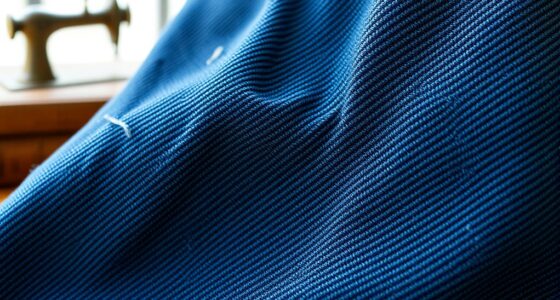
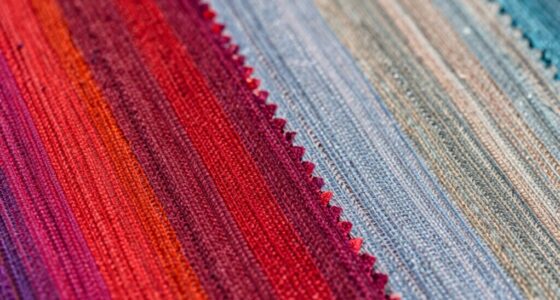
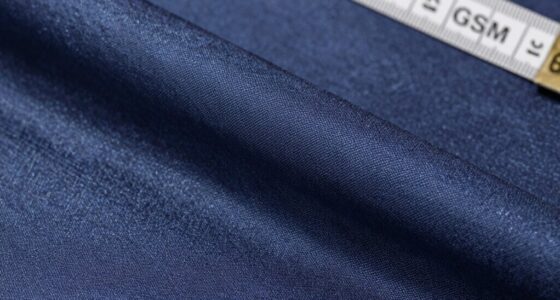
Satin weave creates fabrics with a smooth, glossy surface by floating warp or weft threads over multiple yarns before passing under one, resulting in a lustrous appearance and luxurious feel. This weaving technique reduces friction, making the fabric shiny and silky to touch. Usually made from high-quality fibers like silk or synthetic materials, satin is used in elegant garments and bedding. To discover how craftsmanship and material choices influence satin’s glow, keep exploring further details.

Get your wardrobe favorites delivered free — and shop member deals
- Fast, free delivery on millions of items
- Access to Prime Big Deal Days deals on October 6–7
- Prime Video, Amazon Music and more included
Key Takeaways
- Satin weave creates a smooth, glossy surface by floating warp or weft threads over multiple yarns.
- It employs specific weaving techniques that reflect light, giving fabrics a lustrous, silky appearance.
- Traditionally made from silk, modern satin can use polyester, acetate, or nylon for affordability.
- The complex weaving process results in luxurious, elegant fabrics often used in high-end garments and bedding.
- Expert craftsmanship ensures uniform floats and consistent shine, enhancing satin’s luxurious and lustrous qualities.

Ever wondered what makes satin weave so smooth and lustrous? The secret lies in its unique weaving techniques that create a fabric with a glossy surface and a luxurious feel. Satin is renowned as a luxury fabric, prized not only for its shimmering appearance but also for its smooth texture that drapes beautifully. Unlike other weaving methods, satin employs a specific set of weaving techniques that allow the threads to reflect light in a way that produces that signature sheen. This is achieved by floating warp or weft threads over multiple yarns before passing under one, minimizing the number of interlacings and creating a smooth, shiny surface on one side of the fabric. The result is a fabric that looks luminous and feels incredibly silky against your skin.
Satin’s glossy, luxurious surface comes from unique weaving techniques that minimize interlacing and reflect light beautifully.
When it comes to weaving techniques, satin distinguishes itself from other types of weave like twill or plain weave by its method of construction. In satin weaving, the yarns are arranged in such a way that the surface threads glide over each other, reducing the friction and giving the fabric its iconic gloss. This technique requires precision and skill, often involving complex machinery to guarantee the floats are uniform and the fabric maintains its lustrous quality. Because of the way the threads are woven, satin tends to be more delicate and prone to snagging, which is why it’s often used in high-end garments, evening wear, and luxurious bedding.
Satin’s status as a luxury fabric is further enhanced by the quality of materials used. Typically, high-quality silk is chosen for its natural sheen and softness, but modern satin can also be made from polyester, acetate, or nylon, making it more affordable while still retaining some of that elegant shine. The weaving techniques used in satin production are vital to achieving the plush, reflective surface that makes it a symbol of opulence. When you wear or use satin, you’re experiencing the culmination of expert weaving methods designed to showcase light and create a fabric that feels as luxurious as it looks.
Ultimately, satin weave’s allure comes from the craftsmanship behind its weaving techniques and the luxurious fibers used. It’s a fabric that transforms simple materials into something special, giving your clothing and accessories a sophisticated, high-end look. By understanding how these weaving techniques work, you gain a deeper appreciation for what makes satin a timeless symbol of elegance and luxury.
As an affiliate, we earn on qualifying purchases.
Frequently Asked Questions
How Does Satin Weave Affect Fabric Durability?
Satin weave can improve fabric durability by enhancing fiber sheen and surface smoothness, making the fabric more resistant to wear and tear. The tightly woven structure reduces snagging and pilling, extending its lifespan. You’ll notice that satin’s glossy surface not only looks luxurious but also offers better resilience against friction. However, since satin is often made with delicate fibers, handle it gently to preserve its durability and lustrous appearance.
Can Satin Weave Be Used for Outdoor Textiles?
Satin weave isn’t typically ideal for outdoor textiles, as its silky surface can be a magnet for dirt and wear. Think of it like a delicate flower in a storm—beautiful but fragile. While satin weave offers a luxurious look, its outdoor durability and weather resistance are limited. If you’re considering outdoor use, opt for fabrics specifically designed for weather resistance and durability to withstand the elements.
Which Fibers Are Best Suited for Satin Weave?
You should choose fibers like silk, polyester, or nylon for satin weave, as they provide excellent fabric characteristics such as smoothness, durability, and a lustrous surface. Silk offers a luxurious feel and sheen, while polyester and nylon are more affordable and resistant to wear. These fiber types help achieve the signature glossy appearance of satin, ensuring your fabric remains elegant and resilient for various uses.
How Does Satin Compare to Other Weave Types in Feel?
You’ll notice satin feels more luxurious and smooth compared to other weaves because of its unique surface. The glossy finish and silky texture come from the way the threads are woven, allowing fewer interlacings and creating a sleek, lustrous surface. This gives satin a soft, glide-like feel that’s perfect for elegant garments and bedding. Its smooth texture elevates your experience, making it stand out among more matte or textured fabrics.
Is Satin Weave Suitable for Beginners to Weave?
Yes, satin weave is suitable for beginners to weave. It’s a great choice because its weaving techniques are straightforward, helping you develop your skills without too much complexity. To succeed, follow beginner tips like practicing consistent tension and using smooth, high-quality yarns. Satin’s lustrous surface makes your projects look professional, boosting your confidence as you learn the basics of weaving. With patience, you’ll master this elegant weave in no time.
Conclusion
Understanding satin weave reveals a fabric that’s like a mirror reflecting elegance and sophistication. Its lustrous surface draws people in, much like a magnet, showcasing how skilled weaving can transform simple fibers into art. Once you grasp its secrets, you’ll see satin not just as fabric, but as a canvas of beauty and craftsmanship. Embrace this knowledge, and let your appreciation for textiles shine as brightly as the fabric’s own radiant surface.
Fall Picks
fall essentials
As an affiliate, we earn on qualifying purchases.