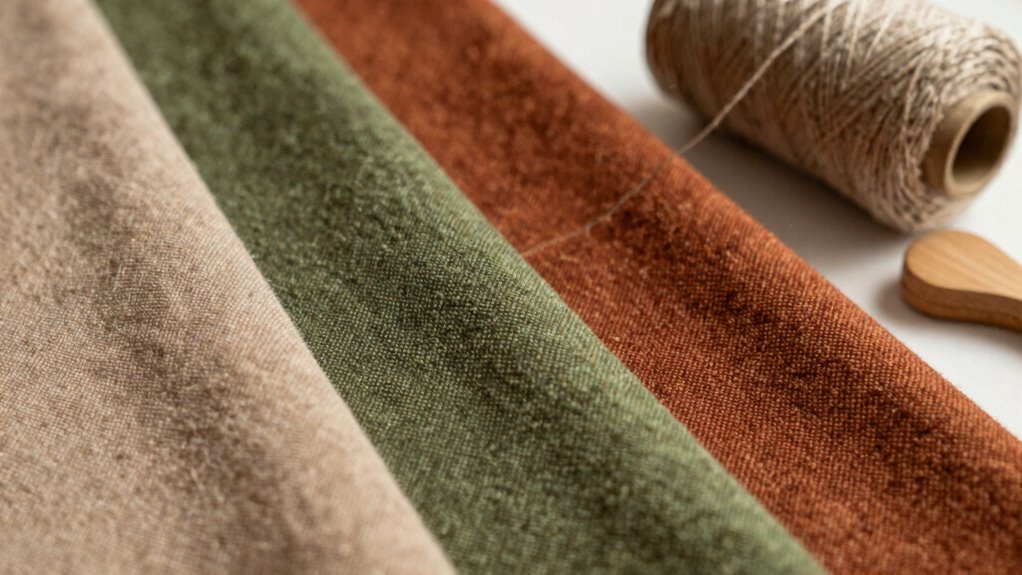

Choosing sustainable and durable fabrics supports slow fashion by extending your garments’ lifespan and minimizing environmental harm. When you pick fabrics like organic cotton, Tencel, or recycled materials, you help reduce waste and lower your carbon footprint. These fabrics often require fewer resources and are ethically sourced, promoting responsible production. Your fabric choices can inspire more ethical industry practices. If you want to explore how these decisions impact fashion and sustainability further, there’s more to discover.
Key Takeaways
- Choosing sustainable fabrics reduces environmental impact and supports eco-friendly manufacturing practices.
- Durable textiles enhance garment longevity, aligning with slow fashion’s emphasis on timeless, lasting pieces.
- Sustainable fabric choices minimize waste and resource use throughout the garment’s lifecycle.
- Certifications help consumers make informed decisions, promoting ethical sourcing and responsible production.
- Selecting eco-conscious fabrics encourages brands to prioritize sustainability and ethical standards in their collections.
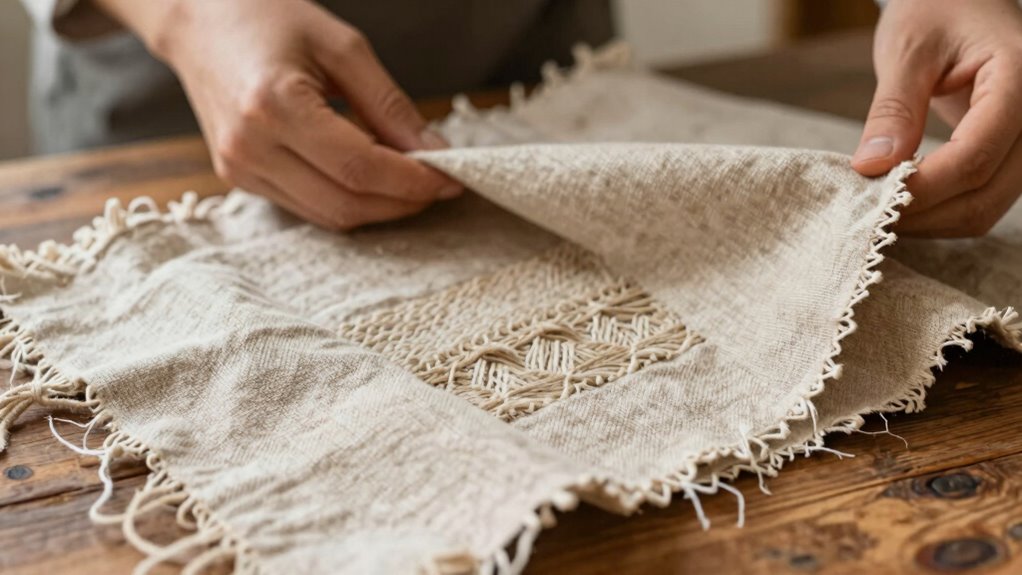
Have you ever wondered how fabric choices influence sustainable fashion? When you pick fabrics thoughtfully, you’re making a conscious decision that impacts not just the look and feel of your clothing but also the environment and the lifespan of the garments you wear. Sustainable sourcing plays a key role here, guiding you toward materials that are produced responsibly—using eco-friendly processes, fair labor practices, and renewable resources. Choosing fabrics like organic cotton, Tencel, or hemp means supporting farmers and manufacturers who prioritize environmental well-being and social ethics. These choices reduce the carbon footprint associated with conventional textile production and help preserve natural ecosystems.
Choosing sustainable fabrics like organic cotton and hemp supports eco-friendly practices and reduces environmental impact.
Textile durability is another essential factor in supporting slow fashion. When you opt for high-quality, long-lasting fabrics, you’re investing in garments that withstand the test of time. Durable textiles don’t just look better over the years; they also reduce the need for frequent replacements, cutting down on waste and resource consumption. Fabrics like linen, wool, and certain recycled materials often boast impressive durability, meaning your wardrobe becomes more sustainable because you’re not discarding clothing prematurely. This approach aligns perfectly with slow fashion principles, which emphasize timeless design and longevity over fleeting trends. Additionally, understanding the environmental impact of fabric choices can guide you toward more sustainable options that minimize pollution.
Your fabric choices also influence the entire lifecycle of your clothing. When you select sustainable, durable fabrics, you contribute to a cycle that minimizes environmental harm. For instance, longer-lasting textiles mean fewer garments end up in landfills, reducing pollution and waste. Furthermore, these fabrics often require fewer chemical treatments and less water during production, further lowering their environmental impact. By prioritizing textile durability, you guarantee your wardrobe remains functional, stylish, and eco-friendly for years to come. Supporting sustainable manufacturing practices in textile production can also help promote ethical labor standards and reduce environmental degradation. Being aware of the certifications and standards that ensure textile sustainability can help you make more informed, responsible decisions.
In the end, your fabric selection is more than just a fashion statement; it’s a commitment to mindful consumption. Opting for sustainably sourced, durable textiles demonstrates that you value quality over quantity and are dedicated to reducing your ecological footprint. This mindful approach encourages brands to prioritize transparency, ethical practices, and environmentally responsible manufacturing processes. When you understand how fabric choices support slow fashion thinking, you become an active participant in transforming the fashion industry into one that respects both people and the planet. Your mindful selections can inspire others, creating a ripple effect that promotes sustainability at every stage of a garment’s life. Recognizing the importance of textile certifications can further empower you to make responsible choices aligned with your values.

Hanes Originals Women’s Joggers, 100% Cotton Jersey
- Stylish Modern Essentials: Comfortable for every body
- 100% Cotton Fabric: Soft, cloud-like feel
- Elastic Waistband: Provides a custom fit
As an affiliate, we earn on qualifying purchases.
As an affiliate, we earn on qualifying purchases.
Frequently Asked Questions
How Do Natural Fabrics Impact Garment Durability?
Natural fabrics generally enhance garment durability because their fiber properties create stronger, more resilient textiles. You’ll notice natural fibers like wool or cotton withstand wear better over time. Their dye absorption also tends to be gentler, reducing the risk of fading or damage from frequent washing. By choosing natural fabrics, you support longer-lasting garments, aligning with slow fashion principles that prioritize sustainability and quality over quick disposal.
What Are the Most Sustainable Fabric Options Available Today?
You can choose sustainable fabrics like organic cotton, hemp, and Tencel, which are eco-friendly and biodegradable. Look for innovative fabric blends that reduce environmental impact, such as recycled fibers or plant-based materials. Make sure your options have ethical sourcing certifications like GOTS or Fair Trade, so you’re supporting responsible production. These choices help promote slow fashion by prioritizing quality, longevity, and environmental consciousness.
How Does Fabric Choice Influence Garment Longevity?
Choosing quality fabrics deeply impacts your garment’s lifespan. When you pick durable materials, you’re less likely to encounter wear and tear, allowing your clothes to tell a longer story. Emphasizing fabric recycling and dye sustainability guarantees your garments remain beautiful over time, reducing environmental strain. This thoughtful selection nurtures your wardrobe’s longevity, making each piece a cherished part of your sustainable fashion journey.
Are There Specific Fabrics Best Suited for Timeless Styles?
You’ll find that fabrics like high-quality wool, linen, and silk are best suited for timeless styles because they often feature rich fabric textures and excellent color retention. These materials hold their shape and hue over time, making your garments look elegant and durable. Selecting fabrics with natural textures and stable colors guarantees your pieces remain stylish and sustainable, supporting slow fashion’s focus on longevity and classic appeal.
How Can Consumers Identify Eco-Friendly Fabric Sources?
You can identify eco-friendly fabric sources by checking for textile certifications like GOTS or OEKO-TEX, which guarantee sustainable practices. Look into dyeing processes—prefer those that use natural or low-impact dyes to reduce environmental harm. Research brands that openly share their sourcing and manufacturing details. By paying attention to labels and transparency, you support sustainable textiles, aligning your choices with slow fashion principles and encouraging eco-conscious production.
Conclusion
By choosing sustainable fabrics, you actively contribute to a more mindful, ethical fashion industry. Your decisions affect the environment, workers, and future generations—so why settle for less? Embracing slow fashion isn’t just about style; it’s about making intentional choices that last. When you prioritize quality fabrics, you support a cycle of care and durability. Isn’t it worth investing in pieces that truly stand the test of time and align with your values?