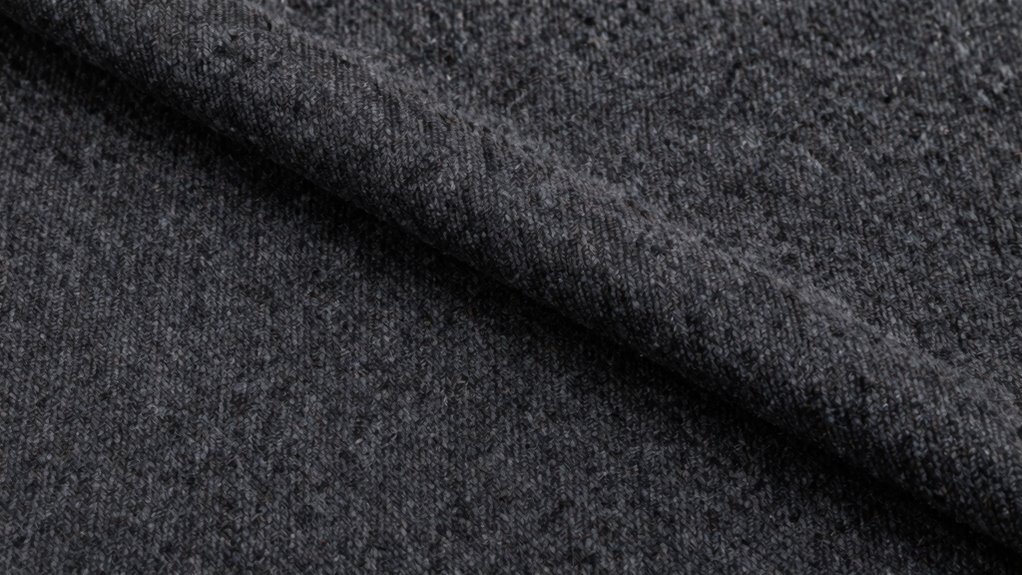
Melton wool is a dense, tightly woven fabric known for its durability, warmth, and resistance to wind and water. It’s made from high-quality wool fibers that are spun, woven, and then fulled— steamed and felted—to shrink and tighten it. Originally developed in England, it became popular for military uniforms and high-end outerwear thanks to its toughness and heritage. If you keep exploring, you’ll discover even more about its rich history and craftsmanship.

Get your wardrobe favorites delivered free — and shop member deals
- Fast, free delivery on millions of items
- Access to Prime Big Deal Days deals on October 6–7
- Prime Video, Amazon Music and more included
Key Takeaways
- Melton wool is a heavy, tightly woven fabric developed in England for durability and weather resistance.
- It is made from high-quality wool fibers, woven tightly, then fulled through steaming and felting.
- Known for its warmth, windproof, and water-resistant properties, ideal for outerwear and coats.
- Traditionally used in military uniforms and high-end tailoring, symbolizing craftsmanship and resilience.
- Preservation of traditional manufacturing techniques maintains its authenticity, heritage, and high-quality standards.
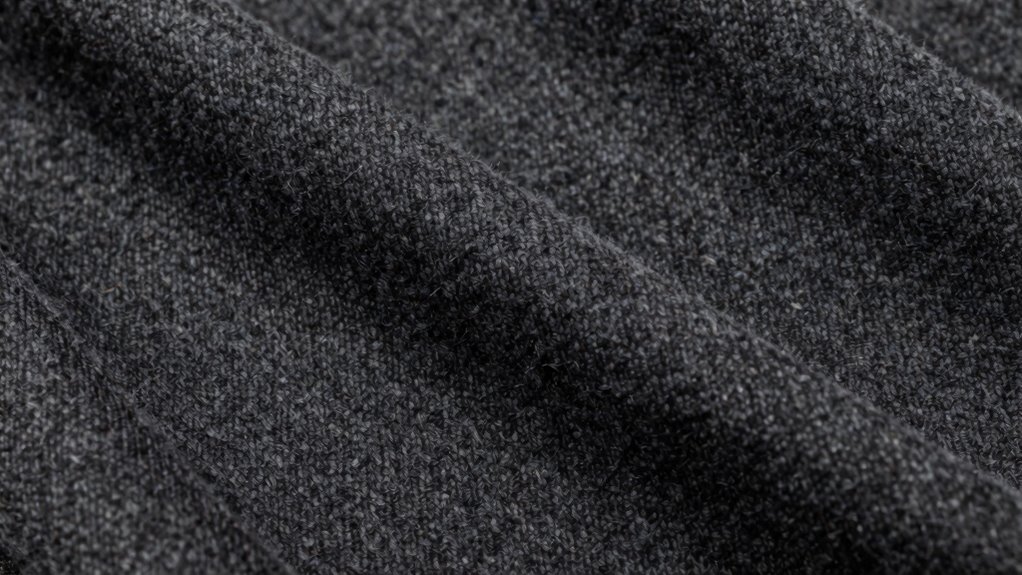
Have you ever wondered what makes Melton wool a popular choice for warm, durable garments? Its appeal lies not just in its practicality but also in its rich history and unique fabric manufacturing process. Melton wool boasts a historical significance that traces back to centuries ago, originally developed in England as a heavy, tightly woven fabric designed to withstand harsh weather conditions. Over time, it became a symbol of quality and craftsmanship, especially among the military and uniform manufacturers. The fabric’s durability and insulation properties made it an ideal material for soldiers and outdoor workers, reinforcing its reputation as a reliable, long-lasting textile.
Melton wool’s rich history and craftsmanship make it a timeless choice for warmth and durability in outerwear.
When you look at how Melton wool is made, you’ll notice that its manufacturing process is quite specialized. It begins with high-quality wool fibers, which are carefully selected for their strength and cleanliness. These fibers are then carded and spun into yarns, which are woven into fabric using a tight weave. What sets Melton apart from other wool fabrics is its unique finishing process: the fabric undergoes a fulling treatment, where it’s steamed and felled to shrink and tighten the weave. This process not only enhances the fabric’s density but also gives it a smooth, velvety surface that feels substantial yet soft. During manufacturing, the fabric is often brushed or sanded to achieve a uniform finish, adding to its aesthetic appeal.
This manufacturing technique results in a fabric that’s not only warm but also resistant to wind and water, making it perfect for outerwear like coats and jackets. Its dense construction traps heat effectively, which is why you’ll often see Melton wool used in winter clothing. Additionally, the fabric’s tight weave reduces pilling and fraying, extending the lifespan of garments made from it. Because of its robust nature, Melton wool has retained its popularity over centuries, especially in military uniforms, traditional tailoring, and high-end outerwear. Its historical significance isn’t just in its origins but also in how it has persisted as a symbol of quality and resilience. Traditional craftsmanship plays a significant role in maintaining its authenticity and superior quality.
Furthermore, the preservation of traditional manufacturing techniques ensures that Melton wool remains a premium fabric choice, combining heritage craftsmanship with modern durability. Its historical significance isn’t just in its origins but also in how it has persisted as a symbol of quality and resilience. The continued use of traditional methods helps maintain its authenticity and superior quality.
In essence, Melton wool’s combination of historical importance and meticulous fabric manufacturing processes makes it a standout material. When you choose a garment made from Melton, you’re embracing a tradition of craftsmanship that has stood the test of time. Its durability, warmth, and classic appeal continue to make it a top choice for those seeking both function and style in their outerwear.
As an affiliate, we earn on qualifying purchases.
Frequently Asked Questions
Is Melton Wool Suitable for Summer Clothing?
Melton wool isn’t ideal for summer wear because it’s thick and durable, which can lead to breathability concerns. You might find yourself too warm and sweaty if you wear it in hot weather. For summer, look for lighter, more breathable fabrics like linen or cotton. Melton wool performs better in cooler seasons, providing warmth and durability, but it’s not suitable when you need clothing that keeps you cool and comfortable.
How Does Melton Wool Compare to Traditional Wool?
Melton wool is thicker and denser than traditional wool, making it more durable and resistant to wear. You’ll notice texture differences—Melton has a smooth, tightly woven surface, while traditional wool is softer and more flexible. Compared to regular wool, Melton offers greater durability and a more structured feel, ideal for outerwear. However, it’s less breathable and softer, so consider your comfort needs when choosing between the two.
Can Melton Wool Be Washed at Home?
Yes, you can wash Melton wool at home, but you need to follow proper care instructions. Use gentle washing methods, like hand washing or a delicate cycle on your machine with cold water. Avoid hot water and harsh detergents, as they can damage the fabric. After washing, lay it flat to dry to maintain its shape. Always check the care label for specific washing instructions to keep your Melton wool in great condition.
What Are Common Uses for Melton Wool?
You might worry that Melton wool’s durability limits its fashion versatility, but it actually offers timeless style and practicality. Its historical significance shines through in classic coats and jackets that never go out of fashion. You’ll love how this fabric adapts from rugged outdoor wear to elegant, sophisticated outfits. Melton wool’s versatility guarantees your wardrobe stays both functional and stylish, connecting you to tradition while embracing modern trends effortlessly.
Is Melton Wool Hypoallergenic?
No, melton wool isn’t considered hypoallergenic. If you have allergy concerns, especially with wool fabrics, you might experience skin irritation or breathing discomfort. Melton wool’s dense, tight weave can trap allergens like dust and pollen, potentially affecting breathing comfort. If you’re sensitive to wool, it’s best to test a small area first or opt for hypoallergenic materials to avoid allergic reactions.
Conclusion
So, next time you reach for a warm coat, consider Melton wool—its timeless durability and rich history are truly remarkable. It’s funny how something so simple can have such a storied past, connecting generations of craftsmanship. When you wear Melton wool, you’re not just staying warm; you’re part of a coincidence that links you to centuries of tradition and quality. It’s more than fabric—it’s a legacy you wear.
Halloween Picks
halloween
As an affiliate, we earn on qualifying purchases.