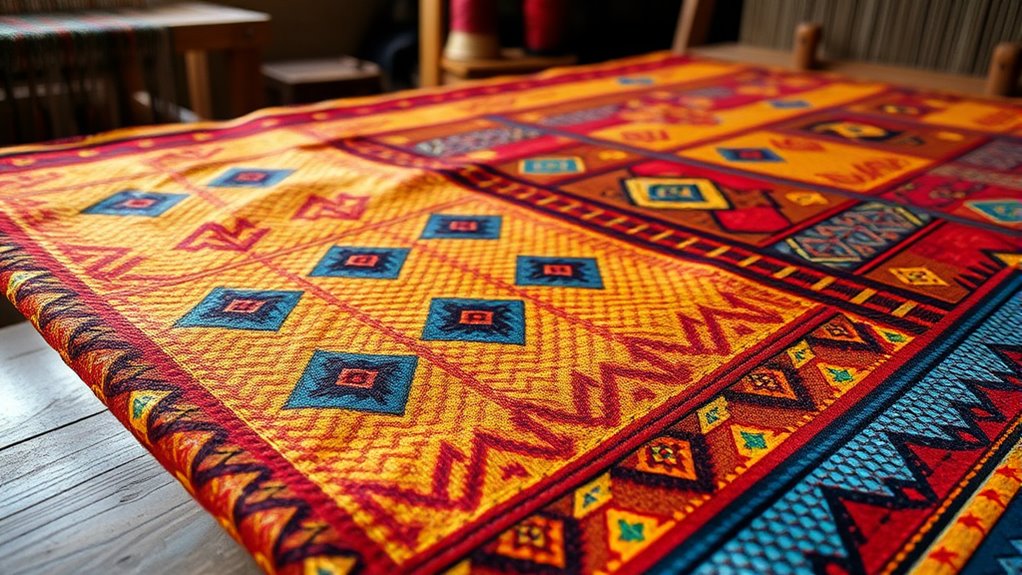

Kente cloth originates from the Akan people of Ghana and has a rich history dating back centuries. It’s more than just a colorful textile; each pattern and color tells a story about social status, history, or spirituality. Weaving involves intricate techniques passed down through generations, making it a symbol of cultural pride. The vibrant designs reflect Ghanaian values and identity. If you explore further, you’ll discover how Kente continues to embody tradition and modernity today.

Get your wardrobe favorites delivered free with Prime
- Fast, free delivery on millions of items
- Prime Video, Amazon Music and more included
- Member-only deals all year
Key Takeaways
- Kente cloth originates from the Akan people of Ghana, symbolizing cultural identity and social status.
- Its patterns and symbols convey proverbs, historical events, and spiritual beliefs.
- Traditionally woven on hand-operated looms using intricate techniques by skilled artisans.
- Colors in Kente represent concepts like wealth, peace, and courage, adding symbolic meaning.
- Worn during ceremonies and passed down through generations, maintaining Ghana’s cultural heritage.

Kente cloth has a rich history rooted in the cultural traditions of the Akan people of Ghana. When you look at a piece of Kente, you’re not just seeing colorful fabric—you’re witnessing a story woven into every thread. The symbolism of patterns is central to Kente’s significance. Each design holds specific meanings, often representing proverbs, historical events, or social values. For instance, certain geometric shapes symbolize royalty, unity, or spiritual beliefs. As you observe the intricate patterns, remember that they serve as a visual language, communicating messages that go beyond words. These symbols are carefully chosen to reflect the wearer’s status, achievements, or aspirations, making Kente a powerful cultural statement. The weaving techniques used in creating Kente are equally fascinating. You might not realize it, but every strip of Kente is meticulously crafted through a complex process that requires skill and precision. Traditionally, artisans use narrow strips of fabric, which are woven on a loom—either hand-operated or traditional foot-powered looms. The weaving technique involves interlacing the weft and warp threads with exact tension, resulting in a tight, durable fabric. The process is labor-intensive, often taking days or even weeks to complete a single piece, depending on its complexity. The artisans’ mastery allows them to produce the vibrant colors and detailed patterns that make Kente unique. The weaving techniques also influence the texture and flexibility of the cloth, which in turn affects how it drapes and feels when worn. Additionally, the choice of color symbolism in Kente is deliberate, with each hue conveying specific messages or qualities. As you explore more about Kente, you’ll see that each pattern and technique is rooted in tradition, passed down through generations. The colors chosen—such as gold, blue, or red—are deliberately selected for their symbolism, conveying messages of wealth, peace, or courage. The weaving process itself is a communal activity, often performed during special ceremonies or festivals, emphasizing the cloth’s importance within the community. When you wear or gift Kente, you’re participating in a rich cultural heritage that celebrates history, identity, and social values. Understanding the symbolism of patterns and weaving techniques enhances your appreciation of Kente’s artistry, revealing it as a living tradition that continues to thrive in Ghana and beyond.
As an affiliate, we earn on qualifying purchases.
Frequently Asked Questions
How Is Kente Cloth Traditionally Woven?
You weave kente cloth using intricate weaving techniques on a loom, carefully selecting colorful threads. The process involves hand-spinning and dyeing the threads with natural dyes, creating vibrant, symbolic patterns. As you weave, you follow traditional patterns passed down through generations, ensuring each piece tells a story. The dyeing processes and weaving techniques combine artistry and skill, resulting in the iconic, culturally significant textile known worldwide for its beauty and craftsmanship.
What Are the Symbolic Meanings of Kente’s Colors?
You’ll find that kente’s colors carry deep cultural symbolism and color significance. For instance, gold symbolizes wealth and royalty, while red represents passion and sacrifice. Green stands for growth and renewal, and blue signifies peace and harmony. These vibrant hues convey specific messages and values, making each piece a powerful expression of identity and tradition. When wearing kente, you’re embracing a rich tapestry of meanings woven into every color choice.
Who Are the Master Kente Weavers?
You might think master kente weavers are just old guys with colorful bobbins, but they’re actually cultural magicians. These artisans master complex weaving techniques that breathe life into kente symbolism, making each piece a story. Their skill passes down through generations, turning threads into vibrant tales of history and tradition. So, when you see kente’s intricate patterns, remember—you’re witnessing the work of true weaving maestros.
How Has Kente Influenced Modern Fashion?
You see how kente influences modern fashion by bringing cultural symbolism into contemporary designs. Designers incorporate its vibrant patterns and rich meanings, making clothing more meaningful and unique. In the fashion industry, kente inspires everything from runway collections to everyday wear, blending tradition with innovation. This connection helps preserve Ghanaian heritage while showcasing its beauty on a global scale, making kente a powerful symbol of cultural identity in modern style.
Are There Regional Variations in Kente Designs?
Yes, there are regional variations in kente designs. You’ll notice different regional patterns that reflect local cultural influences, traditions, and symbols. These variations help to distinguish areas and sometimes specific communities within Ghana. By exploring these regional patterns, you gain insight into the diverse cultural influences that shape each design, celebrating the rich heritage and identity of each community through the intricate and meaningful patterns woven into the fabric.
Conclusion
As you wrap yourself in the vibrant threads of Kente cloth, you’re woven into a rich tapestry of history and culture. Each pattern and color tells a story, like a song sung by the ancestors’ spirits. This iconic textile isn’t just fabric; it’s a living legacy, a shimmering bridge connecting you to Ghana’s soul. So, wear it with pride, knowing you carry centuries of tradition woven into every beautiful, intricate strand.
Halloween Picks
halloween
As an affiliate, we earn on qualifying purchases.