Linen’s journey begins in ancient civilizations where flax was cultivated for its durability and beauty, symbolizing purity and status. Over centuries, traditional techniques like natural retting and handcrafted weaving guaranteed its quality while supporting sustainable practices. Today, modern luxury brands honor this heritage by blending tradition with eco-conscious methods, creating fabrics that connect you to history and craftsmanship. If you explore further, you’ll discover how linen continues to embody elegance and sustainability in the modern world.
Key Takeaways
- Linen originates from the flax plant, cultivated sustainably for thousands of years across ancient civilizations.
- Traditional retting and harvesting methods preserve environmental integrity and highlight linen’s eco-friendly roots.
- Historically, linen symbolized purity, social status, and divine connection in cultures like Egypt.
- The transformation from raw flax to finished fabric involves skilled processes that honor craftsmanship and heritage.
- Modern luxury linen continues to celebrate its cultural significance, blending tradition with sustainable, eco-conscious practices.

Have you ever wondered how a simple fiber transforms into the timeless fabric we comprehend as linen? It all begins with the flax plant, cultivated for thousands of years across various civilizations. When you look at linen, you’re witnessing more than just fabric; you’re seeing a material deeply rooted in history, culture, and sustainability. The process starts with sustainable farming practices, which are essential for maintaining the health of the soil and ensuring the longevity of flax cultivation. Unlike other textiles that depend heavily on chemical treatments, linen production often emphasizes environmentally friendly techniques. Farmers harvest the flax plants carefully, often using traditional methods that minimize environmental impact. This sustainable approach not only reduces pollution but also preserves the land for future generations, making linen a truly eco-conscious choice.
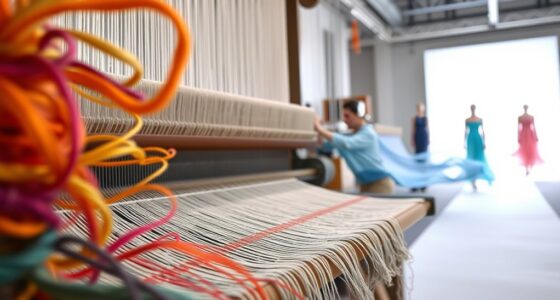
As you explore more about linen’s journey, you’ll notice its profound cultural symbolism. Historically, linen has represented purity, elegance, and social status in many civilizations. Ancient Egyptians, for instance, associated linen with divine connection and royalty. Wearing or owning linen was a sign of prestige, and it played a central role in rituals and ceremonies. Over centuries, linen became a symbol of cleanliness and sophistication, qualities that persist today in modern fashion and interior design. When you choose linen, you’re participating in a tradition that spans thousands of years, connecting you to the cultural values and beliefs of those who first treasured this fabric. Additionally, understanding the sustainable farming practices involved in linen production highlights the importance of environmentally conscious choices in textiles. The transformation from raw flax fibers into soft, durable linen involves a meticulous process. The fibers are extracted through retting, a natural decomposition process that separates the fibers from the stalk. Then, these fibers are cleaned, spun into yarn, and woven into fabric. Each step requires skill, patience, and respect for the material, echoing the cultural significance once placed on craftsmanship. Today, modern techniques have streamlined production, but many brands still prioritize traditional methods to honor linen’s heritage. You can appreciate that behind the luxurious feel of linen lies a rich history of sustainable farming, cultural symbolism, and craftsmanship.
Frequently Asked Questions
How Does Linen Compare Environmentally to Synthetic Fabrics?
Linen is more eco-friendly than synthetic fabrics because it’s made from sustainable farming practices, which reduce environmental impact. You’ll find linen requires less water and energy during production, and it naturally biodegrades. Plus, using eco-friendly dyes minimizes chemical pollution. By choosing linen, you support a sustainable cycle that benefits the planet, unlike synthetics that often rely on petroleum and contribute to pollution and landfill waste.
What Are the Most Common Linen Uses in Modern Fashion?
You might think linen is outdated, but it’s actually your go-to for modern fashion. Its breathable, loungewear comfort makes it perfect for relaxed styles, while its sophisticated look suits formal apparel. Designers love linen for its eco-friendly appeal and versatility. Whether you’re dressing up or lounging, linen provides a stylish, sustainable choice. Embrace its timeless charm and enjoy the perfect blend of comfort and elegance in your wardrobe.
How Is Linen Production Impacting Local Communities Today?
You might not realize it, but linen production impacts local communities through sustainable farming and fair trade practices. When producers adopt sustainable methods, they safeguard ecosystems and ensure long-term crop health. Fair trade practices empower farmers with fair wages and better working conditions, fostering economic stability. This approach helps communities thrive, reduces exploitation, and promotes ethical sourcing, making your linen choices more responsible and beneficial for the people behind the fabric.
What Innovations Are Emerging in Linen Processing Technology?
They say, “Innovation is the mother of progress.” You’ll see emerging linen processing tech like sustainable dyeing, reducing environmental impact, and automated weaving that boosts efficiency and quality. These innovations help produce luxurious linen more responsibly and quickly, meeting modern demands. As these advancements grow, you’ll find linen becoming even more eco-friendly and accessible, ensuring its timeless appeal continues to thrive in a changing world.
How Can Consumers Distinguish High-Quality Linen From Lower-Grade Options?
To tell high-quality linen from lower-grade options, check the fabric texture—premium linen feels smooth, durable, and gets softer with use. Look for certification standards like OEKO-TEX or GOTS, which guarantee the linen meets strict safety and sustainability criteria. You should also examine the weave; tighter, even weaving indicates better quality. These clues help you confidently choose luxurious, long-lasting linen that’s worth your investment.
Conclusion
As you explore linen’s journey from ancient civilizations to modern luxury, you might wonder if its enduring appeal is just tradition or something more. Some believe linen’s natural properties—like breathability and durability—make it unrivaled even today. While science supports these claims, it’s your experience that truly matters. So, next time you wear linen, remember: you’re part of a centuries-old story that’s still thriving, proving that quality and history never go out of style.