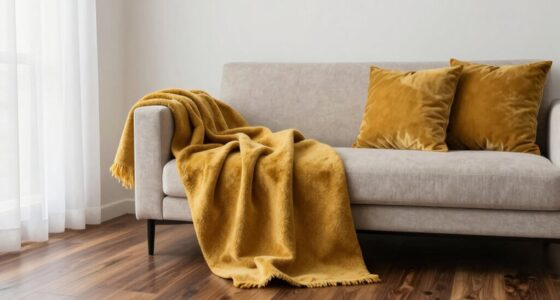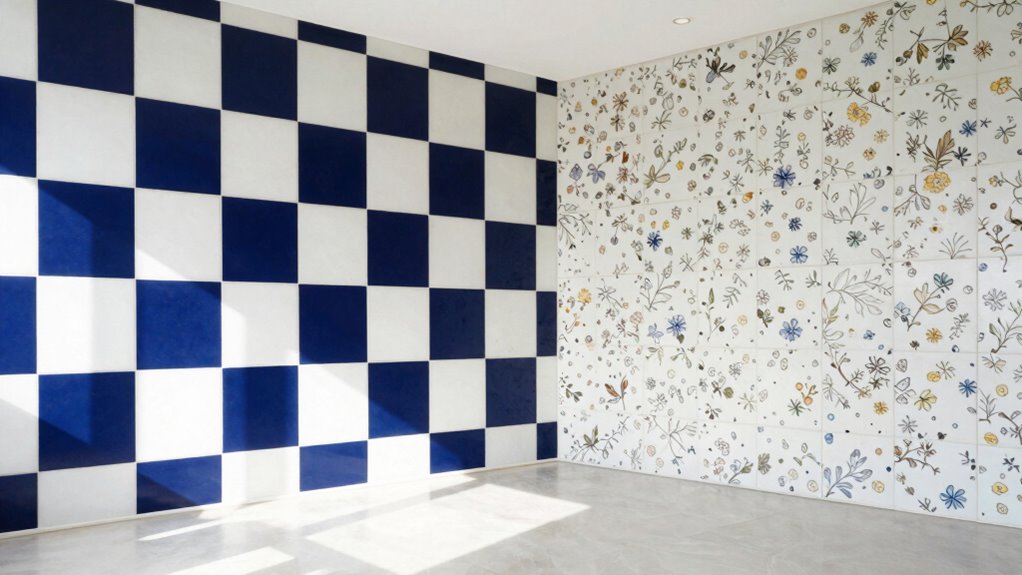

Pattern scale considerably impacts how your space feels and functions. Large patterns draw attention and create bold, dynamic atmospheres, making small rooms seem more spacious and open. Small patterns add subtlety, making areas feel cozy and intimate. The choice of pattern size, combined with color and texture, shapes the mood you want to achieve—whether lively or calming. Exploring these details further reveals how you can tailor your space’s ambiance to reflect your style.

Get your wardrobe favorites delivered free — and shop member deals
- Fast, free delivery on millions of items
- Access to Prime Big Deal Days deals on October 6–7
- Prime Video, Amazon Music and more included
Key Takeaways
- Large patterns create bold focal points and can make small rooms feel more expansive.
- Smaller patterns foster intimacy, making spaces appear cozy and refined.
- Pattern size influences visual weight, affecting the room’s overall mood and atmosphere.
- Large patterns paired with rich textures add depth, enhancing a space’s dynamic feel.
- Smaller patterns with sleek materials produce a subtle, sophisticated ambiance.
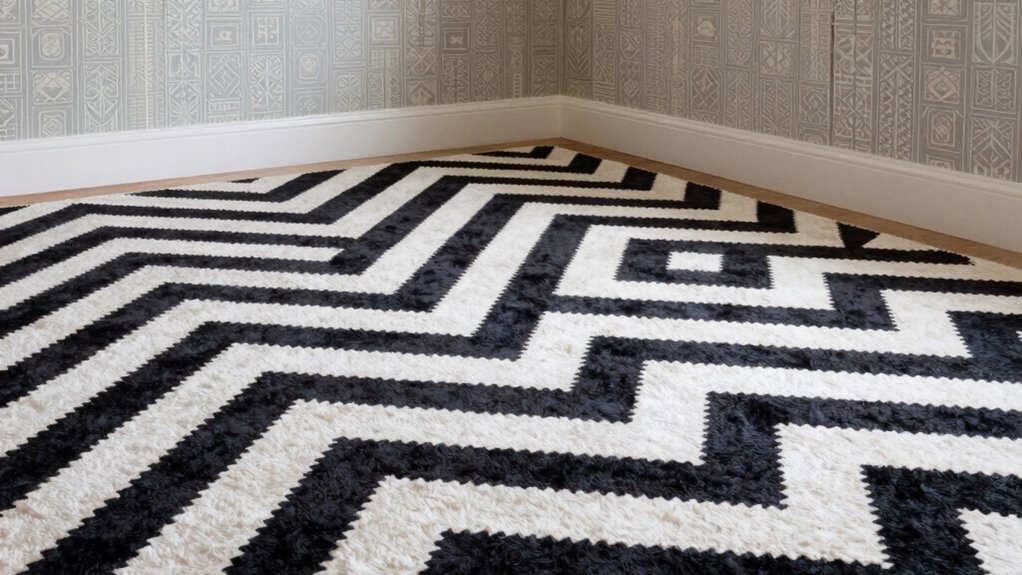
Have you ever noticed how the size of patterns can dramatically influence the way a space feels? When you choose large patterns, they command attention and create a bold, dynamic atmosphere. Smaller patterns, on the other hand, tend to generate a sense of subtlety and refinement. The scale of your patterns directly impacts the visual weight of a room, shaping overall mood and perception. One key factor to consider is color harmony—how the colors in your patterns interact with each other. Large patterns often feature more prominent colors that stand out, making them perfect for creating focal points. Conversely, smaller patterns usually involve more subdued hues, blending seamlessly into the background. This balance allows you to manipulate the space’s energy, whether you want it lively or calm. Material textures also play an essential role in how pattern scale affects your space. When you combine large patterns with rich, tactile textures like velvet or thick woven fabrics, you add depth and dimension. These textures make the patterns feel more substantial, emphasizing their scale. In contrast, smaller patterns paired with smooth, sleek materials such as silk or polished surfaces create a more understated, sophisticated look. The interplay between pattern size and material texture can either amplify or soften the overall ambiance. For example, a large floral pattern on a matte, textured wallpaper might evoke a cozy, inviting vibe, while a small geometric pattern on a glossy surface can lend a modern, minimalist feel. Understanding pattern scale and its relationship with color and material textures gives you greater control over the ambiance and perception of your space. Your choice of pattern scale also influences how your space appears in terms of size. Large patterns can make a small room seem more expansive by drawing the eye across the space, especially when combined with light, neutral tones. Small patterns tend to make a room feel more intimate and cozy because the eye focuses on tiny details rather than sweeping designs. If you want to make a statement or create a sense of openness, larger patterns are often the best option. Additionally, considering natural elements can help you achieve a harmonious design that complements your environment. Incorporating visual perception principles can further enhance how the pattern scale impacts the overall feel of the space. Using color harmony effectively can also help balance the visual weight of patterns and textures, creating a cohesive look. To deepen your understanding, exploring how attention to detail influences overall quality and design consistency is beneficial. If you’re aiming for elegance and subtlety, smaller patterns with carefully curated color harmony and complementary material textures will serve you better.
Large patterns create bold focal points, while small patterns add subtlety and refinement to your space.
Ultimately, understanding how pattern scale interacts with color harmony and material textures empowers you to craft a space that feels just right. Whether you want boldness or serenity, paying attention to these details will help you shape the atmosphere you desire and make your space uniquely yours.
As an affiliate, we earn on qualifying purchases.
Frequently Asked Questions
How Does Pattern Scale Affect Perceived Room Size?
You’ll notice that larger patterns make a room feel more spacious by creating a sense of openness, while smaller patterns can make it feel cozier. Using texture contrast and color harmony in big patterns enhances this effect, drawing your eye and emphasizing space. Conversely, small, intricate patterns add detail and depth, making a room feel more intimate. Adjusting pattern scale helps you control the room’s perceived size and mood effectively.
Can Pattern Scale Influence the Room’s Overall Mood?
They say “beauty is in the eye of the beholder,” and pattern scale truly influences your room’s mood. Larger patterns create a bold, dynamic energy that can evoke excitement or drama, while smaller patterns foster calm and harmony through subtle color harmony and visual rhythm. By choosing the right pattern scale, you set the emotional tone, making your space feel lively or serene based on the mood you want to achieve.
What Pattern Scale Works Best for Small Spaces?
For small spaces, opt for smaller pattern scales to create a sense of visual harmony and avoid overwhelming the room. Smaller patterns add subtle textural contrast without cluttering the space, making it feel more open. Use these delicate patterns on accent walls, cushions, or rugs to enhance the room’s depth while maintaining a balanced, airy atmosphere. This approach keeps your space feeling cozy yet spacious.
How Does Pattern Scale Interact With Different Interior Styles?
You find that pattern scale interacts uniquely with interior styles by enhancing texture contrast and maintaining color harmony. In modern spaces, large patterns add boldness, while in traditional settings, smaller patterns create subtle sophistication. Mixing scales thoughtfully emphasizes key features and balances visual weight. As a result, understanding pattern scale helps you craft cohesive, dynamic environments where texture contrast and color harmony work together seamlessly across different styles.
Is There a Rule for Balancing Pattern Scale With Furniture?
You shouldn’t follow a strict rule, but think of balancing pattern scale with furniture like orchestrating a symphony—every element must harmonize. Use larger patterns for statement pieces and smaller ones for subtle texture contrast, ensuring they don’t overwhelm your space. Keep color harmony in mind, so patterns complement rather than clash. This approach creates a balanced, inviting atmosphere, making your room feel thoughtfully curated instead of chaotic.
Conclusion
By balancing boldness and subtlety in pattern scale, you can beautifully shape your space’s personality. Smaller patterns soften and create intimacy, while larger ones make a bold statement and amplify energy. When you play with pattern size, you personalize your space—making it more inviting, invigorating, or intimate. So, embrace the art of pattern scale, and watch your space transform from simply a room to a sanctuary that speaks your style and spirit.
Fall Picks
fall essentials
As an affiliate, we earn on qualifying purchases.