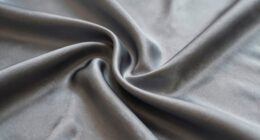
When choosing children’s clothing, opt for fabrics that are both soft and safe, like organic cotton, which is grown without harmful chemicals and feels gentle on sensitive skin. Eco-friendly dyes ensure vibrant colors without exposing your child to toxins. Look for certification labels that promote sustainable production and chemical-free materials. Prioritizing these choices safeguards your child’s health and supports environmental well-being. Keep exploring to discover more ways to dress your child responsibly and comfortably.
Key Takeaways
- Opt for organic cotton, which is grown without harmful chemicals and is naturally soft and breathable for sensitive skin.
- Choose clothing made with eco-friendly dyes to ensure safety from toxic chemicals and skin irritations.
- Look for certified sustainable fabrics that promote responsible farming and eco-conscious manufacturing practices.
- Prioritize clothing free from synthetic finishes, formaldehyde, and toxic chemicals for maximum safety and comfort.
- Select durable, naturally colored fabrics that reduce the need for chemical dyes and enhance long-lasting softness.

Have you ever wondered what makes children’s clothing both fun and functional? It’s a combination of choosing the right fabrics and materials that keep your little ones comfortable while also being safe for the environment. When selecting children’s clothes, one of the most important considerations is the type of dyes used. Eco friendly dyes are a smart choice because they’re produced with fewer harmful chemicals, reducing the risk of skin irritations and allergic reactions. These dyes are often made from natural ingredients or are processed in ways that minimize environmental impact, making them a responsible option for eco-conscious parents. By opting for clothing dyed with eco friendly dyes, you’re not only protecting your child’s delicate skin but also contributing to a healthier planet.
Eco friendly dyes keep children’s clothing safe, vibrant, and gentle on skin while protecting the environment.
Another key factor to think about is the fabric itself. Organic cotton options are increasingly popular because they’re grown without the use of synthetic pesticides or fertilizers. This means your child’s skin isn’t exposed to potentially harmful residues that can be present in conventional cotton. Organic cotton is softer and more breathable, making it ideal for children’s sensitive skin. It also tends to be more durable, so clothes last longer even after multiple washes. When you choose organic cotton, you’re supporting sustainable farming practices that use less water and help preserve ecosystems. These fabrics often come in vibrant, natural colors, reducing the need for chemical dyes altogether, which further decreases your child’s exposure to harmful substances.
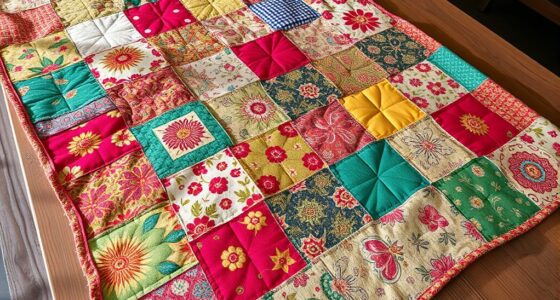
In addition to being safer, organic cotton options often feel gentler against your child’s skin, offering a comfortable fit that encourages active play and all-day wear. Many brands now combine organic cotton with eco friendly dyes, creating a perfect blend of safety and sustainability. You can find adorable patterns and bright colors made with natural dyes, ensuring your child’s wardrobe is both cheerful and environmentally friendly. It’s also reassuring to know that these fabrics are free from toxic chemicals, formaldehyde, and synthetic finishes that can cause skin rashes or discomfort. Choosing clothing made from organic cotton options and dyed with eco friendly dyes shows your commitment to your child’s health and the planet’s well-being.
Furthermore, certified sustainable fabrics are gaining popularity among conscientious parents seeking eco-friendly options. Ultimately, selecting children’s clothing that uses eco friendly dyes and organic cotton options is a simple yet impactful way to promote safety, comfort, and sustainability. It’s about making thoughtful choices that protect your child’s delicate skin while also respecting the environment. You’ll find that these fabrics are not only better for your little one but also align with a lifestyle that values eco-consciousness and responsible consumption. By paying attention to these details, you ensure that every piece of clothing your child wears supports their well-being and a healthier planet for future generations.

Burt's Bees Baby Baby Girls Pajamas, 2-Piece Tee and Pant PJ Set, 100% Organic Cotton, Snug Fit, Soft Sleep Pajama Outfit, Sizes 12 Months to 12 Years PJs
100% Organic Cotton: All Burt's Bees Baby Pajamas Sets are crafted from pure, breathable cotton. Our PJ set…
As an affiliate, we earn on qualifying purchases.
As an affiliate, we earn on qualifying purchases.
Frequently Asked Questions
Are Organic Fabrics Always Safer for Children’s Sensitive Skin?
Organic fabrics aren’t always safer for your child’s sensitive skin, but they usually are. They typically avoid chemical dyes and synthetic fibers, reducing irritation. However, some organic fabrics may still be treated with chemicals or dyes that cause allergies. Always check labels and opt for certified organic options to guarantee minimal chemical exposure. You can also wash new clothes before your child wears them to remove residual chemicals and dyes, making them even safer.
How Can I Tell if a Fabric Is Hypoallergenic?
You can tell if a fabric is hypoallergenic by checking its certification and chemical testing. Look for labels indicating hypoallergenic or allergy-friendly certification, which means it’s been tested to minimize skin reactions. Also, review the fabric’s chemical testing results, ensuring it’s free from harsh dyes and chemicals. These indicators help you choose safe, gentle fabrics that reduce the risk of allergies for your child’s sensitive skin.
What Are the Best Fabrics for Children With Allergies?
Think of your child’s comfort like a gentle stream, flowing smoothly without disturbance. Opt for natural fabrics like organic cotton or bamboo, which are less likely to cause allergic reactions. These fabrics are often dye-free or use safe fabric dyeing methods, reducing irritation. Their durability ensures they withstand repeated washing, maintaining softness and safety. By choosing these, you create a peaceful, allergy-free environment, letting your child’s skin breathe freely and happily.
Do Natural Fabrics Require Special Cleaning to Stay Safe?
Natural fabrics don’t require special cleaning, but you should be mindful of fabric dyeing and chemical finishes. These treatments can sometimes contain allergens or irritants. To keep your child’s clothing safe, wash new garments before wearing, use gentle, fragrance-free detergents, and avoid harsh chemicals. Regularly laundering helps remove any residual dyes or finishes, ensuring the fabric remains soft, safe, and comfortable for sensitive skin.
How Do Fabric Treatments Affect Safety and Softness?
Think of fabric finishes as a protective armor; they can enhance softness but might also introduce chemical treatments that affect safety. These treatments, like waterproofing or wrinkle resistance, often involve chemicals that could irritate sensitive skin or pose health risks. Always check labels for non-toxic, child-friendly finishes. Choosing fabrics with minimal or natural finishes guarantees your child’s comfort and safety, keeping their delicate skin protected from harsh chemical treatments.

Natural Earth Paint Egg Dye Kit – Eco-Friendly, Non-Toxic Easter Egg Coloring for Kids & Adults – 4 Food-Safe Dyes, No Boiling Needed, Mixable Colors, Vegan & Sustainable
Eco-Friendly & Non-Toxic – Made from plant-based dyes including spinach, purple carrot, turmeric, beet, and red cabbage. Safe…
As an affiliate, we earn on qualifying purchases.
As an affiliate, we earn on qualifying purchases.
Conclusion
When choosing clothes for your kids, prioritize safe, soft fabrics to keep them comfortable and protected. Did you know that over 60% of children experience skin irritation from synthetic fabrics? By selecting natural, gentle materials, you can reduce this risk and ensure your child feels cozy all day. Remember, a little extra effort in choosing the right fabrics can make a big difference in your child’s comfort and health.

MONICA + ANDY Two-Piece Shorty Pajama Set, Size 5T, Sushi Rolls Design, 100% Organic Toddler Clothes for Girls & Boys, Super Soft Sustainable Cotton, Toddler, Kids & Teen Sizes
COZY ORGANIC COTTON PAJAMAS: This slim and snug-fitting two-piece shorty pajama set is made with 100% organic cotton…
As an affiliate, we earn on qualifying purchases.
As an affiliate, we earn on qualifying purchases.

Butterblu Taylor 5-Pack Short Sleeve T-Shirts 100% Organic Cotton for Boys & Girls, Frost, 3T
100% ORGANIC COTTON: We made everything from premium butter-soft GOTS certified organic cotton so it’s all super gentle…
As an affiliate, we earn on qualifying purchases.
As an affiliate, we earn on qualifying purchases.