Hemp fabric is transforming industries with its sustainability and versatility. You can find it in eco-friendly clothing that’s stylish, breathable, and naturally antibacterial. It’s also valued for industrial uses like durable ropes and biodegradable packaging. Additionally, hemp enhances home decor with rustic, eco-conscious textiles for upholstery and curtains. Its eco-friendly growth and biodegradability support a circular economy. Keep exploring to discover even more innovative ways hemp fabric is shaping a sustainable future.
Key Takeaways
- Hemp fabric is used in sustainable clothing due to its breathability, antibacterial properties, and eco-friendly cultivation.
- Its high tensile strength makes hemp ideal for industrial applications like ropes, cords, and biodegradable packaging.
- Hemp textiles are increasingly utilized in home decor, such as upholstery and curtains, offering rustic, eco-conscious interior options.
- The crop’s ability to absorb CO2 and restore soil health supports environmental sustainability and circular economy initiatives.
- Hemp’s versatility is expanding into innovative sectors, combining durability, biodegradability, and eco-responsibility across industries.
Have you ever wondered how hemp fabric is transforming various industries? It’s more than just a durable material; it’s a game-changer in sustainable fashion and eco friendly textiles. As consumers become increasingly conscious of their environmental footprint, hemp offers a natural alternative that doesn’t compromise on quality or performance. Its versatility allows it to be used in a wide range of products, from stylish clothing to sturdy ropes, making it a popular choice for brands committed to eco-conscious practices.
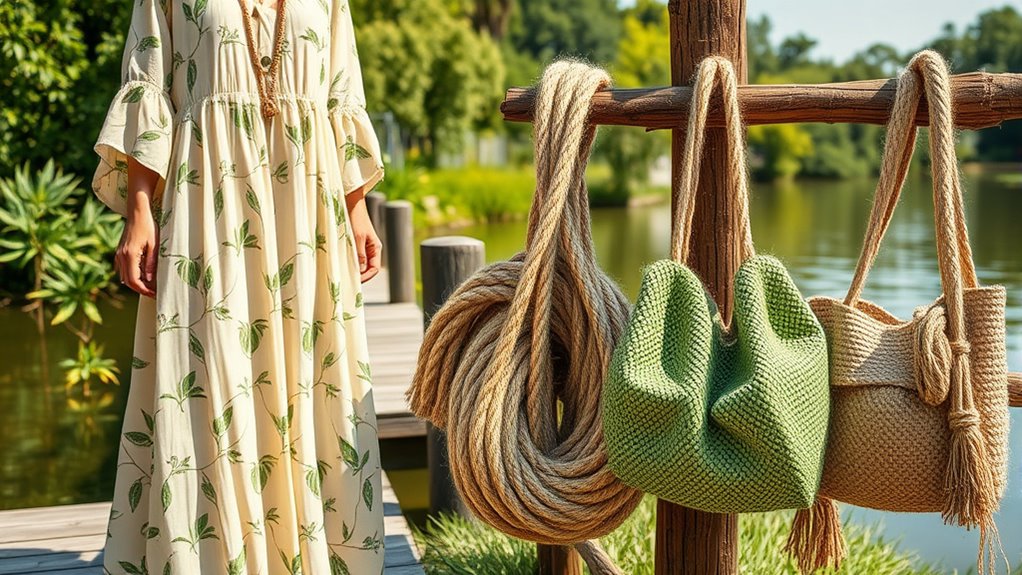
In the sphere of sustainable fashion, hemp fabric stands out because it’s inherently eco-friendly. Unlike conventional textiles that rely heavily on water, pesticides, and synthetic chemicals, hemp requires minimal resources to grow. It grows quickly, absorbs CO2 efficiently, and depletes fewer nutrients from the soil, making it a sustainable crop. When you choose hemp clothing, you’re opting for apparel that’s not only stylish and comfortable but also reduces environmental harm. Designers increasingly incorporate hemp into their collections because it pairs well with other eco friendly textiles, creating garments that are both fashionable and environmentally responsible. Hemp fibers are naturally antibacterial, breathable, and resistant to UV rays, which means your clothing stays fresh longer and requires less washing, further reducing water and energy consumption.
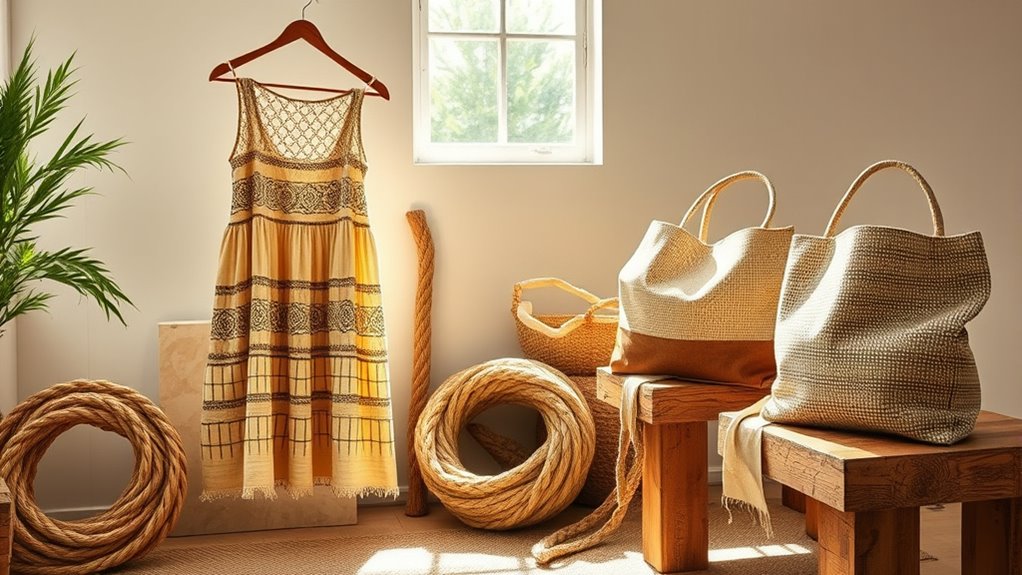
Beyond fashion, hemp fabric’s strength and durability make it ideal for applications like ropes, cords, and industrial textiles. Its high tensile strength makes it perfect for heavy-duty uses, while its resistance to rot and UV damage ensures longevity. Whether it’s for maritime ropes, outdoor gear, or even biodegradable packaging, hemp’s properties make it a sustainable choice that replaces synthetic and non-biodegradable alternatives. Its ability to decompose naturally also means it leaves a smaller ecological footprint once disposed of, aligning with a circular economy approach.
Hemp’s strength and biodegradability make it ideal for durable, eco-friendly industrial and packaging applications.
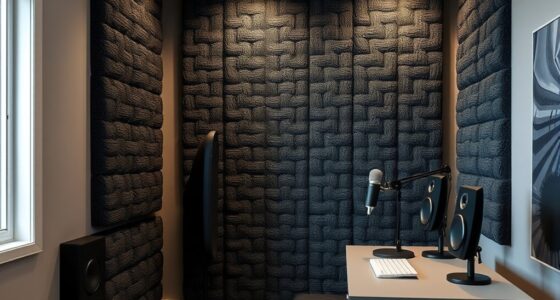
Hemp’s versatility extends into home goods, too. From eco friendly textiles used in upholstery to biodegradable curtains, the fabric’s strength and sustainability appeal to eco-conscious homeowners. Its natural texture adds a rustic, earthy aesthetic that fits well with eco-friendly interior design. Additionally, the cultivation of hemp can promote soil restoration, which enhances land health and reduces the need for chemical fertilizers. As more industries recognize hemp’s potential, it’s clear that this versatile plant is helping to shape a future where sustainability and innovation go hand in hand. So, whether you’re interested in sustainable fashion, durable industrial products, or eco-friendly home textiles, hemp fabric offers a promising, environmentally responsible alternative that continues to expand its applications across various sectors.
Frequently Asked Questions
How Does Hemp Fabric Compare to Organic Cotton in Durability?
Hemp fabric generally surpasses organic cotton in durability, making it a better choice for long-lasting clothing and accessories. In durability comparison, hemp’s fibers are stronger and more resistant to wear and tear, which enhances fabric longevity. You’ll notice that hemp holds up well over time, resisting stretching and fraying better than organic cotton. So, if you want resilient, enduring fabric, hemp is a smart option for your sustainable wardrobe.
Are There Any Health Risks Associated With Hemp Fabric Production?
While hemp fabric production offers eco-friendly benefits, you should be aware of potential health risks. Chemical exposure from processing chemicals can cause irritation or allergies in some individuals, and there’s a small allergenic potential. However, these risks are generally minimal when proper safety measures are followed. You can reduce exposure by choosing hemp products made with organic or minimally processed methods, ensuring safer, sustainable clothing options.
Can Hemp Fabric Be Recycled or Biodegrade Easily?
Yes, hemp fabric can be recycled and biodegrade easily. The biodegradation process is natural, breaking down hemp fibers quickly without harming the environment. You can also use recycling methods like mechanical or chemical recycling to repurpose hemp textiles, reducing waste. This eco-friendly fabric supports sustainability because it decomposes faster than synthetic materials, making it a responsible choice for environmentally conscious consumers.
What Are the Cost Differences Between Hemp and Synthetic Textiles?
Imagine walking through a marketplace where hemp’s price tag is like a sturdy oak, while synthetic textiles shimmer like a fleeting mirage. You’ll find that hemp often costs more upfront due to a detailed cost analysis and sustainable farming practices. Market pricing varies, but synthetics usually remain cheaper initially. However, over time, hemp’s durability and eco benefits may balance the scales, making it a smart, long-term investment.
How Does Hemp Fabric Perform in Extreme Weather Conditions?
Hemp fabric performs well in extreme weather conditions, thanks to its natural weather resistance and moisture management. You’ll find it durable in both wet and dry environments, as it resists mold and mildew. Its breathability helps regulate temperature, keeping you comfortable during intense heat or cold. Overall, hemp’s resilience makes it a reliable choice for outdoor gear and clothing, even in challenging weather conditions.
Conclusion
As you explore hemp fabric’s versatile uses, it’s clear you’re stepping into a future where sustainable choices matter. From eco-friendly clothing to sturdy ropes, hemp’s potential is limitless. Imagine a world where you wear the same fabric as sailors of yore, but with modern flair. Embrace hemp’s innovations today and help shape a greener tomorrow—because, who knows, maybe someday your hemp shirt will be a sought-after relic, like a true artifact of change.