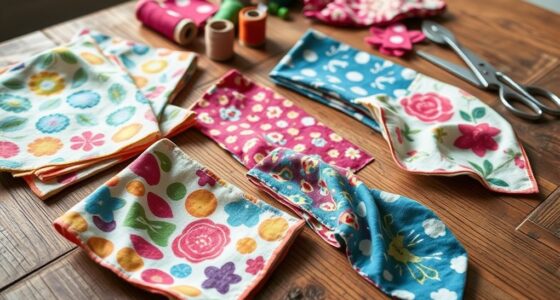
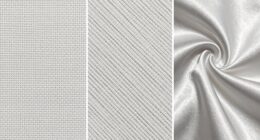
When choosing fabric for your DIY tote bags, opt for recycled materials like denim, canvas, or burlap for durability and eco-friendliness. Thicker, tightly woven fabrics resist tearing and hold up well to daily use, especially if reinforced with double stitching. Lighter fabrics are suitable for casual purposes but may need extra support. To guarantee your tote lasts, selecting the right fabric based on how you’ll use it is key—keep exploring to get the best tips and ideas.
Key Takeaways
- Opt for thick, tightly woven fabrics like recycled denim or canvas for enhanced durability and resistance to wear.
- Consider the tote’s intended use; heavier items require sturdier fabrics such as recycled burlap or canvas.
- Reinforce seams with double stitching or seam binding to extend the bag’s lifespan, especially with thicker fabrics.
- Pre-wash recycled fabrics to remove odors and dirt, ensuring longevity and better performance over time.
- Balance durability with style by choosing eco-friendly recycled materials that can be customized with embellishments.
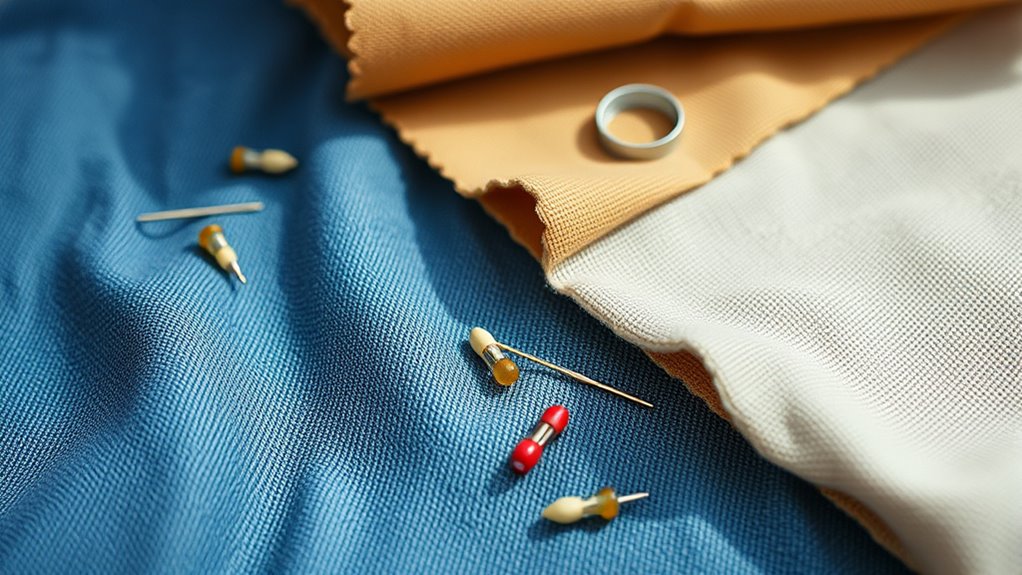
Have you ever wanted a stylish, eco-friendly bag that you can customize to match your personality? Making your own tote bag lets you do exactly that, especially when you choose the right fabric for durability. The key is selecting materials that not only look good but also stand up to daily use. Recycled fabrics are an excellent option because they’re eco-conscious and often sturdy enough for a tote. Think recycled canvas, old denim, or even repurposed burlap—each offers a unique look and helps reduce waste. These materials tend to be thick and resilient, making them perfect for a bag that will carry your essentials for years to come.
When you’re picking fabric, consider how you’ll incorporate decorative embellishments. Durable fabrics provide a solid base for adding personal touches like embroidered patches, fabric paint, or sewn-on appliqués. These embellishments can turn a simple tote into a statement piece that reflects your style. For example, you might add colorful stitching along the seams or attach decorative patches made from leftover fabrics. Since you’re working with recycled materials, you can experiment freely without worrying about wasting expensive fabric if your design doesn’t turn out as planned. This flexibility encourages creativity and helps you craft a tote that’s truly one of a kind.
Choosing the right fabric also means thinking about how the bag will be used. If you want a tote that holds heavier items, go for thicker, tightly woven materials like recycled denim or sturdy canvas. These fabrics resist tearing and fraying, especially when reinforced with double stitches or seam binding. For lighter daily use, recycled cotton or linen can work well—they’re breathable and less stiff, making your tote comfortable to carry. Remember, some recycled fabrics may need a bit of pre-washing to remove any residual odors or dirt, ensuring your finished bag looks fresh and lasts longer.
Additionally, understanding Ring Security Cameras can help you monitor and protect your handmade creations if you store them in a dedicated space or showcase them publicly. Whichever recycled materials you pick, your focus should be on durability and how well they complement your creative ideas. With a thoughtful selection of fabric, your DIY tote will not only be stylish and personalized but also durable enough to handle everyday wear and tear. Plus, using recycled materials helps you contribute to sustainability—adding a meaningful touch to your handmade accessory.
Top picks for "tote bags choos"
Open Amazon search results for this keyword.
As an affiliate, we earn on qualifying purchases.
Frequently Asked Questions
What Is the Best Eco-Friendly Fabric Option for Tote Bags?
The best eco-friendly fabric for tote bags is organic cotton. Its fabric weaving creates a sturdy, durable material, perfect for daily use. Plus, organic cotton uses dye sustainability practices, reducing environmental impact. You’ll find it naturally breathable and biodegradable, making it an excellent sustainable choice. By choosing organic cotton, you support eco-conscious production while creating a durable, stylish tote bag that’s kind to the planet.
How Does Fabric Weight Affect Tote Bag Durability?
You might think heavier fabric always means a more durable tote bag, and there’s truth to that. Thicker fabric with a tight fabric weave offers higher tensile strength, making it more resistant to tearing and wear. As fabric weight increases, so does its ability to withstand daily use. So, selecting a heavier weight with a dense weave ensures your tote bag stays sturdy, even after frequent trips and heavy loads.
Can I Use Recycled Materials for a Sturdy Tote Bag?
Yes, you can use recycled materials for a sturdy tote bag. Recycled fabric options like old denim, canvas, or heavy-duty plastic bags work well because they’re durable and eco-friendly. By choosing sustainable material choices, you guarantee your tote bag is both strong and environmentally conscious. Just make sure the recycled fabric is thick enough to withstand daily use, and reinforce seams for added durability.
What Fabric Treatments Enhance Tote Bag Longevity?
To enhance your tote bag’s longevity, consider applying fabric waterproofing to safeguard against moisture and stains. Additionally, reinforce seams with extra stitching or seam tape to prevent tearing over time. These treatments strengthen the bag, making it more durable for daily use. Regularly reapplying waterproofing and inspecting seams ensures your tote stays sturdy and functional, even with frequent carrying.
Are There Specific Fabrics Recommended for Heavy Loads?
For heavy loads, choose fabrics with a tight weave, like canvas or denim, as they provide extra strength and durability. Look for options with moisture resistance to prevent damage from spills or rain, keeping your bag sturdy over time. These fabrics are ideal because their dense weave and water-resistant treatments guarantee your tote bag can handle weight and weather, making it perfect for daily use.
Conclusion
Choosing the right fabric makes all the difference in creating a durable tote bag. Did you know that polyester blends can last up to 50% longer than cotton alone? By selecting sturdy materials, you guarantee your tote stands up to daily wear and tear. So, pick wisely and craft a bag that’s not only stylish but also built to last. With the right fabric, your DIY tote will serve you well for years to come.