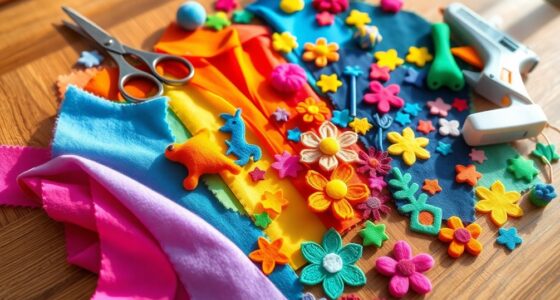
Zero-waste sewing helps you maximize fabric efficiency by designing patterns that use the entire fabric without leftover scraps. You plan carefully to arrange pattern pieces, rethinking traditional shapes to fit within fabric constraints. creatively, you incorporate scraps into accents or decorations, reducing waste and promoting sustainable practices. This approach not only saves fabric but also builds your skills and eco-conscious mindset. To learn more about how you can master these techniques, keep exploring the concepts behind zero-waste sewing.
Key Takeaways
- Design pattern layouts that utilize the entire fabric width and grain to minimize scraps.
- Plan garment pieces strategically to fit together efficiently, reducing leftover material.
- Incorporate fabric scraps into garment details like pockets, embellishments, or decorative accents.
- Adjust pattern shapes and measurements to optimize fabric use and avoid unnecessary waste.
- Embrace mindful craftsmanship by rethinking traditional patterns and repurposing all fabric remnants.

Zero-waste sewing is a sustainable approach that aims to eliminate fabric waste during the clothing construction process. Instead of discarding fabric scraps, you design patterns that make full use of every inch of fabric, reducing environmental impact and promoting mindful craftsmanship. When you focus on pattern design, you start by thinking about how each piece fits together to maximize fabric efficiency. This means creating patterns that utilize the entire cloth, minimizing leftover scraps that often end up as waste. By integrating this method into your sewing practice, you not only cut down on waste but also challenge yourself creatively, finding innovative ways to piece garments together.
Zero-waste sewing uses full fabric utilization, reducing waste and inspiring creative, sustainable garment design.
As you plan your project, you’ll notice that fabric scraps are no longer just remnants to be thrown away. Instead, they become opportunities for creativity—small accents, pockets, or decorative elements. You learn to see scraps as valuable components rather than waste, which encourages you to think differently about how garments are constructed. Carefully considering pattern design allows you to arrange pattern pieces in a way that fits the fabric’s grain and width, ensuring minimal leftover material. This might mean rethinking traditional patterns or adjusting measurements to fit within the fabric’s constraints, but the benefits are worth the effort.
When you master zero-waste pattern design, you develop an eye for detail and efficiency. You’ll learn to optimize layout, reducing the amount of fabric needed and cutting down on scraps. For example, you might combine multiple pattern pieces into a single layout or adapt shapes to fit seamlessly within the fabric’s available space. This process demands precision but rewards you with a cleaner, more sustainable sewing process. You’ll find that well-planned pattern design not only reduces waste but also enhances your skills, pushing you toward more innovative and eco-conscious garment creation.
Ultimately, zero-waste sewing empowers you to sew with purpose. By paying attention to fabric scraps and carefully designing patterns, you’re actively participating in environmental preservation. You become more aware of your material consumption and develop a deeper appreciation for sustainable practices. This approach challenges you to think beyond the finished piece and consider the entire lifecycle of your garments. As you refine your pattern design skills, you’ll enjoy the satisfaction of creating beautiful, functional clothing with minimal waste, proving that sustainability and style can go hand in hand. Additionally, understanding how to maximize fabric efficiency helps you conserve resources and reduce costs over time.

Zero Waste Patterns: 20 Projects to Sew Your Own Wardrobe
As an affiliate, we earn on qualifying purchases.
As an affiliate, we earn on qualifying purchases.
Frequently Asked Questions
What Types of Fabrics Are Best Suited for Zero-Waste Sewing?
You should choose fabrics with good fabric durability and colorfast qualities for zero-waste sewing. Natural fabrics like linen, cotton, and silk work well because they’re easy to cut and sew with minimal waste. These fabrics maintain their color and strength over time, ensuring your finished piece lasts. Opt for fabrics that are stable and flexible, making it easier to create efficient, waste-free designs that stay beautiful and durable.
How Can I Adapt Patterns for Zero-Waste Designs?
To adapt patterns for zero-waste designs, start with pattern modification that minimizes fabric waste. Experiment with fabric layout by rearranging pattern pieces to fit efficiently on your fabric, often in angular or tessellated arrangements. You can also combine multiple pattern pieces into a single, continuous piece. Keep testing and refining your layout until you maximize fabric use, ensuring no scraps are left behind.
Are There Specific Tools Recommended for Zero-Waste Sewing Projects?
You should consider using reusable cutting mats and pattern drafting software for your zero-waste sewing projects. Reusable cutting mats protect your workspace and make precise cuts easier, reducing fabric waste. Pattern drafting software helps you design efficient patterns that maximize fabric use and adapt to zero-waste principles. These tools streamline your process, save materials, and enhance accuracy, making your zero-waste sewing more effective and enjoyable.
How Do I Handle Complex Shapes With Minimal Fabric Waste?
Ever wondered how to tackle complex shapes with minimal waste? You’ll want to master fabric layout and pattern drafting, which help you visualize and optimize fabric use. Start by sketching your design, then experiment with pattern pieces that interlock like a puzzle. Adjust shapes to fit the fabric’s grain and incorporate seam allowances smartly. This strategic approach guarantees you handle intricate designs efficiently, reducing waste and creating beautiful, resourceful garments.
Can Zero-Waste Techniques Be Applied to Clothing Alterations?
Yes, you can apply zero-waste techniques to clothing alterations by using fabric recycling and pattern modification. Instead of discarding leftover fabric, you creatively reuse scraps for patches or design elements. You modify existing patterns to minimize waste, adjusting seams and shapes to fit the new garment. This sustainable approach not only reduces waste but also adds unique, personalized touches, making your alterations eco-friendly and stylish.

Fiskars 5" Recycled Micro-Tip Fabric Scissors – Sustainable, Sharp, Detail Craft Scissors for Embroidery and Sewing – Craft and Fabric Cutting – Beige
SEWING, ARTS, AND CRAFTS STAPLE: Fiskars Micro-Tip sewing scissors for fabric cutting and making clean cuts on intricate…
As an affiliate, we earn on qualifying purchases.
As an affiliate, we earn on qualifying purchases.
Conclusion
By embracing zero-waste sewing, you’re like a master gardener tending to every inch of your fabric garden, ensuring nothing goes to waste. With mindful planning and creative cuts, you can transform scraps into beautiful, functional pieces. Each project becomes a demonstration of your respect for resources, turning your sewing space into a thriving ecosystem. Keep nurturing your skills, and watch your sustainable sewing practice blossom into a vibrant, waste-free masterpiece.
![Univivi Foldable Fabric Storage Boxes Large Storage Bins with Lids [4-Pack] Collapsible Storage Cube Organizer, Closet & Bedroom Organization Containers, Home Storage Cube Box (Gray, 17“ x 12” x 12")](https://m.media-amazon.com/images/I/41aimVoAvpL._SL500_.jpg)
Univivi Foldable Fabric Storage Boxes Large Storage Bins with Lids [4-Pack] Collapsible Storage Cube Organizer, Closet & Bedroom Organization Containers, Home Storage Cube Box (Gray, 17“ x 12” x 12")
【Durable & Sturdy Construction】- Built to last, these lidded storage bins feature reinforced cardboard frames and high-quality non-woven…
As an affiliate, we earn on qualifying purchases.
As an affiliate, we earn on qualifying purchases.
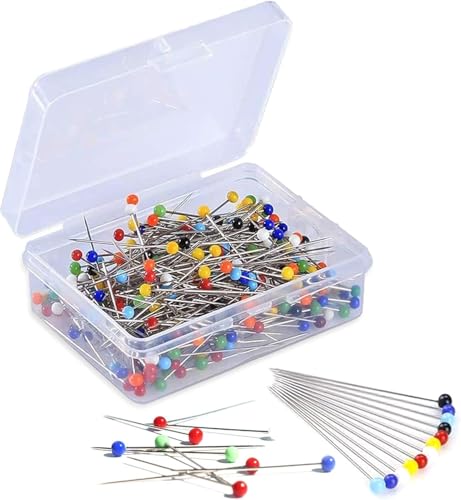
MINTHE 100PCS Sewing Pins for Fabric, Straight Pins Sewing with Pearlized Colored Heads, Quilting Supplies, Pearl, Stick, Corsage, Head
These Sewing Pins for fabric are perfect Sewing supplies & Quilting supplies. With a Stainless Steel Pin they…
As an affiliate, we earn on qualifying purchases.
As an affiliate, we earn on qualifying purchases.