Canvas and duck cloth are both sturdy woven fabrics, but they differ in weight, flexibility, and typical uses. Canvas is heavier, more durable, and often treated for water resistance, making it ideal for outdoor gear and rugged projects. Duck cloth is lighter, softer, and more pliable, perfect for clothing, tents, and upholstery. Choosing between them depends on whether you need strength or flexibility—exploring further reveals which fabric better fits your needs.

Get your wardrobe favorites delivered free — and shop member deals
- Fast, free delivery on millions of items
- Access to Prime Big Deal Days deals on October 6–7
- Prime Video, Amazon Music and more included
Key Takeaways
- Canvas is heavier, thicker, and more durable, ideal for rugged, long-lasting outdoor projects.
- Duck cloth is lighter, softer, and more flexible, suitable for upholstery and lightweight applications.
- Canvas offers higher water resistance, especially when treated, making it better for outdoor use.
- Duck cloth is historically used for clothing, tents, and military uniforms due to its pliability.
- Choice depends on project needs: durability and weight favor canvas; flexibility and softness favor duck cloth.
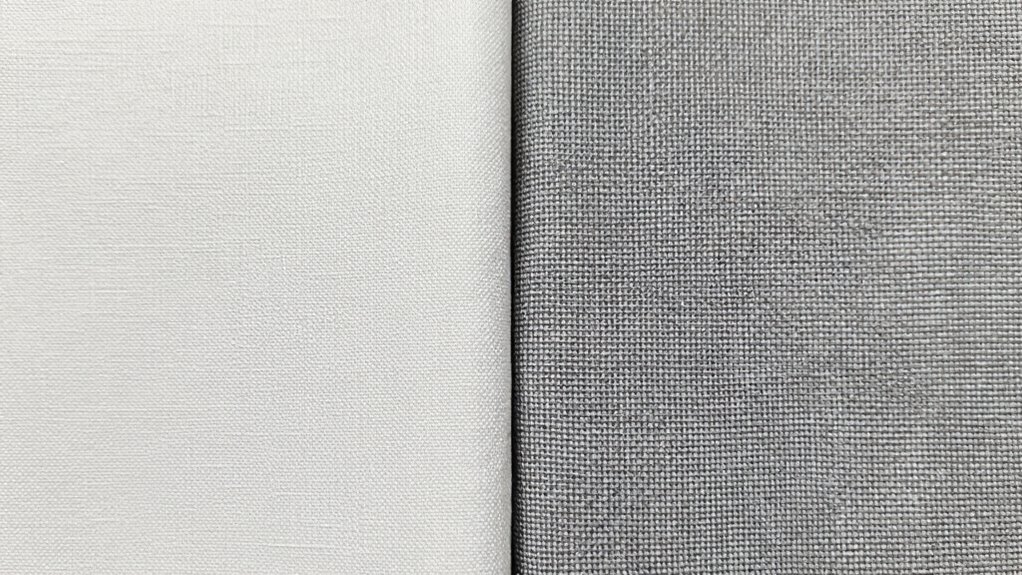
When choosing fabric for your project, understanding the differences between canvas and duck cloth can make all the difference. Both fabrics are sturdy, woven materials, but they serve different purposes and have unique characteristics shaped by their history and construction. Knowing their historical applications and fabric durability helps you pick the right one for your needs. Canvas has a rich history that dates back centuries. Originally, it was used by sailors and explorers because of its strength and ability to withstand harsh conditions. Historically, it’s been employed in making sails, tents, and heavy-duty bags. Its durability is one of its standout features, making it ideal for projects that require long-lasting, rugged material. Over time, canvas has been adopted for art, upholstery, and outdoor gear, thanks to its resilience. When you opt for canvas, you’re choosing a fabric that’s proven to hold up under stress and frequent use, making it perfect for items like backpacks, workwear, or outdoor furniture covers. Additionally, canvas’s water resistance can be enhanced with treatments, further increasing its suitability for outdoor applications. It’s also worth noting that the weight and weave tightness of canvas can vary, affecting its overall durability and water resistance.
Duck cloth, on the other hand, has a slightly different background. It originated as a lighter, more versatile alternative to canvas, with its name deriving from the Dutch word “doek,” meaning cloth. Duck cloth was traditionally used for clothing, tents, and even military uniforms in the 19th and early 20th centuries. Its historical applications highlight its adaptability and strength, but it’s generally considered a lighter, softer fabric compared to canvas. The fabric’s durability is still commendable, but it’s often chosen for projects where a balance of strength and flexibility is desired. Today, duck cloth is popular for items like curtains, upholstery, and workwear, especially where a softer, more pliable fabric is advantageous. Both fabrics can be treated to enhance water resistance and longevity, but canvas inherently offers a more rugged performance. For projects requiring a more flexible fabric, duck cloth’s pliability makes it a suitable choice.
Ultimately, your choice hinges on what you’re making. If you need a durable, heavyweight fabric that can endure tough conditions, canvas is your best bet. If you want a lighter, more flexible material with historical versatility, duck cloth fits the bill. Understanding their historical applications and fabric durability helps you select the right fabric for your project’s demands.
As an affiliate, we earn on qualifying purchases.
Frequently Asked Questions
Are Canvas and Duck Cloth Suitable for Outdoor Furniture?
Yes, both canvas and duck cloth are suitable for outdoor furniture because of their fabric durability and material versatility. You’ll find they withstand weather conditions well, especially when treated for water resistance. Canvas offers a sturdy, breathable option, while duck cloth’s tighter weave provides extra durability. Both fabrics age gracefully outdoors, making them practical choices for cushions, covers, or upholstery on outdoor furniture.
How Do I Clean and Maintain Canvas and Duck Cloth?
Did you know that properly maintained outdoor fabrics like canvas and duck cloth can last over five years? To clean them, use gentle cleaning techniques—spot clean with mild soap and water, then air dry. Regularly brush off dirt and stains to preserve fabric durability. Avoid harsh chemicals or high-pressure washers, which can damage the fabric. With proper care, your outdoor fabrics stay vibrant and durable for years.
Can Duck Cloth Be Waterproofed?
Yes, you can waterproof duck cloth using various waterproofing methods like applying a silicone-based or wax coating. These methods enhance the fabric’s durability and make it resistant to water. To guarantee long-lasting protection, clean the fabric thoroughly before applying, and follow the product instructions carefully. Regular reapplication will help maintain the waterproof barrier, keeping your duck cloth water-resistant and durable over time.
Which Fabric Is More Eco-Friendly—Canvas or Duck Cloth?
Ever wonder which fabric is more eco-friendly? Both canvas and duck cloth score well regarding fabric durability and textile sourcing, but duck cloth often uses less resource-intensive production methods. It’s typically made from natural fibers, making it a slightly greener choice. By choosing duck cloth, you support sustainable textiles, but always check for certifications to guarantee eco-conscious sourcing. Isn’t making mindful choices part of caring for our planet?
Are There Color or Pattern Options for Both Fabrics?
Both canvas and duck cloth come in a variety of colors and patterns, offering great aesthetic versatility. You’ll find options ranging from solid hues to bold prints, making it easy to match your style. These fabrics are known for their fabric durability, so your chosen pattern or color will stay vibrant over time. Whether you prefer classic or modern looks, both fabrics provide ample choices to suit your design needs.
Conclusion
So, here you are, armed with all the knowledge about canvas and duck cloth, thinking you’ve made the perfect choice. Ironically, whether you pick the sturdy, versatile canvas or the durable duck cloth, you’re still left deciding which fabric will hold up best against your daily wear and tear. Sometimes, the more you learn, the more you realize that in the end, it’s just fabric—though, of course, one’s bound to outlast the other!
Fall Picks
fall essentials
As an affiliate, we earn on qualifying purchases.