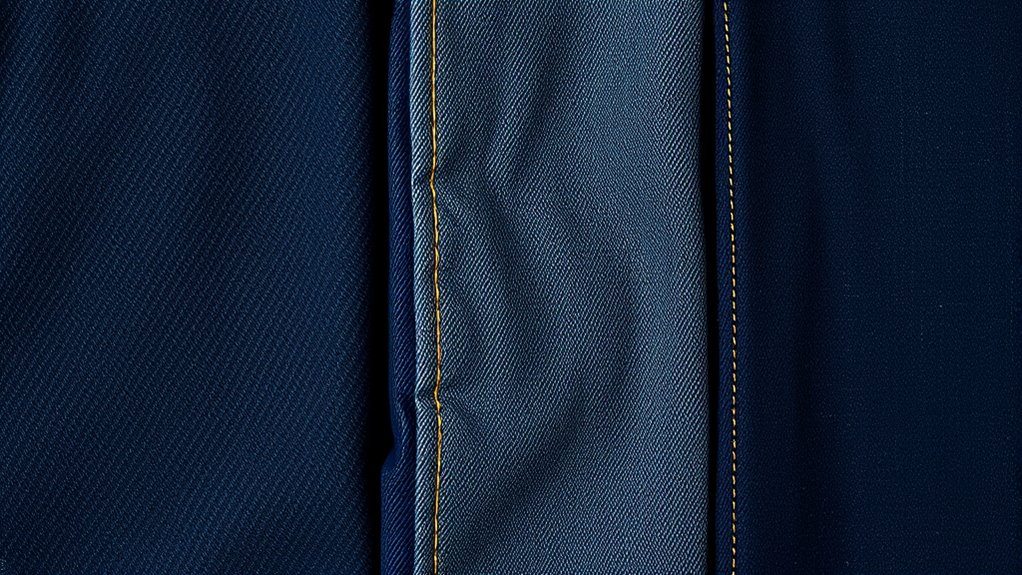
Knowing the differences between raw, selvedge, and stretch denim helps you choose the right style. Raw denim is stiff and unwashed, developing unique fades over time with wear. Selvedge denim, woven on vintage shuttle looms, features a clean, durable edge that resists fraying. Stretch denim blends elastic fibers for added comfort and flexibility. Each type reflects unique manufacturing processes and qualities—continue exploring to discover how these styles can elevate your wardrobe and fit your lifestyle.
Key Takeaways
- Raw denim is unwashed after dyeing, developing unique fades over time with wear.
- Selvedge denim features tightly woven edges on vintage shuttle looms, indicating high quality.
- Stretch denim contains elastic fibers like spandex for enhanced comfort and flexibility.
- Raw denim maintains its original stiffness and deep indigo color, offering a personalized fade.
- Each denim type reflects different manufacturing techniques, affecting durability, appearance, and fit.

Have you ever wondered what makes different denim styles unique? The answer lies in their history and the manufacturing processes behind them. Denim has a long, rich past that dates back centuries, originating in the French town of Nîmes in the 17th century. Originally crafted from durable cotton twill fabric, denim was designed for hardworking laborers, which explains its sturdy nature. Over time, the history of denim has evolved as techniques improved and manufacturing processes became more sophisticated. Today, denim manufacturing involves several steps—dyeing, weaving, and finishing—that influence the look and feel of each style. For example, raw denim is created using a traditional process where the fabric is unwashed after dyeing, preserving its stiff texture and deep indigo color. This method emphasizes the craftsmanship and allows wearers to develop unique fades over time. On the other hand, selvedge denim is distinguished by its tightly woven edges, produced on vintage shuttle looms, which create a clean, finished edge resistant to fraying. These edges are a hallmark of high-quality denim and are highly prized by enthusiasts who appreciate the meticulous craftsmanship involved. Stretch denim, however, introduces a different dimension to the traditional fabric; it incorporates elastic fibers like spandex or elastane during manufacturing, giving it a flexible, comfortable fit. The advent of stretch denim reflects modern innovations in textile technology, making denim more adaptable to contemporary lifestyles. Each of these types of denim showcases how manufacturing processes can dramatically alter the final product. Raw denim’s process involves minimal treatment, preserving the original dye and texture, which allows wearers to personalize their jeans through natural fading. Selvedge denim’s weaving technique, which uses shuttle looms, produces a denser, more durable fabric with a distinctive edge, often considered a sign of premium quality. Additionally, the development of sustainable denim practices is shaping the future of this industry by reducing environmental impact and promoting eco-friendly materials. Stretch denim’s manufacturing process involves blending traditional cotton with elastic fibers, resulting in a fabric that maintains its shape and offers superior comfort. Understanding the history of denim and its manufacturing processes helps you appreciate the distinct qualities of each style. Whether you prefer raw denim’s raw authenticity, selvedge denim’s craftsmanship, or stretch denim’s comfort, knowing how they’re made adds depth to your appreciation. These differences aren’t just about aesthetics—they also influence how the fabric ages, how it fits, and how long it lasts. Each type reflects a different approach to denim creation, rooted in tradition or innovation, giving you options tailored to your lifestyle and style preferences. So, next time you pick out a pair of jeans, consider the story and craftsmanship behind the denim to truly understand what makes each style special.
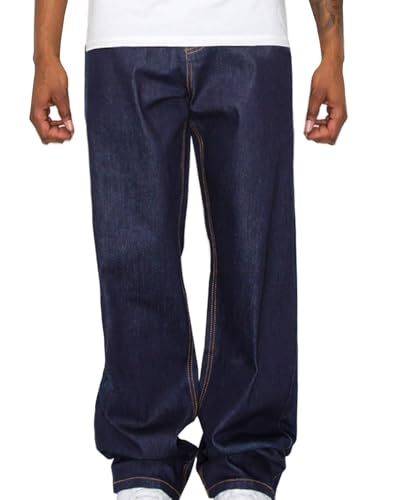
VICTORIOUS Classic 90s Throwback Vintage Y2K Streetwear Style Relaxed Skater Baggy Jeans DL998 Indigo 32/32
TRENDY DESIGN: Elevate your style with our Baggy Jeans for Men, ensuring you make a fashionable statement wherever…
As an affiliate, we earn on qualifying purchases.
As an affiliate, we earn on qualifying purchases.
Frequently Asked Questions
How Does Denim Weight Affect Comfort and Durability?
Denim weight considerably impacts comfort and durability. Heavier denim, with higher fabric thickness, tends to be more durable and long-lasting, making it ideal for rugged wear. However, it can be stiffer initially, so it might take time to break in. Lighter denim offers more comfort and flexibility right away but may wear out faster. Consider your activity level and preference when choosing the right denim weight for your needs.
Can Raw Denim Be Customized With Distressing or Fading?
Yes, you can customize raw denim with distressing techniques and fading methods. You might sand or stone wash areas to create worn spots or use bleach for fading effects. By applying these techniques yourself, you give your jeans a unique look that reflects your style. Just be careful with the tools and methods to avoid damaging the fabric unintentionally, and enjoy making your denim truly one-of-a-kind.
What Are the Best Washing Methods for Stretch Denim?
Did you know that using the wrong washing method can reduce stretch denim’s elasticity by up to 50%? To keep your stretch denim looking its best, you should machine wash it on a gentle cycle with cold water, or opt for hand wash to prevent damage. Avoid hot water and high heat drying, as these can break down the fibers and diminish its stretch over time.
How Does Selvage Denim Differ in Production Process?
You’ll notice that selvage denim differs in production because it uses a specific weaving technique on traditional shuttle looms, which creates a clean, finished selvage edge. This edge is tightly woven and often features a colored line, adding durability and a distinctive look. The process results in a denser, higher-quality fabric that ages beautifully over time, making selvage denim a popular choice for enthusiasts seeking craftsmanship and longevity.
Are There Environmental Benefits to Choosing One Denim Type Over Another?
Choosing eco-friendly denim is like planting a seed for the future. When you pick sustainable farming practices and eco-friendly dyes, you help reduce water usage and chemical runoff. Selvedge denim often involves less waste, and raw denim can be crafted with sustainable methods. By making mindful choices, you support environmentally friendly production, making your wardrobe a part of the solution rather than the problem.

Red Torndao Vintage Summer 12OZ Men's Jeans Slim Fit Selvedge Jean Denim Pants Mid Rise Washed Blue W31
Size Guide -Very Important:This RedTornado jeans size is Smaller than US casual size, if you don't check our…
As an affiliate, we earn on qualifying purchases.
As an affiliate, we earn on qualifying purchases.
Conclusion
Now that you know the difference between raw, selvedge, and stretch denim, you’re practically a denim wizard. Imagine stepping into a world where your jeans tell a story, age like fine wine, and fit like they were made just for you—because they are! With this knowledge, you’ll never settle for ordinary. You’re about to elevate your style game to legendary status, turning heads and making jeans jealous everywhere you go.

Levi Strauss Signature Gold Women's Totally Shaping Pull-On Bootcut Jeans High-Rise Stretch Denim (Also Available in Plus Size), Point Bonita 5d, 12 Regular
Same great jeans, brand new name! Signature by Levi Strauss & Co. is now Levi Strauss Signature Gold
As an affiliate, we earn on qualifying purchases.
As an affiliate, we earn on qualifying purchases.

Huckberry Mens Jeans, Stretch Selvedge Denim – Hb Classic, Dark Wash, 32 x 32
THE PERFECT YEAR-ROUND MENS JEANS: Crafted from a versatile 11.7 oz. selvedge denim, these men's jeans are the…
As an affiliate, we earn on qualifying purchases.
As an affiliate, we earn on qualifying purchases.