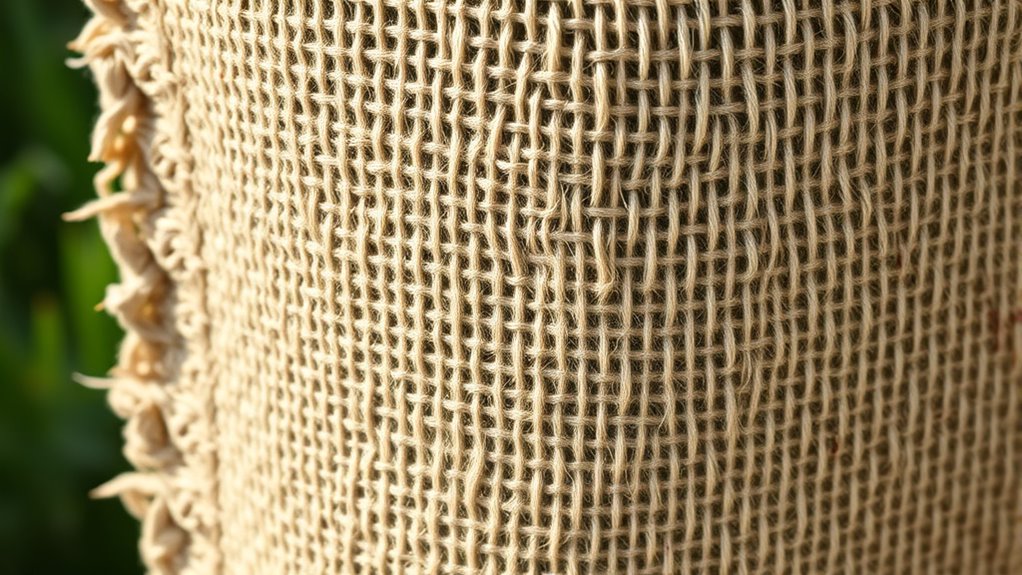
Hemp fabric is an eco-friendly material made from fibers of the hemp plant, known for its natural strength and durability. It grows quickly, needs minimal water, and uses few or no pesticides, making it a sustainable choice for environmentally conscious consumers. Hemp fabric becomes softer with each wash and offers a comparable strength to linen or cotton. If you want to discover more about its benefits and uses, there’s plenty to explore ahead.
Key Takeaways
- Hemp fabric is a sustainable textile made from fibers of the hemp plant, known for its eco-friendly production process.
- It is highly durable and strong, comparable to linen or cotton, making it suitable for long-lasting clothing and textiles.
- Modern processing techniques efficiently extract soft, versatile fibers that improve with each wash.
- Hemp cultivation requires minimal water, pesticides, and herbicides, reducing environmental impact.
- The fabric supports eco-conscious fashion by combining strength with sustainability and minimal resource use.
Have you ever wondered what makes hemp fabric an eco-friendly alternative to traditional textiles? The secret lies in its roots in sustainable cultivation and the way it pushes textile innovation forward. Hemp is a remarkable crop because it grows quickly, requires minimal water, and practically no pesticides or herbicides. This means you can cultivate it in environmentally friendly ways that reduce the strain on our planet’s resources. Unlike cotton, which demands vast amounts of water and chemicals, hemp’s hardy nature makes it a sustainable choice for farmers aiming to lessen their ecological footprint. When you choose hemp fabric, you’re supporting agricultural practices that prioritize the health of the soil and surrounding ecosystems, helping to conserve biodiversity and reduce pollution.
Hemp fabric is eco-friendly, sustainable, and requires minimal water and chemicals.
The process of transforming hemp into fabric is an example of textile innovation at its best. Modern techniques allow for the extraction of fibers from the plant’s stalks efficiently, resulting in a material that’s both durable and versatile. Hemp fabric is naturally strong, resistant to wear and tear, and becomes softer with each wash, making it an ideal choice for clothing, accessories, and home textiles. Its strength rivals that of linen or cotton but with the added benefit of being more environmentally friendly. Advances in textile innovation have also led to the development of hemp blends and treatments that enhance its softness and functionality, broadening its appeal to consumers seeking sustainable fashion alternatives.
By opting for hemp fabric, you’re taking part in a movement toward more responsible textile production. As industries explore eco-conscious options, hemp stands out because it can be produced with a markedly lower environmental impact. Its rapid growth cycle means you can harvest multiple crops per year without depleting the land, and its deep roots help prevent soil erosion while improving soil health. The combination of sustainable cultivation practices and ongoing textile innovation means hemp fabric is poised to replace more resource-intensive materials. When you wear or use products made from hemp, you’re not just making a fashion statement—you’re supporting a sustainable approach that values environmental preservation and innovation.
In essence, hemp fabric embodies a future where textile production aligns with ecological principles. Its resilience, minimal resource requirements, and the continuous evolution of processing methods make it a compelling choice for eco-conscious consumers. You get a product that’s not only durable and stylish but also contributes positively to environmental sustainability. This blend of strength and sustainability proves that hemp isn’t just a traditional crop but a symbol of modern textile innovation, shaping a greener, more responsible way to produce and enjoy fabric.
Frequently Asked Questions
How Does Hemp Fabric Compare to Organic Cotton in Durability?
Hemp fabric is generally more durable than organic cotton, making it a great choice for long-lasting clothing and products. Its strength comes from sustainable farming practices and eco-conscious production methods that enhance fiber resilience. Unlike organic cotton, which can wear out faster, hemp maintains its integrity over time. Choosing hemp supports eco-friendly initiatives and promotes sustainable farming, ensuring you get a highly durable, eco-conscious material that stands up to daily wear.
Is Hemp Fabric Suitable for Sensitive Skin?
Think hemp fabric’s rough texture might irritate your sensitive skin? Not quite! Hemp is naturally hypoallergenic, making it a great choice for skin sensitivity. Its low allergy potential means you can wear it comfortably without worries. Plus, its breathable, moisture-wicking qualities keep irritation at bay. So, if you’re worried about allergies or skin reactions, hemp fabric could be your new best friend—gentle, eco-friendly, and surprisingly kind to sensitive skin.
Can Hemp Fabric Be Blended With Other Fibers Effectively?
Yes, hemp fabric blends well with other fibers using various blending techniques, enhancing its versatility. You can mix hemp with cotton, silk, or wool, depending on your desired texture and strength. Fiber compatibility is key, so guarantee the blending process maintains fabric durability and softness. By combining fibers effectively, you get a sustainable, strong, and comfortable material perfect for clothing and textiles.
What Are the Environmental Impacts of Hemp Cultivation?
You’ll find that hemp cultivation has positive environmental impacts because it supports sustainable farming practices and requires less water compared to other crops. It grows quickly, naturally resists pests, and needs minimal chemical inputs, reducing pollution. By choosing hemp, you help conserve water resources and promote eco-friendly agriculture, making it a smart choice for environmentally conscious consumers who want to reduce their ecological footprint while supporting sustainable farming methods.
How Does Hemp Fabric’s Cost Compare to Conventional Textiles?
Hemp fabric’s cost compares favorably to conventional textiles, especially over time. Market pricing shows hemp often costs less initially because of its fast-growing nature and lower cultivation expenses. However, some premium hemp products might be priced higher due to processing or quality. You’ll find that the overall cost comparison favors hemp for its durability and eco-friendliness, making it a smart, sustainable choice that balances affordability and value.
Conclusion
Hemp fabric offers strength, sustainability, and style. It’s durable enough to last, eco-friendly enough to protect our planet, and versatile enough to suit your needs. Choosing hemp means embracing durability, supporting the environment, and enjoying comfort. By opting for hemp, you’re making a conscious decision to prioritize quality, protect nature, and stand out with unique style. Embrace hemp fabric—strengthening your wardrobe, supporting sustainability, and shaping a greener future all at once.