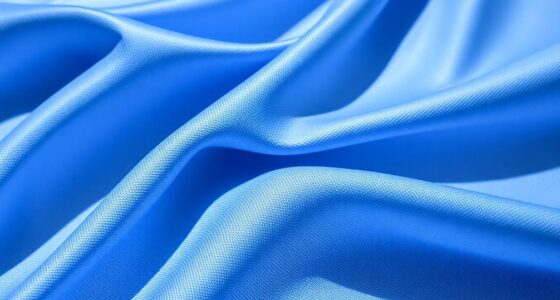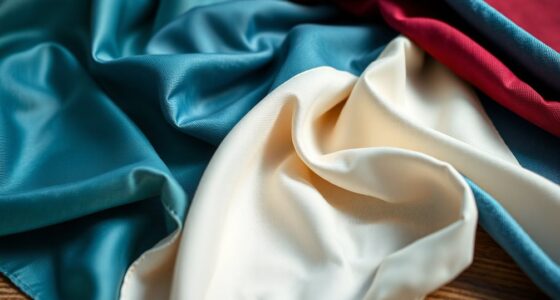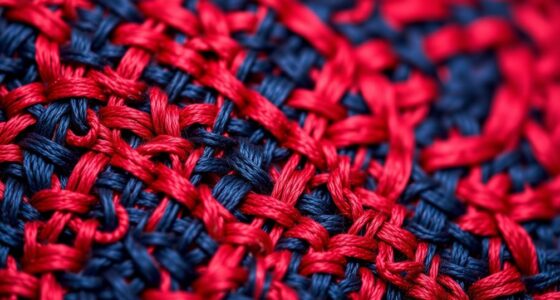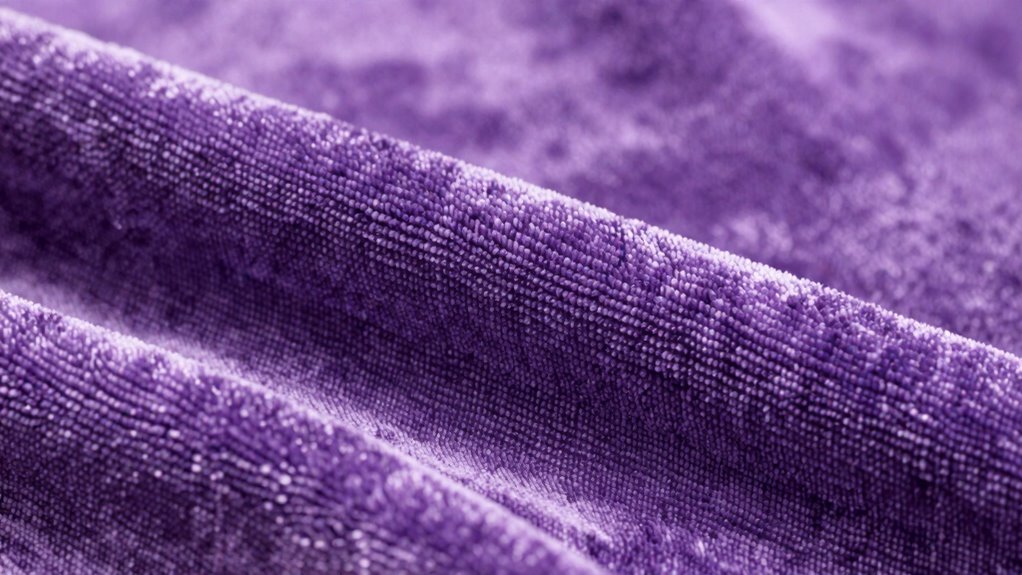

Microfiber fabric is made from tightly woven synthetic fibers like polyester and polyamide, giving it a soft, durable feel. It’s highly effective at trapping dirt, dust, and liquids, making it great for cleaning cloths and mops, while also being lightweight, breathable, and moisture-wicking for clothing. Advances in textile innovation and sustainable manufacturing mean microfiber is both eco-friendly and longer-lasting. If you want to discover more about its applications and environmental benefits, keep exploring further.

Get your wardrobe favorites delivered free with Prime
- Fast, free delivery on millions of items
- Prime Video, Amazon Music and more included
- Member-only deals all year
Key Takeaways
- Microfiber fabrics are made from tightly woven synthetic fibers like polyester and polyamide, offering softness and durability.
- They excel at trapping dirt, dust, and liquids, making them ideal for cleaning cloths and mops.
- In apparel, microfiber provides lightweight, breathable, and moisture-wicking qualities suitable for activewear and outdoor gear.
- Sustainable manufacturing practices and recycling techniques help extend microfiber fabric lifespan and reduce environmental impact.
- Advances in textile innovation promote eco-friendly, long-lasting microfiber products for home use and clothing.
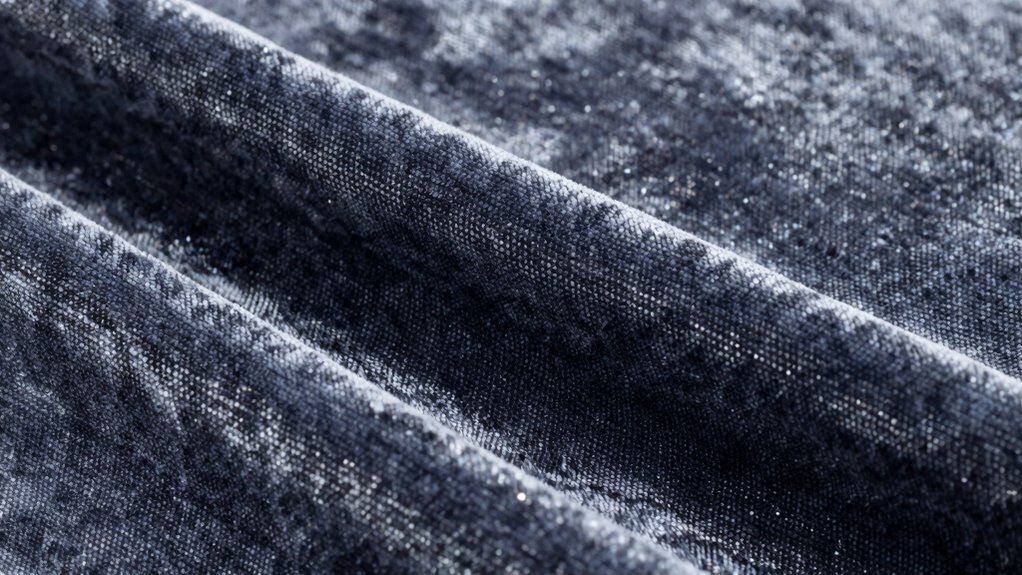
Have you ever wondered what makes microfiber fabric so popular for cleaning and apparel? It’s because microfiber combines performance, versatility, and sustainability in ways that traditional fabrics can’t match. At the heart of this popularity is a focus on textile innovation, where manufacturers are constantly exploring new techniques and materials to improve quality and sustainability. This drive for innovation not only yields better products but also emphasizes sustainable manufacturing practices, which are becoming more important to consumers and companies alike.
Microfiber is made from very fine synthetic fibers, usually polyester and polyamide, woven tightly to create a fabric that’s incredibly soft and durable. The tiny fibers have a larger surface area compared to natural fabrics, making microfiber highly effective at trapping dirt, dust, and liquids. This characteristic makes it ideal for cleaning cloths and mops that remove more grime with less effort, all while requiring fewer cleaning chemicals. Its ability to absorb liquids quickly and hold onto dirt makes microfiber a top choice for eco-conscious cleaning solutions. Since it works efficiently with less water and cleaning agents, microfiber contributes to sustainable manufacturing by reducing resource consumption and waste.
From an apparel perspective, microfiber offers a lightweight, breathable, and moisture-wicking fabric that keeps you comfortable throughout the day. Its flexibility allows designers to create stylish, functional clothing that performs well in activewear, outdoor gear, and everyday wear. Thanks to textile innovation, microfiber fabrics can be engineered for specific properties like stretch, water resistance, or UV protection, broadening their application scope. These advancements demonstrate how ongoing research and development in the textile industry promote sustainable manufacturing, as they often involve creating fabrics that last longer and require less maintenance. This reduces the need for frequent replacements, cutting down on textile waste and environmental impact.
Furthermore, microfiber’s manufacturing process has seen a push towards more sustainable practices. Companies are investing in cleaner, more energy-efficient production methods, aiming to lessen their carbon footprint. Recyclable microfiber fabrics are also emerging, aligning with the broader movement toward circular fashion and sustainable textiles. Advances in textile innovation have led to improvements in fabric durability and eco-friendliness, further supporting sustainable development. Additionally, innovations in recycling techniques are enabling the recovery of fibers from used fabrics, thus extending their lifecycle and reducing waste. In fact, ongoing research into recycling methods is helping to create closed-loop systems that drastically reduce textile waste and promote environmental responsibility. Incorporating sustainable manufacturing practices is also helping companies achieve greener production processes, which benefits both the environment and consumers. As you look for cleaning supplies or clothing, understanding the role of textile innovation and sustainable manufacturing in microfiber’s development helps you make more conscious choices. Microfiber fabric exemplifies how technological progress in textiles can lead to products that are not only high-performing but also environmentally responsible, making it a smart choice for both your home and wardrobe.
As an affiliate, we earn on qualifying purchases.
Frequently Asked Questions
Is Microfiber Fabric Eco-Friendly?
Microfiber fabric isn’t entirely eco-friendly. Its chemical composition, mainly polyester or nylon, involves synthetic fibers derived from petroleum, which impacts the environment. During production, it releases microplastics that pollute water sources. Although microfiber is durable and long-lasting, its environmental impact is significant due to microplastic shedding and energy-intensive manufacturing. If you’re eco-conscious, consider organic or natural fibers for your home or apparel needs instead.
How Does Microfiber Compare to Natural Fibers?
When comparing microfiber to natural fibers, you find that microfiber, a synthetic fabric, often offers greater durability and resistance to stains. Unlike natural fibers, it’s more resistant to wear and tear, making it ideal for high-use items. However, natural fibers like cotton or wool breathe better and are more eco-friendly. So, your choice depends on whether you prioritize longevity and stain resistance or breathability and sustainability.
Can Microfiber Cause Allergies?
Microfiber can sometimes cause allergies, acting like an uninvited guest that triggers allergy triggers and skin reactions. If you have sensitive skin or allergies, you might notice redness or itching after contact. While microfiber is usually safe, tiny fibers can trap dust or allergens, so it’s crucial to wash your items regularly. Stay vigilant, and if irritation persists, consider consulting a healthcare professional to protect your comfort and health.
Is Microfiber Fabric Machine Washable?
Yes, microfiber fabric is generally machine washable, but you should follow care instructions to prevent durability concerns like color fading or fabric damage. Use cold or warm water and a gentle cycle to preserve its vibrant look and texture. Avoid bleach or harsh detergents, as they can weaken fibers over time. Washing microfiber properly helps maintain its softness, durability, and appearance, ensuring your items last longer.
What Are the Best Cleaning Methods for Microfiber?
You should use gentle cleaning solutions like mild detergent or specialized microfiber cleaners. For stain removal, act quickly by blotting the stain with a damp cloth and a small amount of cleaning solution, avoiding harsh scrubbing. Always test any cleaning method on a hidden area first. Regular vacuuming can also help keep microfiber fabric looking fresh and prevent dirt buildup, making your cleaning routine more effective.
Conclusion
Now that you know the ins and outs of microfiber fabric, you’re better equipped to choose the right materials for your home and wardrobe. Whether it’s cleaning or comfort, microfiber’s versatility is a real game-changer. Remember, don’t judge a book by its cover—test it out yourself to see if it fits your needs. With microfiber in your corner, you’ll be ahead of the game, making smarter choices every step of the way.
Halloween Picks
halloween
As an affiliate, we earn on qualifying purchases.