Rayon includes viscose, modal, and cupro—all made from regenerated cellulose from sources like wood, bamboo, or cotton. Viscose is common but chemical-heavy, while modal offers a more sustainable alternative with fewer chemicals. Cupro is softer and produced using gentler methods. Understanding how each type is made helps you choose eco-friendlier fabrics. If you keep exploring, you’ll discover how production processes impact the environment and how to make smarter choices.
Key Takeaways
- Rayon is a versatile, soft fabric made from regenerated cellulose derived from natural sources like wood, bamboo, or cotton linters.
- Viscose, modal, and cupro are different types of rayon, each produced through distinct processes with varying environmental impacts.
- Viscose is the most common but resource-intensive; modal and cupro are more eco-friendly options with reduced chemical use.
- Sustainable rayon options often involve closed-loop manufacturing that recycles chemicals and water, minimizing environmental harm.
- Consumer awareness of production methods helps support eco-conscious brands and promotes greener practices in textile manufacturing.

Have you ever wondered what makes rayon a popular choice for clothing and textiles? It’s because of its versatility, affordability, and soft feel. But beyond these qualities, many people are now curious about how rayon compares to other fabrics, especially when it comes to sustainability. If you’re interested in eco-friendly options, understanding the fabric production processes involved in making rayon is essential. This knowledge helps you decide whether it’s a sustainable alternative to other textiles like cotton or polyester.
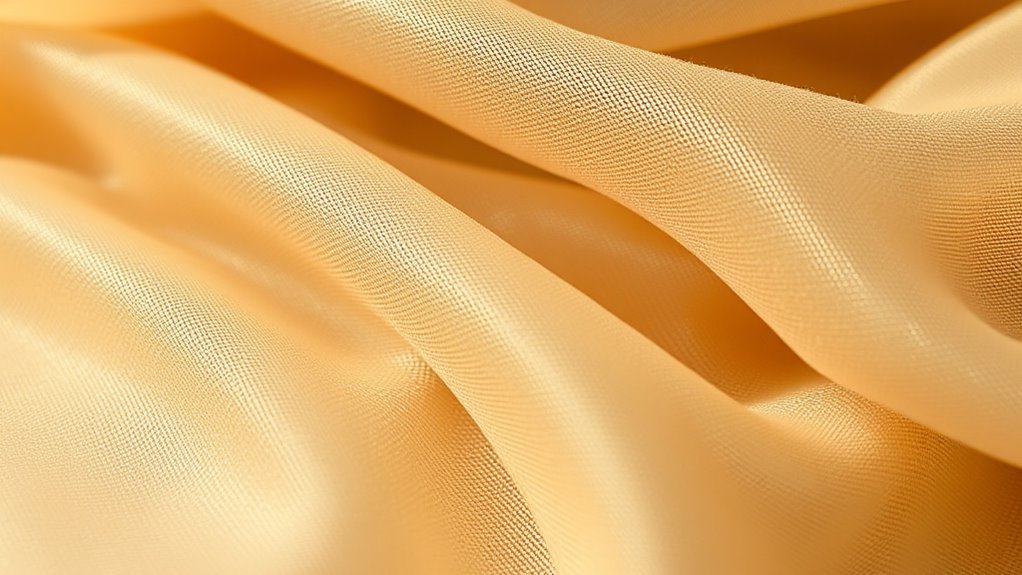
Rayon is a semi-synthetic fiber made from regenerated cellulose, typically derived from wood pulp, bamboo, or cotton linters. The process begins with extracting cellulose, which is then dissolved using chemicals to create a viscous solution. This solution is spun into fibers through a process called wet spinning, where the liquid is extruded through tiny holes and solidifies into threads. The resulting fabric is soft, breathable, and drapes well, making it a favorite for clothing. However, the traditional fabric production processes involve significant chemical use, raising concerns about environmental impact. Some manufacturers now focus on more sustainable production methods, such as closed-loop systems that recycle chemicals and water, reducing waste and pollution.
Different types of rayon, like viscose, modal, and cupro, have unique production methods but share core similarities. Viscose is the most common, but its production can be resource-intensive and environmentally damaging if not managed carefully. Modal, on the other hand, is a more sustainable alternative because it uses a similar process but with additional steps that make the fibers more durable and eco-friendly. It’s often produced using renewable wood sources and with less chemical input. Cupro, also called “cupro fabric,” is made from cotton or other plant fibers and involves a gentler process that produces a silky fabric while minimizing environmental harm. These variations show how fabric production processes can evolve to offer more sustainable alternatives within the rayon family.
As a conscious consumer, it’s important to recognize that not all rayon is created equal in regard to sustainability. Some brands now prioritize eco-friendly manufacturing practices, using certified raw materials and cleaner chemical processes. By understanding how rayon fabrics are produced, you can make better choices aligned with your values. Whether you’re shopping for clothing, home textiles, or accessories, knowing about these fabric production processes helps you identify options that balance quality with environmental responsibility. In the end, your informed choices can support more sustainable alternatives and encourage the industry to adopt greener practices.
Frequently Asked Questions
How Does Rayon Compare to Natural Fibers Like Cotton or Silk?
When comparing rayon to natural fibers like cotton or silk, you’ll find that rayon offers a softer, more affordable alternative but isn’t as durable as cotton or silk. Unlike wool, rayon isn’t naturally warm or resilient, and its durability varies based on the type. Rayon vs wool shows that wool generally lasts longer, but rayon can mimic silk’s luster. Consider your needs, as rayon’s lower durability may require careful maintenance.
Is Rayon More Environmentally Friendly Than Synthetic Fibers?
Imagine a fabric that’s eco-friendly, yet still makes you look fabulous—sounds too good to be true, right? Rayon often wins here, thanks to its sustainable production methods and biodegradability compared to synthetic fibers. While it’s not perfect, it generally breaks down faster in nature, making it a greener choice. So, you can enjoy your style without leaving a giant plastic footprint—talk about fashion with a conscience!
Can Rayon Fabrics Be Recycled or Eco-Converted?
Rayon fabrics can be recycled through specialized processes like chemical recycling, which break down fibers to create new yarns, making them more eco-friendly. While traditional recycling options are limited, innovations in recycling processes are improving. You can choose eco-friendly alternatives like lyocell or Tencel, which are produced using more sustainable methods. To sum up, recycling processes are evolving, and opting for these eco-conscious fabrics helps reduce environmental impact.
How Does Rayon’s Breathability Differ From Other Fabrics?
Rayon’s breathability outperforms many fabrics because it absorbs moisture well and promotes air circulation. You’ll notice that clothes made from rayon keep you cooler and more comfortable, especially in hot weather, as they wick away sweat and allow air to flow freely through the fabric. Compared to synthetic options, rayon’s natural feel and moisture management make it an excellent choice for staying fresh and breathable throughout the day.
Are There Specific Care Instructions Unique to Rayon Types?
You should always follow the care labeling on your rayon garments, as instructions can vary by type. Generally, hand wash or use a delicate cycle with cold water to prevent damage. Avoid wringing or twisting, and use mild detergent. For stain removal, gently dab with a soft cloth and avoid harsh chemicals. Dry flat or hang to dry, and iron on a low setting if needed, always following specific care guidelines.
Conclusion
Now that you know the differences between viscose, modal, and cupro, you can make more informed choices about your clothing and fabric options. Rayon offers comfort, versatility, and eco-friendly possibilities—if you choose wisely. Will you opt for sustainable, breathable fabrics that feel great and look stylish? Remember, understanding your options empowers you to select fabrics that align with your values and lifestyle. So, are you ready to embrace the world of rayon?