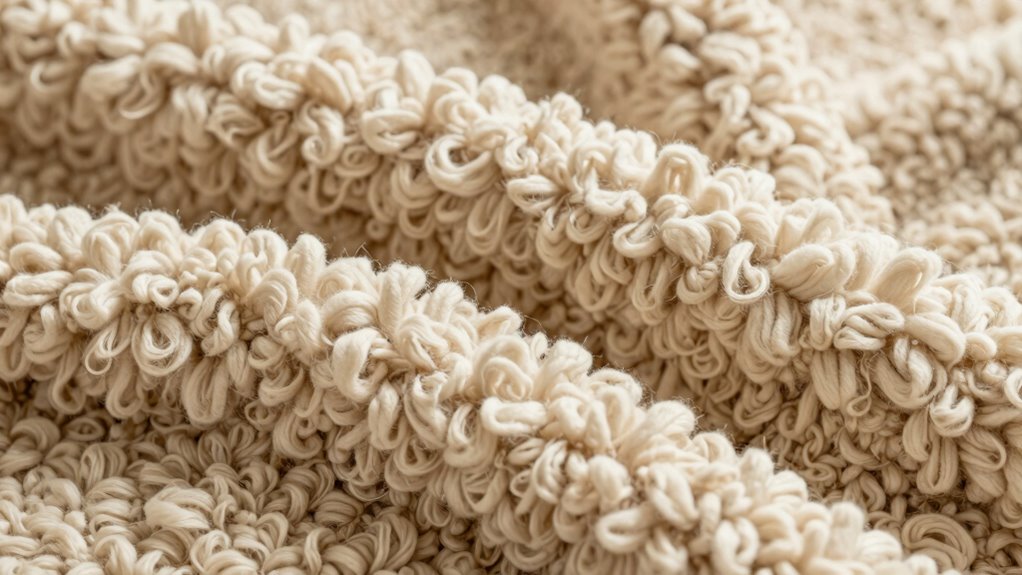

Sherpa fabric is a plush, soft material that mimics wool or shearling, making it perfect for warm interiors and cozy apparel. It provides excellent insulation and comfort during cold months, ideal for jackets, blankets, and slippers. Plus, its eco-friendly production from recycled polyester helps reduce environmental impact. By choosing Sherpa, you get a stylish, responsible choice that enhances your comfort and design. Want to discover more about its benefits and uses? Keep exploring.

Get your wardrobe favorites delivered free with Prime
- Fast, free delivery on millions of items
- Prime Video, Amazon Music and more included
- Member-only deals all year
Key Takeaways
- Sherpa fabric has a soft, plush texture ideal for cozy clothing, jackets, blankets, and slippers.
- It offers excellent warmth and comfort, making it perfect for cold-weather interiors and apparel.
- Made from recycled polyester fibers, Sherpa is a sustainable choice supporting eco-friendly manufacturing.
- Modern production processes use energy-efficient and water-saving techniques, reducing environmental impact.
- Its durability and responsible sourcing align with ethical practices in sustainable interior and clothing design.
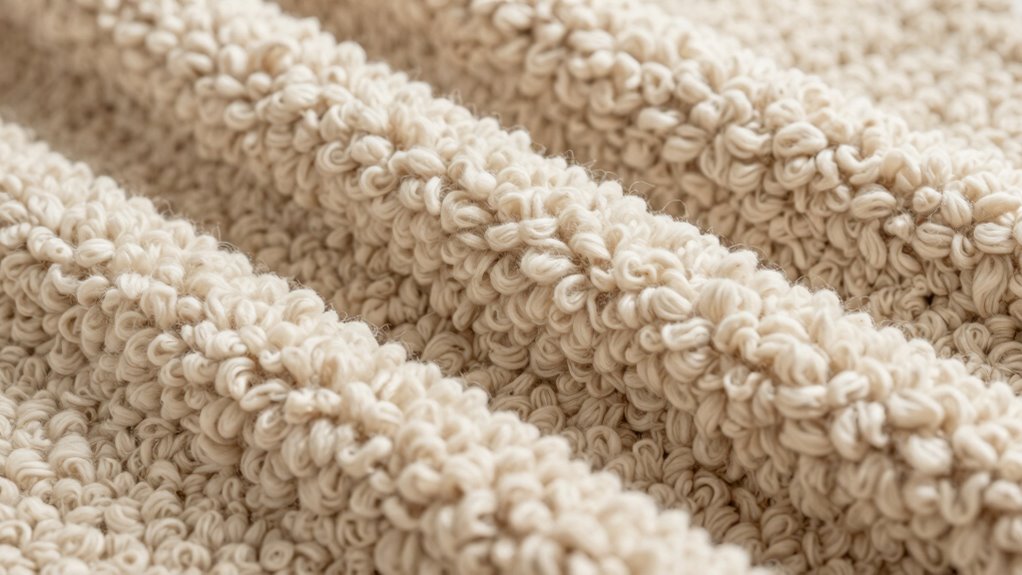
Sherpa fabric has become a popular choice for cozy clothing and accessories because of its soft, plush texture that mimics wool or shearling. Its inviting feel makes it ideal for garments like jackets, blankets, and even slippers, providing warmth and comfort in colder months. But beyond its luxurious touch, Sherpa fabric offers notable sustainability benefits that appeal to environmentally conscious consumers. By choosing Sherpa, you’re supporting manufacturing processes that often prioritize eco-friendly practices, reducing waste and energy consumption. Many manufacturers now use recycled polyester fibers to produce this fabric, which helps divert plastic bottles and other waste from landfills. This shift toward recycled materials not only decreases the environmental footprint but also encourages responsible resource management. Additionally, the sustainable manufacturing processes behind Sherpa fabric have evolved markedly to enhance its sustainability profile. Traditional methods involved creating the fabric from virgin polyester, which consumed more energy and relied heavily on non-renewable resources. Today, many manufacturers have adopted more sustainable techniques, such as using recycled polyester, which is derived from post-consumer plastic waste. These processes involve collecting plastic bottles, cleaning, melting, and then extruding the material into fibers suitable for textile production. The fibers are then woven or knitted into fabric that resembles wool or shearling, but with a much lower environmental impact. This shift not only helps conserve resources but also minimizes emissions during production. In addition, the manufacturing process for Sherpa fabric emphasizes energy efficiency and waste reduction. Modern factories often use advanced machinery that minimizes water and power use, further reducing environmental impact. Some manufacturers implement closed-loop systems, recycling water and chemicals used in production to prevent pollution. Because Sherpa fabric is durable and long-lasting, it encourages a reduction in fast fashion, promoting sustainability through longevity. When you choose Sherpa fabric for your apparel or interior decor, you’re making a conscious decision that supports eco-friendly manufacturing practices. Its sustainability benefits extend beyond just the materials used; they reflect a broader commitment to reducing environmental harm. For example, sustainable practices in textile manufacturing are becoming more prevalent, further supporting eco-conscious choices. So, whether you’re buying a cozy jacket or a plush throw, you can feel good knowing that the fabric’s production process is increasingly aligned with sustainability principles. Sherpa fabric combines comfort with responsible sourcing, making it a smart choice for those who value warmth, style, and environmental consciousness.
As an affiliate, we earn on qualifying purchases.
Frequently Asked Questions
Is Sherpa Fabric Suitable for Outdoor Use?
Sherpa fabric isn’t ideal for outdoor use because it lacks outdoor durability and weather resistance. If you expose it to rain, snow, or harsh sunlight, it can become damaged or lose its softness quickly. While cozy indoors, outdoors it may not withstand the elements. For outdoor applications, look for fabrics specifically designed for weather resistance and durability, ensuring your items stay in good condition longer.
How Does Sherpa Compare to Fleece in Warmth?
Ever wondered which keeps you warmer—Sherpa or fleece? Sherpa typically offers superior warmth because its thicker, plush fibers trap more air, making it more insulating. While fleece is versatile and durable, Sherpa’s durability guarantees it withstands regular wear, maintaining its cozy feel. So, if warmth is your priority, Sherpa outperforms fleece in both insulation and long-lasting comfort, making it ideal for cold environments and outdoor adventures.
Can Sherpa Fabric Be Machine Washed Frequently?
Yes, you can machine wash sherpa fabric frequently, but you should follow care instructions to maintain its fabric durability. Use gentle cycles and cold water to prevent damage. Avoid harsh detergents and fabric softeners, which can weaken fibers over time. Air drying or tumble drying on low heat helps preserve its softness and insulating qualities. Proper care guarantees your sherpa stays cozy and durable through frequent washes.
Is Sherpa Fabric Hypoallergenic?
Sherpa fabric isn’t inherently hypoallergenic, but its hypoallergenic properties can make it suitable if you have skin sensitivity. It’s made from synthetic fibers that resist dust mites and mold, reducing allergy triggers. However, if you have sensitive skin or allergies, check the fabric’s treatment and manufacturing process. Regular cleaning helps keep it fresh and minimizes potential irritation. Always choose high-quality Sherpa to guarantee the best hypoallergenic benefits for your skin.
What Are the Best Cleaning Tips for Sherpa-Lined Clothing?
To clean sherpa-lined clothing, start with gentle stain removal using a mild detergent and cold water, avoiding harsh chemicals. Always check care labels before washing. For drying, use a low heat setting or air dry to prevent damage. Fluff the fabric after drying to restore softness. Avoid wringing or twisting, as this can distort the sherpa. Proper drying techniques help maintain the warmth and plush feel of your sherpa-lined apparel.
Conclusion
Now that you know all about Sherpa fabric, you can confidently choose it for cozy interiors or warm apparel. Its plush texture and insulating qualities bring comfort like a warm embrace from a loved one, making every moment feel special. Just like a trusty old blanket in a Dickens novel, Sherpa offers timeless warmth and comfort. So go ahead, wrap yourself in its softness and experience the cozy magic firsthand—you’ll never want to take it off.
Fall Picks
fall essentials
As an affiliate, we earn on qualifying purchases.