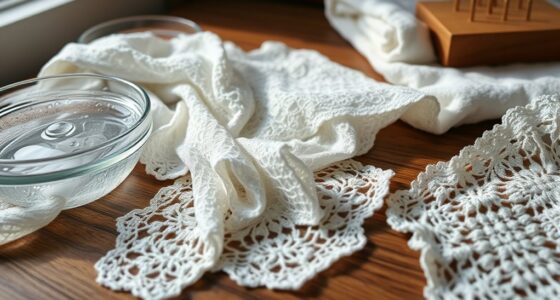
To prevent fabric shrinkage, always check care labels and use cold water for natural fibers like cotton, wool, and linen, which are more prone to shrinking. Avoid high heat in dryers and opt for air-drying or low-heat settings to protect your clothes. Handle delicate fabrics gently, turn garments inside out, and follow proper washing techniques. If you want to learn how to fix shrinkage or further safeguard your clothes, keep exploring these tips.

Get your wardrobe favorites delivered free with Prime
- Fast, free delivery on millions of items
- Prime Video, Amazon Music and more included
- Member-only deals all year
Key Takeaways
- Identify fiber type to determine susceptibility to shrinkage; natural fibers like cotton and wool are more prone.
- Use cold water and gentle cycles when washing delicate fabrics to minimize fiber contraction.
- Air-dry or use low heat settings in dryers to prevent shrinking caused by heat and agitation.
- Follow care labels for specific instructions to maintain garment size and prevent shrinkage.
- To fix minor shrinkage, stretch the fabric gently while damp, then reshape and air-dry to recover original size.
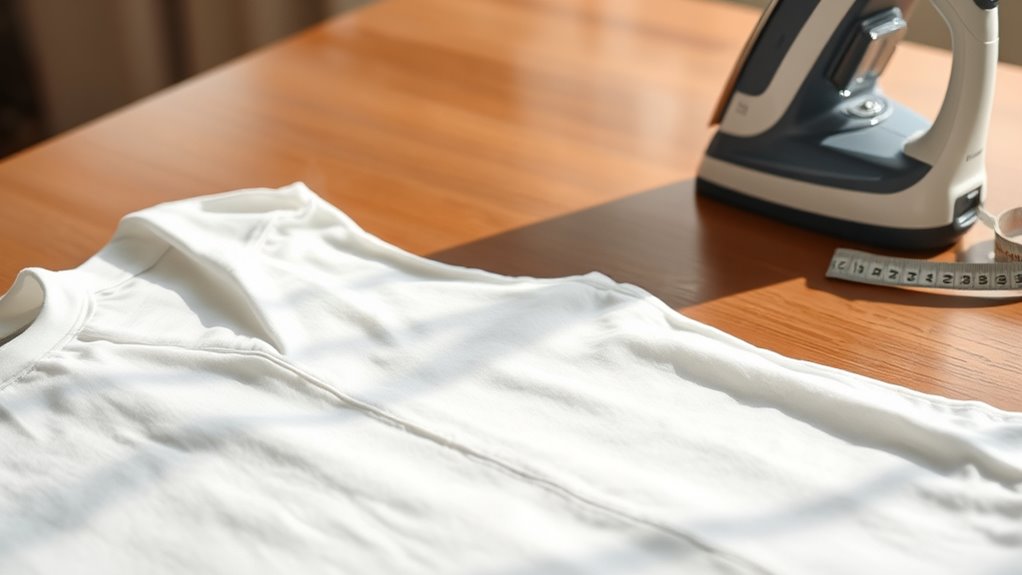
Fabric shrinkage is a common concern when caring for your clothes, and understanding why it happens can help you prevent it. One of the key factors influencing shrinkage is fiber types. Different fibers respond differently to washing and drying processes. Natural fibers like cotton, wool, and linen tend to shrink more easily because they are more absorbent and flexible. Cotton, for example, can shrink up to 5% if washed in hot water or dried on high heat, while wool is particularly sensitive to agitation and heat, leading to felting and shrinkage. Synthetic fibers such as polyester, nylon, and acrylic are generally more resistant to shrinking because they are manufactured to withstand heat and water. However, even these fibers can shrink if exposed to extreme conditions or improper washing techniques.
Natural fibers like cotton and wool are more prone to shrinking with heat and agitation.
Knowing your fabric type helps you choose the right washing techniques to prevent unwanted shrinkage. For natural fibers, it’s best to opt for cold water when washing, as hot water causes fibers to contract and tighten. Using warm water can be acceptable for sturdier fabrics like cotton, but always check the care label for guidance. When drying, air-drying or tumble-drying on a low heat setting is safest, especially for delicate fibers. High heat from dryers causes fibers to relax and then tighten as they cool, resulting in shrinkage. For wool or delicate fabrics, laying flat to dry is the safest method, preventing stretching and shrinking altogether. Additionally, understanding the fabric’s response to heat can further help in preventing damage and shrinkage.
In addition to temperature control, consider your washing techniques. Avoid overloading the washing machine, as crowded loads increase agitation and friction, which can lead to fiber distortion and shrinkage. Use gentle or delicate cycles when washing sensitive fabrics, and always follow the care label instructions. Turn garments inside out to reduce friction on the outer surface, and use mild detergents designed for delicate fabrics. When washing wool or cashmere, hand washing with cold water and a gentle detergent is ideal. After washing, avoid wringing out the fabric, as this can cause fibers to stretch and shrink. Instead, gently press out excess water and lay the garment flat to dry.
Understanding your fabric’s fiber type and applying proper washing techniques are essential steps in preventing shrinkage. By being mindful of water temperature, drying methods, and cycle settings, you can preserve the size and shape of your clothes. Proper care not only extends the life of your garments but also keeps them looking their best. Taking a little extra time to understand how different fabrics respond to washing ensures your wardrobe remains fitting and comfortable for longer.
Frequently Asked Questions
Can Certain Detergents Cause Fabric to Shrink?
Yes, certain detergents can cause fabric to shrink, especially if they contain harsh chemicals or strong detergents that weaken fibers. The detergent effects combined with high washing temperatures can accelerate shrinking. To prevent this, use mild detergents designed for delicate fabrics and wash in cold or lukewarm water. Always follow the care label instructions to maintain your fabric’s size and shape.
Does Fabric Blend Type Affect Shrinkage Risk?
You’ll find that fabric blend type considerably affects shrinkage risk. When you choose a blend with higher cotton or wool content, the chance of shrinking increases because of fiber composition. Blending ratios matter too—more natural fibers tend to shrink more. So, when selecting fabrics, pay attention to these details; they can help you prevent unwanted shrinkage and keep your garments looking their best longer.
How Does Fabric Thickness Influence Shrinkage?
Thicker fabrics tend to shrink less because higher fabric density and tighter weave restrict fiber movement. When you handle thick textiles, you’ll notice they typically have a tighter weave, which minimizes shrinkage. Conversely, thinner fabrics with looser weaves are more prone to shrinking during washing or drying. To prevent shrinkage, opt for fabrics with a dense, tight weave, and always follow their care instructions to maintain size and shape.
Can Fabric Shrinkage Occur During Storage?
Yes, fabric can shrink during storage if conditions aren’t ideal. Imagine opening a closet and noticing your favorite shirt has suddenly shrunk—unexpected, right? Poor storage conditions like high humidity, heat, or tight packing can compromise fabric stability, causing shrinkage over time. To prevent this, store your fabrics in cool, dry places, and avoid overcrowding. Proper storage guarantees your fabrics stay true to size and maintain their quality.
Are There Eco-Friendly Ways to Prevent Fabric Shrinkage?
Yes, you can use eco-friendly treatments to prevent fabric shrinkage, especially on natural fibers. Opt for gentle, plant-based fabric softeners or natural pre-wash solutions that help relax fibers without harmful chemicals. Washing in cold water and air drying also reduce shrinkage. These methods are safe for the environment and effective in maintaining your fabric’s size and quality, ensuring your clothes last longer.
Conclusion
Now that you know how fabric shrinks and how to prevent it, you can confidently care for your clothes. Did you know that about 60% of all clothing shrinkage happens during the first wash? By following proper washing and drying tips, you’ll keep your garments looking their best and lasting longer. Remember, a little extra care goes a long way in maintaining your wardrobe’s fit and quality. Stay mindful, and your clothes will thank you!
Columbus Day / Indigenous Peoples' Day Picks
long weekend sales
As an affiliate, we earn on qualifying purchases.