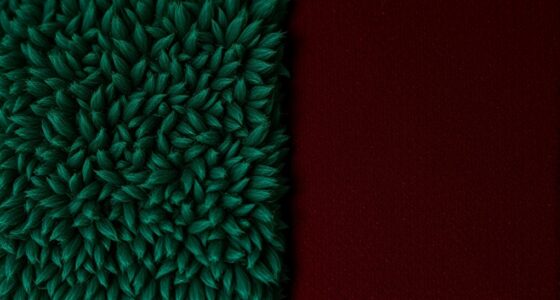
Fabric weight measures how heavy or light a fabric feels, usually using ounces per square yard or grams per square meter. Heavier fabrics are thicker, more durable, and better for colder weather or everyday wear. Lighter fabrics are softer, breathable, and ideal for summer or layering. Knowing the weight helps you choose fabrics that match your needs and activity. Stick around to discover how fabric weight affects durability, comfort, and care for your favorite projects.

Get your wardrobe favorites delivered free — and shop member deals
- Fast, free delivery on millions of items
- Access to Prime Big Deal Days deals on October 6–7
- Prime Video, Amazon Music and more included
Key Takeaways
- Fabric weight measures heaviness in ounces per square yard or grams per square meter, indicating fabric’s characteristics.
- Heavier fabrics are more durable and suitable for long-lasting garments, while lighter fabrics offer breathability and comfort.
- Fabric weight influences clothing choice based on climate, activity, and desired durability.
- Lighter fabrics tend to wrinkle easily and drape fluidly, whereas heavier fabrics hold shape better.
- Understanding fabric weight helps select appropriate materials for specific garments and care requirements.
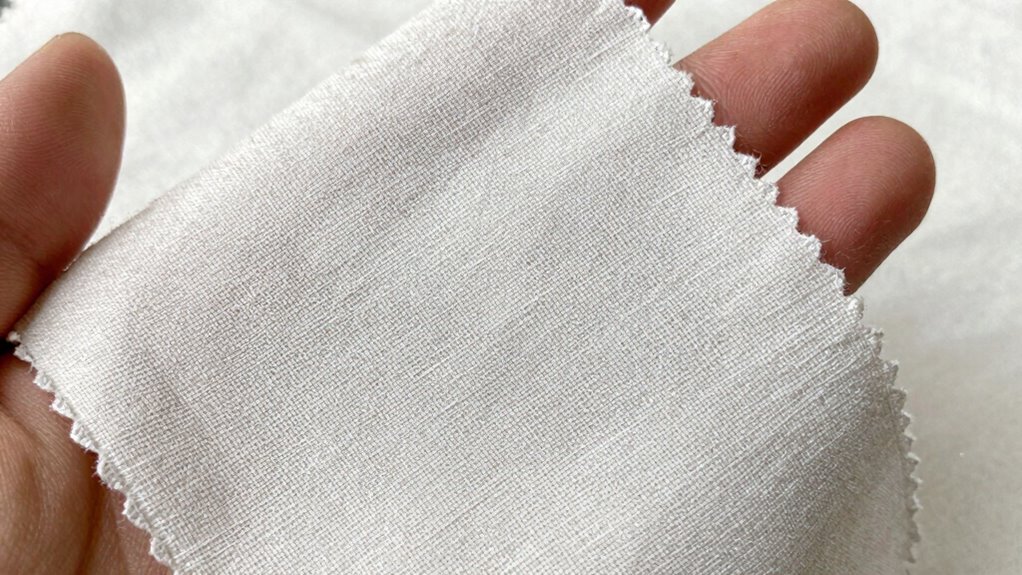
Ever wondered what fabric weight really means and how it impacts your clothing choices? Fabric weight refers to how heavy a fabric is, usually measured in ounces per square yard or grams per square meter. It might sound straightforward, but understanding this measurement helps you pick garments that fit your needs perfectly. The weight of a fabric affects its fabric durability and material characteristics, which in turn influence how a piece of clothing feels, looks, and lasts over time. Lighter fabrics tend to be more delicate and breathable, making them ideal for hot weather or layering, while heavier fabrics are generally more sturdy and long-lasting, perfect for colder climates or items meant to endure frequent use. Fabric weight measurement is an important aspect that helps determine these characteristics more precisely.
Fabric weight influences durability, comfort, and style—lighter for breathability, heavier for longevity and structure.
When you consider fabric weight, you’re also considering its durability. Heavier fabrics often have a denser weave or knit, which means they can withstand more wear and tear. For example, a thick denim or canvas is highly durable, making it suitable for workwear or outdoor gear. On the other hand, lightweight fabrics like chiffon or linen are more prone to wrinkling and tearing, but they excel in providing comfort and breathability. These material characteristics are essential to keep in mind because they determine how long your clothing will last, how much care it needs, and whether it’s suitable for your lifestyle or specific activity.
Understanding fabric weight helps you make more informed choices. If you’re shopping for a pair of jeans, knowing that a heavier denim will be more durable guides you to select a pair that lasts longer and withstands frequent washing. Conversely, if you’re looking for a summer dress or a shirt for hot days, a lightweight fabric will keep you cool and comfortable. The weight also influences how the fabric behaves; lighter fabrics tend to drape more fluidly and can be more prone to wrinkling, while heavier fabrics hold their shape better and provide more structure.
In essence, fabric weight is a key factor that ties directly into the material characteristics and the overall performance of your clothing. By paying attention to weight, you ensure that your garments not only look good but also serve their purpose over time. Whether you’re prioritizing durability, comfort, or style, understanding fabric weight helps you select pieces that match your needs, making your wardrobe more functional and satisfying.
heavyweight denim fabric for sewing
As an affiliate, we earn on qualifying purchases.
As an affiliate, we earn on qualifying purchases.
Frequently Asked Questions
How Does Fabric Weight Affect Clothing Durability?
Higher fabric weight generally means your clothing will be more durable because thicker fabrics resist tears and wear better. Light-weight fabrics tend to be less durable, making them more prone to damage over time. When choosing clothing, consider fabric weight to match your activity level and desired longevity. Heavier fabrics are ideal for workwear or outdoor gear, ensuring your clothes last longer and withstand regular use.
What Is the Lightest Fabric Weight Suitable for Summer Wear?
Think of the lightest fabric weight, typically 1-2 oz/yd², as a gentle breeze on a hot day—perfect for summer comfort. It offers excellent fabric breathability, helping you stay cool and dry. I once wore a 1.3 oz/yd² linen shirt during a heatwave, and it made all the difference. For summer wear, choose fabrics around this weight to enjoy lightweight, breathable clothing that keeps you comfortable.
How Do Different Fabrics Compare in Weight?
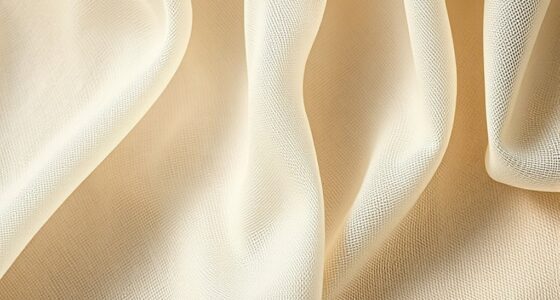
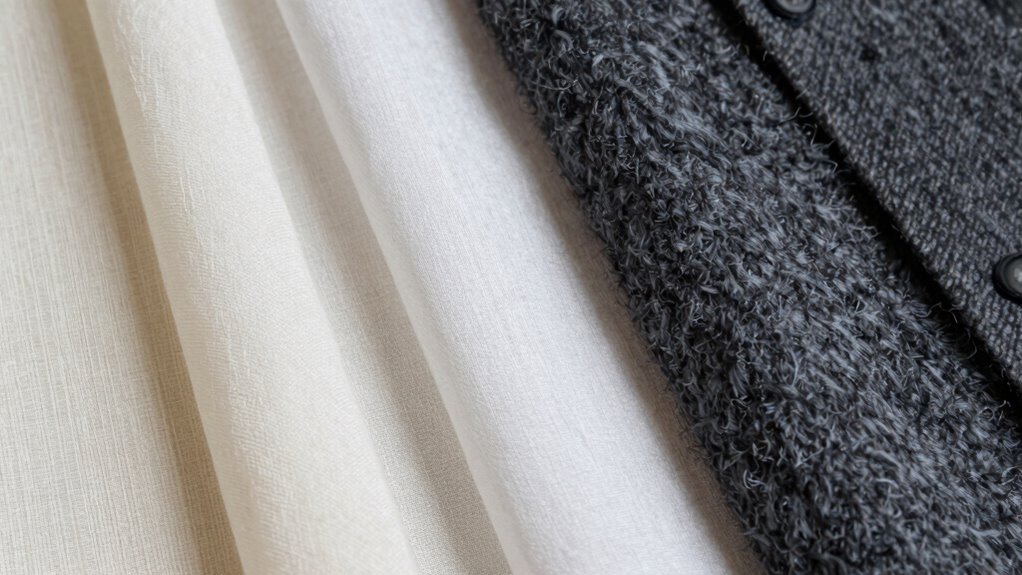
You’ll notice that fabrics vary in weight based on their fabric texture and transparency. Lightweight fabrics like chiffon and voile are thin and transparent, perfect for summer. Medium-weight fabrics such as cotton or linen offer more durability and less transparency, ideal for everyday wear. Heavyweight fabrics like denim or canvas are thick and opaque, suited for sturdy garments. Comparing these, you can choose fabrics based on desired texture, transparency, and use.
Can Fabric Weight Determine Fabric Quality?
Like a knight’s armor, fabric weight can protect but doesn’t guarantee quality. Don’t fall for fabric weight myths—heavier isn’t always better. While fabric weight vs comfort varies, a lightweight fabric can be high quality if it’s well-made. You should consider fiber type, weave, and finish instead of just weight. A fabric’s durability, feel, and how it wears over time matter more than weight alone.
Does Fabric Weight Influence Fabric Care Instructions?
Yes, fabric weight influences fabric care instructions. Heavier fabrics often require gentle washing methods to prevent damage, while lighter fabrics may need delicate cycles. Additionally, fabric weight can impact stain resistance; thicker fabrics tend to resist stains better and are easier to clean. When caring for your clothes, always check the label, but understanding fabric weight helps you choose appropriate washing methods and maintain stain resistance effectively.
Conclusion
Understanding fabric weight might seem like just another detail, but it’s actually your secret weapon for choosing the perfect material. Think of lightweight fabrics as delicate whispers — perfect for breathability and layering — while heavyweight fabrics are like a firm handshake, offering durability and warmth. By knowing the difference, you’ll craft outfits that feel just right, balancing comfort with style. So, next time you shop, let fabric weight be your guide — it’s the subtle touch that makes all the difference.
Fall Picks
fall essentials
As an affiliate, we earn on qualifying purchases.