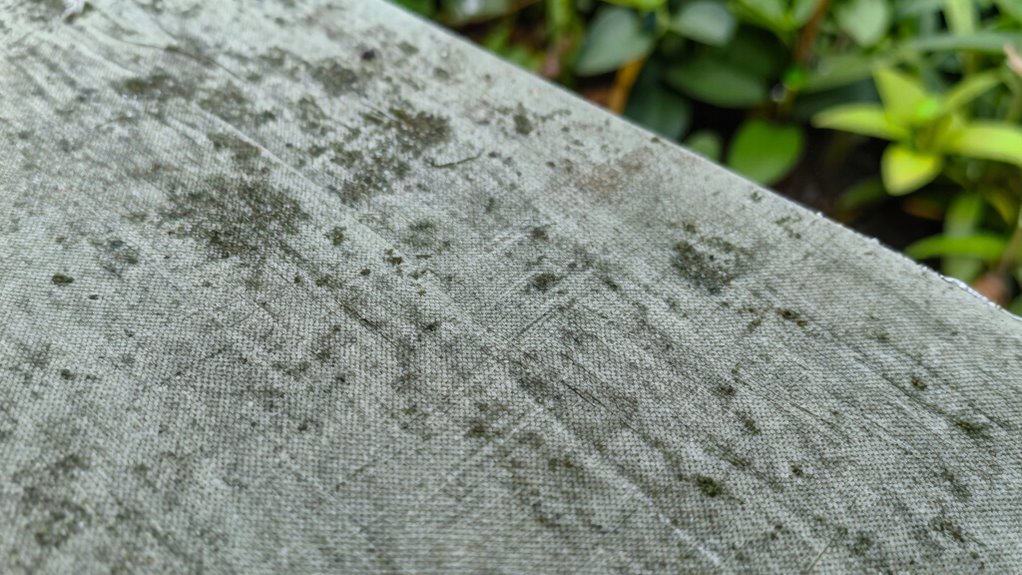
To protect your outdoor fabric from mildew, choose mildew-resistant materials like acrylic or polyester, and keep them tightly woven and dry. Regularly clean with a mild soap or vinegar solution, and guarantee fabrics dry thoroughly in sunlight or with fans to prevent moisture buildup. Apply water-repellent sprays for extra protection, and store cushions in dry spaces during harsh weather. Keep an eye out for early signs of mildew—there’s more you can do to keep your fabrics fresh and mildew-free.
Key Takeaways
- Choose mildew-resistant, tightly woven outdoor fabrics like acrylic or polyester.
- Regularly clean fabrics with mild soap, vinegar solution, and ensure thorough drying in sunlight.
- Maintain proper drainage and airflow around furniture to prevent moisture buildup.
- Apply water-repellent sprays and antimicrobial treatments for added protection.
- Store cushions and fabrics indoors or in dry, ventilated areas during harsh weather or extended use.
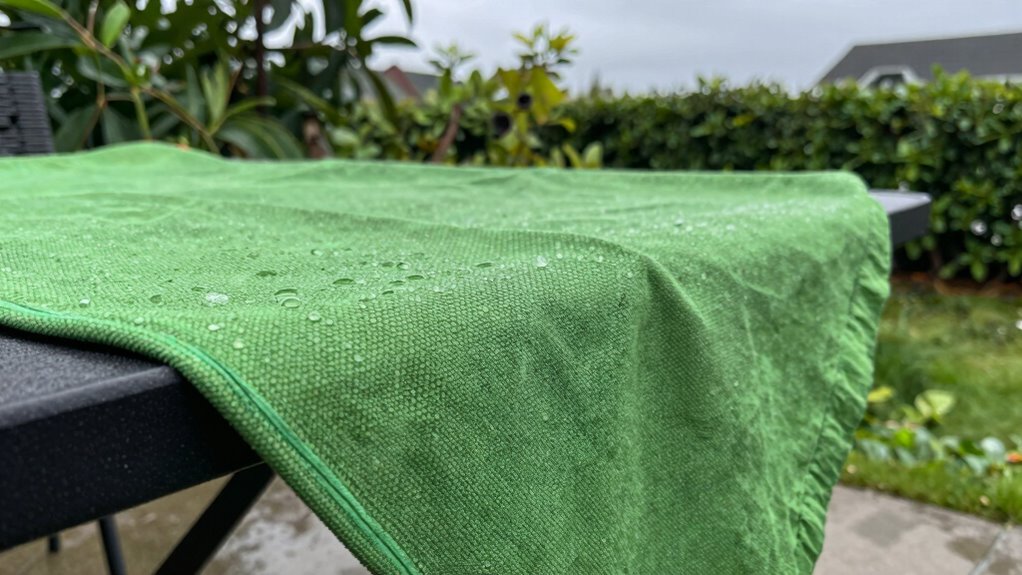
Outdoor fabrics add beauty and comfort to your space, but they’re also vulnerable to mildew if not properly protected. To keep your outdoor furniture looking fresh and clean, you need to understand the right cleaning techniques and how fabric selection plays a vital role in mildew prevention. First, choosing the right fabric can make a significant difference. Look for materials that are mildew-resistant or designed specifically for outdoor use. Synthetic fabrics like acrylic, polyester, and solution-dyed acrylic are often better options because they resist moisture and mold growth better than natural fibers like cotton or linen. When selecting fabric, also consider its weave; tightly woven fabrics prevent dirt and moisture from penetrating, making them easier to clean and less prone to mildew. Additionally, incorporating landscaping elements that improve drainage and air circulation around your outdoor furniture can help reduce humidity and prevent mildew formation. Proper fabric care routines, including avoiding prolonged exposure to moisture, are also essential for long-term mildew prevention. Regularly inspecting and maintaining your outdoor fabrics can help catch early signs of mildew before it becomes a major problem, ensuring your outdoor space remains inviting and clean. Being aware of indoor air quality factors can also help prevent mold spores from spreading to outdoor fabrics, especially in areas with high humidity or poor ventilation. Maintaining good airflow and humidity levels in adjacent indoor spaces can substantially reduce the likelihood of mold spores settling on outdoor textiles.
Choose mildew-resistant outdoor fabrics like acrylic or polyester for easier maintenance and long-lasting beauty.
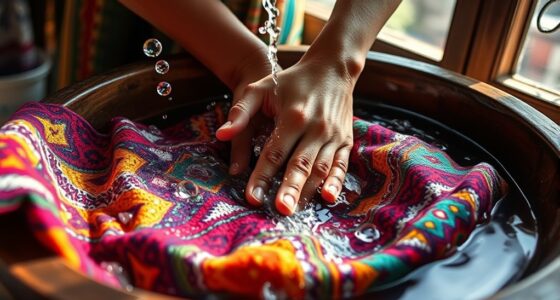
Once you’ve picked the best fabric, establishing proper cleaning techniques is essential. Regular maintenance helps prevent mildew buildup. Start by brushing off loose dirt and debris using a soft-bristled brush or vacuum attachment. For routine cleaning, mix a solution of mild soap and water, then gently scrub the fabric with a soft cloth or sponge. Rinse thoroughly with clean water to remove any soap residue. For tougher stains or mildew, create a cleaning solution with equal parts white vinegar and water. Vinegar is a natural disinfectant that kills mold spores and inhibits future growth. Spray it generously on the affected areas, let it sit for 10-15 minutes, then scrub lightly with a soft brush before rinsing well. Using antimicrobial treatments specifically designed for outdoor fabrics can also provide additional protection against mold and mildew. Remember that maintaining a dry environment around your outdoor furniture will significantly reduce the chances of mildew development. Ensuring proper drainage and avoiding standing water around your outdoor setup are crucial steps in mildew prevention.
Drying is just as important as cleaning. Always allow your outdoor fabric to dry completely in the sun after cleaning. Sunlight acts as a natural disinfectant and helps eliminate remaining mold spores. If you can’t dry the fabric outdoors, use a fan or high-powered blower to accelerate the process. Additionally, consider applying a protective water-repellent spray designed for outdoor fabrics. These sprays create a barrier against moisture, reducing the chances of mildew developing in the first place. To further protect your investment, store outdoor cushions and fabric items indoors or in a dry, well-ventilated space during harsh weather or when not in use for extended periods. Regular inspections for early signs of mildew or mold can save you time and effort later. Ultimately, combining proper fabric selection with effective cleaning techniques and preventative measures will help you maintain beautiful, mildew-free outdoor fabrics that last season after season.

STAR BRITE Outdoor Collection All Surface Mold Stain & Mildew Stain Remover Spray – Cleans & Removes Stains on Contact – 32 OZ Spray (054432)
Quickly removes stains caused by mold and mildew on contact without heavy scrubbing; EASY TO USE – spray,…
As an affiliate, we earn on qualifying purchases.
As an affiliate, we earn on qualifying purchases.
Frequently Asked Questions
Can Mildew Grow on All Types of Outdoor Fabric?
Mildew can grow on many types of outdoor fabric, especially if they’re not treated properly. Natural fabrics like cotton and linen are more prone, but synthetic options like polyester and acrylic are usually more resistant. To prevent mildew growth, you should choose fabrics with mildew resistant treatments and regularly clean and dry your outdoor furniture. Proper maintenance helps guarantee your outdoor fabric stays mildew-free and looks great longer.
How Often Should I Clean Outdoor Fabric to Prevent Mildew?
You should clean your outdoor fabric at least once a month to prevent mildew growth. Regular cleaning helps remove dirt, pollen, and other debris that can trap moisture. If you notice stains or dirt buildup, do stain removal promptly, as lingering residues can promote mildew. Adjust the cleaning frequency based on weather conditions; more frequent cleanings are necessary in humid or rainy climates to keep your fabric fresh and mildew-free.
Are There Eco-Friendly Methods to Protect Fabric From Mildew?
Yes, you can use eco-friendly treatments and natural preservatives to protect your outdoor fabric from mildew. Apply solutions like vinegar or tea tree oil, which act as natural fungicides, to keep mold at bay. Regularly cleaning and allowing your fabric to dry thoroughly also helps. These methods are safe for the environment and effective, ensuring your outdoor fabric stays fresh without harmful chemicals.
Does Outdoor Fabric Need to Be Stored During Winter?
Yes, outdoor fabric should be stored during winter to prevent damage from moisture and cold temperatures. Seasonal storage helps maintain fabric quality and prolongs its lifespan. Before storing, clean and dry your fabric thoroughly to prevent mildew and dirt buildup. Proper fabric maintenance during storage consists of keeping it in a dry, ventilated space. This prevents mold growth and ensures your outdoor fabric stays in good condition for when you need it again.
What Are the Signs of Mildew Damage on Fabric?
You’ll notice mildew damage on fabric as fuzzy, gray or black spots, and sometimes a musty odor. Stain removal becomes tricky, as mildew stains can penetrate deeply. To prevent this, use fabric treatment that inhibits mold growth, and promptly address any signs of mildew. Regularly inspecting and cleaning your outdoor fabric helps catch damage early, keeping it looking fresh and extending its lifespan.
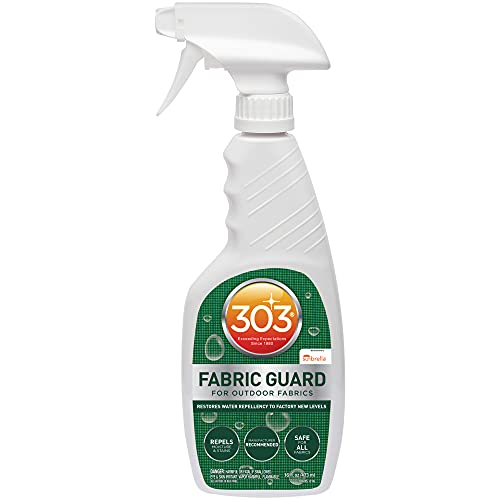
303 Fabric Guard – For Outdoor Fabrics – Restores Water Repellent Properties – Repels Moisture & Stains – Manufacturer Recommended – Safe For All Fabrics, 16oz (30605CSR) Packaging May Vary
For outdoor fabrics
As an affiliate, we earn on qualifying purchases.
As an affiliate, we earn on qualifying purchases.
Conclusion
By taking these simple steps, you gently nurture your outdoor fabrics, allowing them to maintain their charm and elegance through the seasons. With a touch of care and a keen eye, you’ll create an environment where your fabrics can flourish, free from unwelcome blemishes. Remember, a little proactive effort goes a long way in preserving their beauty, ensuring your outdoor space remains inviting and refined for years to come.
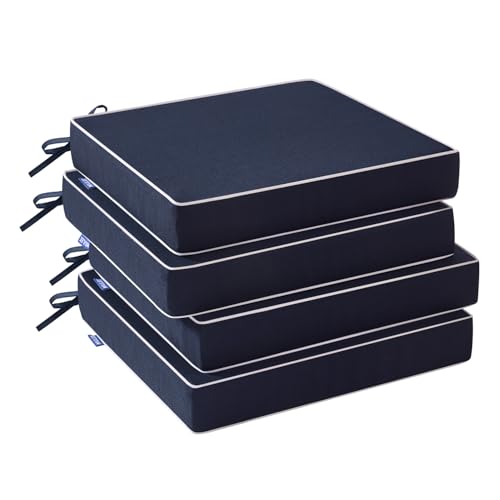
MIULEE Navy Outdoor Chair Cushions Set of 4, 18.5x16x3 Inch Waterproof Patio Seat Cushions for Outdoor Furniture Couch Sofa, 3 Year Color Fastness High Density Foam with Adjustable Ties
3-Year Fade-Resistant Performance: Crafted with premium outdoor linen-style polyester, these cushions maintain their beautiful color and natural woven…
As an affiliate, we earn on qualifying purchases.
As an affiliate, we earn on qualifying purchases.

Sunbrella Total Care Kit | Clean, Protect & Restore Fabric & Upholstery | Fabric Cleaner, Stain Remover, and Protector Bundle | 16 fl oz / 5 fl oz
ULTIMATE FABRIC CARE TRIO — This all-in-one kit includes powerful solutions to clean, protect, and restore your Sunbrella…
As an affiliate, we earn on qualifying purchases.
As an affiliate, we earn on qualifying purchases.