If you’re working with heavier fabrics like denim or wool, use dressmaker pins, as they are sturdier and hold thick layers well. For delicate fabrics like silk or chiffon, opt for extra-fine pins—they’re sharper and gentler, preventing damage. Fine pins suit projects needing precision without visible holes. Choosing the right pin depends on your fabric type and project needs. To master which pins suit your sewing tasks best, keep exploring these tips for perfect results.

Get your wardrobe favorites delivered free with Prime
- Fast, free delivery on millions of items
- Prime Video, Amazon Music and more included
- Member-only deals all year
Key Takeaways
- Use dressmaker pins for heavy fabrics like denim and wool requiring extra stability.
- Opt for extra-fine pins when working with lightweight, delicate fabrics such as silk or chiffon.
- Choose dressmaker pins for projects with multiple layers or thicker textiles needing durability.
- Use extra-fine pins for detailed work like embroidery, lace, or fine finishing touches.
- Select high-quality pins, regardless of type, to ensure longevity, fabric safety, and sewing precision.
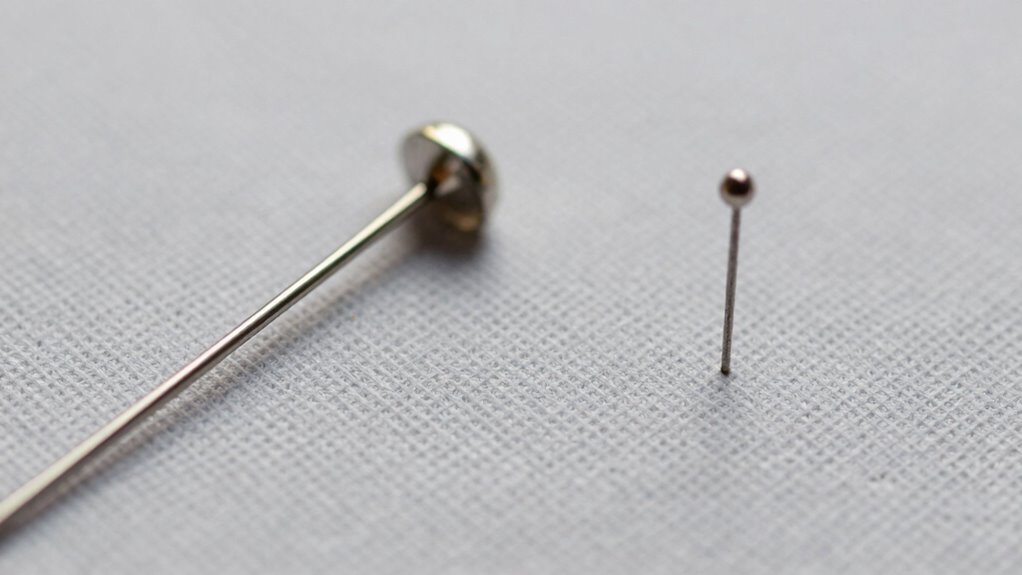
When choosing pins for your sewing projects, understanding the differences between dressmaker pins and extra-fine pins can make a significant impact on your work. The key factors to evaluate are pin sharpness and fabric compatibility. Dressmaker pins typically have a thicker shaft and a sharper point, which makes them suitable for thicker or woven fabrics. Their robustness allows you to pin through multiple layers without bending or breaking, providing stability as you sew. However, their increased thickness can sometimes leave noticeable holes in delicate fabrics like silk or chiffon, so you need to be cautious about fabric compatibility.
Dressmaker pins are sturdy with thicker shafts, ideal for heavier fabrics but may leave holes in delicate textiles.
In contrast, extra-fine pins are designed with a much thinner shaft and a finer point, offering excellent pin sharpness. This makes them ideal for lightweight or delicate fabrics, where a thick pin could cause damage or leave permanent holes. The fine tip ensures you can insert and remove pins easily without snagging or fraying the fabric fibers. Because of their slim profile, extra-fine pins tend to glide smoothly through most fabrics, reducing the risk of distortion or puckering. They’re especially handy when working on detailed or precision projects, where the appearance of your finished garment depends on the clean, unblemished fabric surface. Additionally, their pin sharpness allows for more precise placement, which is crucial for intricate sewing work.
Choosing between these two types of pins hinges on fabric compatibility and the nature of your project. For heavy or layered fabrics like denim, canvas, or thick wool, dressmaker pins provide the strength you need to hold pieces steady without bending or breaking. Their durability ensures you can pin through multiple layers without fuss. On the other hand, for sheer, silky, or delicate fabrics, extra-fine pins are your best bet. They slide in easily and leave minimal marks, preserving the fabric’s integrity. When working with embroidery or lace, the finer pins help maintain the delicate structure without damaging intricate details. Understanding fabric properties can help you select the most suitable pins for optimal results.
Another consideration is pin sharpness—how well the tip retains its point after repeated use. Dressmaker pins tend to be more durable, maintaining their sharpness longer when used with tougher fabrics. Meanwhile, extra-fine pins, due to their slenderness, may dull faster but are far gentler on sensitive textiles. If you’re working on a project that involves frequent pinning or pin removal, opt for high-quality pins that keep their sharpness longer to avoid damaging your fabric or losing your sewing alignment. It’s also worthwhile to consider pin quality, as well-made pins tend to hold their sharpness and strength longer, ensuring a smoother sewing experience. Additionally, using appropriate pins can help extend their lifespan and maintain your sewing efficiency.
In essence, understanding the right type of pin for each fabric and project ensures smoother sewing, cleaner results, and less frustration. Whether you choose dressmaker pins or extra-fine pins, match their properties to your fabric’s needs, and your sewing projects will benefit from better precision and a more professional finish.
dressmaker pins for heavy fabrics
As an affiliate, we earn on qualifying purchases.
As an affiliate, we earn on qualifying purchases.
Frequently Asked Questions
Can Dressmaker Pins Be Used for Leather Projects?
Yes, dressmaker pins can be used for leather sewing, but you should choose the right pin. For leather projects, opt for sturdy, sharp pins like extra-fine or leather pins that penetrate smoothly without causing damage. Proper pin selection is essential to keep your leather looking professional. Use pins sparingly and remove them as you sew to avoid creating holes or marks, ensuring your project stays neat and durable.
Are Extra-Fine Pins Suitable for Thick Fabrics?
Oh, of course, extra-fine pins are magically suited for thick fabrics—if your idea of success involves endless frustrations. Their pin sharpness is often compromised by fabric thickness, making pinning a nightmare. For thick fabrics, opt for sturdier, thicker pins that can penetrate without bending or breaking. Extra-fine pins excel on delicate materials, but when faced with heavy fabric, you need more robust tools to get the job done efficiently.
How Do Pin Lengths Vary Between Dressmaker and Extra-Fine Pins?
Pin length differences depend on their type; dressmaker pins are generally longer, around 1.5 inches, making them suitable for thicker fabrics, while extra-fine pins are shorter, about 1 inch, ideal for delicate or lightweight fabrics. You should choose based on fabric compatibility and pinning needs. Longer pins provide better hold in bulky materials, whereas shorter pins prevent damage in fine fabrics, ensuring your sewing process stays smooth and precise.
Which Pins Are Better for Quilting: Dressmaker or Extra-Fine?
For quilting, extra-fine pins are your best choice because of their superior pin sharpness, which easily glides through multiple fabric layers without causing damage. They are compatible with delicate fabrics like cotton or silk, ensuring smooth, precise sewing. Dressmaker pins, while sturdier, may be too thick and less gentle on fine fabrics. Use extra-fine pins for intricate, detailed quilting to achieve neat, professional results.
Do Different Pin Types Affect Sewing Machine Needle Longevity?
Different pin types can impact your sewing machine needle longevity by influencing pin corrosion and pin sharpness. For example, using lower-quality pins may cause corrosion over time, which can dull your needle faster. Sharp pins help reduce wear; dull pins increase friction and needle strain. In fact, dull or corroded pins can shorten needle lifespan by up to 20%, so choosing the right pin keeps your machine running smoothly and extends needle life.
Conclusion
Just like a skilled painter chooses the right brush for each stroke, selecting between dressmaker pins and extra-fine pins guarantees your sewing project turns out flawless. Think of dressmaker pins as your trusty brush for thicker fabrics, while extra-fine pins are your delicate detailers for lightweight materials. Trust your instincts, and you’ll craft with the precision of a master artist, creating garments that truly stand out—because, in the end, every stitch tells a story worth telling.
Fall Picks
fall essentials
As an affiliate, we earn on qualifying purchases.