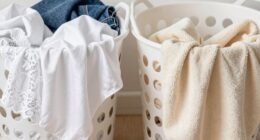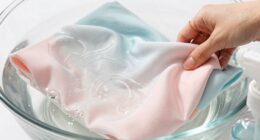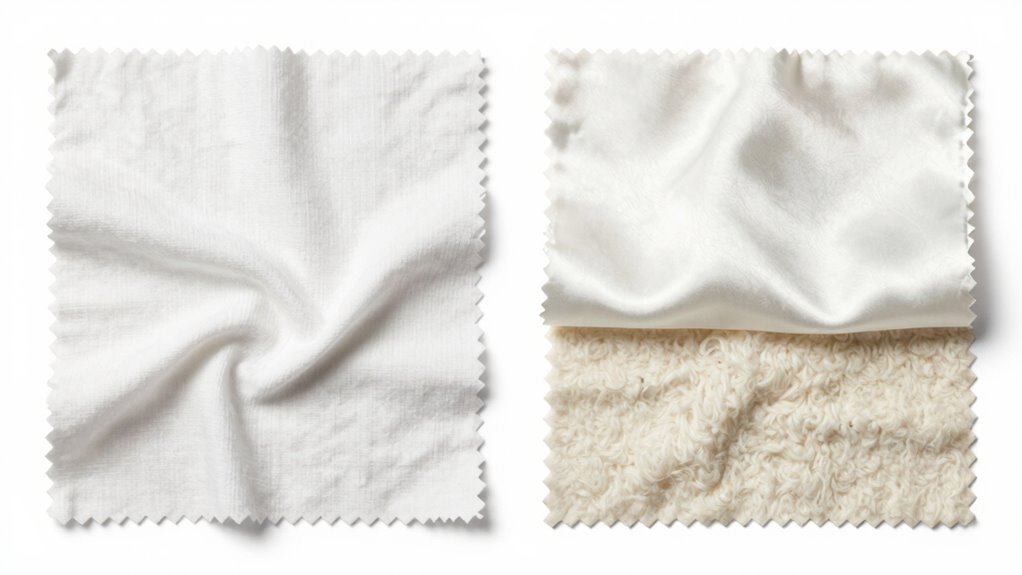
You’ll find that natural fibers like cotton and wool tend to shrink more than synthetic fabrics such as polyester or nylon. Cotton can shrink considerably if not pre-shrunk or washed in hot water, while wool shrinks easily with heat or agitation. Synthetic materials usually resist shrinking and keep their size better. Proper washing and drying help prevent unwanted changes, and if you want to protect your garments, it’s worth learning more about fabric care tips.
Key Takeaways
- Cotton and wool fabrics tend to have higher shrinkage rates compared to synthetic fibers like polyester and nylon.
- Cotton can shrink up to 5-10% if not pre-shrunk or washed in hot water.
- Wool may shrink significantly, often 10-20%, if exposed to heat or agitation during washing.
- Synthetic fabrics generally have minimal to no shrinkage due to their resistance to heat and stretching.
- Advanced textiles and AI-driven materials are designed to be highly resistant to shrinkage across various conditions.

When choosing fabrics for your clothing, understanding their shrinkage rates is vital to guarantee a proper fit over time. Knowing how different materials respond to washing and drying can help you avoid surprises and extend the lifespan of your garments. For example, natural fibers like cotton and wool tend to shrink more than synthetic ones, so following specific fabric care tips becomes essential. If you neglect proper care, you might find your favorite shirt tighter after a wash, which can be frustrating and lead to waste. By understanding the typical shrinkage behavior of various fabrics, you can plan your laundry routines accordingly, preventing unnecessary distortion and maintaining your wardrobe’s integrity.
Cotton, one of the most common fabrics, is known for its propensity to shrink, especially if not pre-shrunk or if washed in hot water. To minimize this, you should wash cotton items in cold water and avoid high-heat drying. Wool, on the other hand, is particularly sensitive and can shrink considerably if exposed to heat or agitation. Hand washing wool in cool water and air drying is often the best approach. Synthetic fabrics like polyester and nylon generally resist shrinkage, making them easier to care for and more stable over time. However, even these fabrics can be affected by improper care, such as prolonged exposure to high heat, which can warp or weaken fibers. Additionally, advancements in fabric technology, such as AI-driven material development, are leading to textiles that are more resistant to shrinkage and other forms of wear. Proper understanding of fabric care can help extend the life of your clothing and prevent unnecessary waste. Moreover, using appropriate laundry detergents designed for specific fabric types can further protect your garments from damage. Proper understanding of fabric shrinkage is not only about maintaining a good fit but also about considering environmental impacts. When you properly care for your clothing, you reduce the need for frequent replacements, which in turn reduces textile waste and energy consumption associated with producing new garments. For instance, choosing energy-efficient laundry practices like cold water washing can make a significant difference. Washing clothes in cold water saves energy and prolongs the life of your clothes, decreasing the environmental footprint of your laundry routine. Proper care also includes understanding the fabric composition to select appropriate washing and drying methods. Additionally, choosing fabrics with less potential to shrink can lead to fewer discarded garments, supporting sustainable fashion practices. Proper fabric care tips, combined with an awareness of how different materials react to washing, help you make eco-friendly choices, reducing your overall environmental impact.

dryel At-Home Dry Cleaner Starter Kit, Gentle Laundry Care for Special Fabrics and Dry-Clean-Only Clothes, 6 Loads
Safely clean your special care clothes at home
As an affiliate, we earn on qualifying purchases.
As an affiliate, we earn on qualifying purchases.
Frequently Asked Questions
How Can I Prevent Fabric Shrinkage During Washing?
To prevent fabric shrinkage during washing, always follow the care label instructions. Use fabric softeners to help reduce friction and minimize shrinkage, and consider applying pre-wash treatments to tough fibers. Wash clothes in cold water and avoid high heat drying, which can cause shrinkage. Air drying or tumble drying on low heat also helps maintain your fabric’s size and shape, keeping your clothes looking their best longer.
Are There Specific Detergents That Reduce Fabric Shrinkage?
Think of detergents as the gentle guardians of your clothes. Enzyme-based cleaners, with their specialized formulations, act like tiny repair crews, targeting dirt without tugging at fibers. These detergents are designed to reduce fabric shrinkage by delicately cleaning without harshness. Look for those with enzyme formulations, as they work smarter, not harsher, helping your garments retain their original size and shape after every wash.
How Does Fabric Weave Type Affect Shrinkage?
Your fabric’s weave type considerably affects shrinkage because tighter weave density limits fiber movement, reducing shrinkage. Fabrics with high fiber elasticity, like spandex blends, tend to shrink less since fibers stretch and recover easily. Conversely, loosely woven fabrics with lower fiber elasticity are more prone to shrinkage. Understanding these factors helps you choose fabrics that maintain their size and shape after washing, ensuring your garments last longer.
Can Fabric Shrinkage Vary With Different Washing Machines?
Like a painter’s brushstroke, washing machines influence fabric shrinkage, making it vary with different models. Your choice of washing machine settings and fabric temperature plays a vital role. Hotter temperatures and aggressive cycles cause more shrinkage, while gentle cycles at cooler temps preserve size. So, pay attention to your machine’s settings, because the right combination guarantees your clothes stay true to their original fit, akin to a carefully crafted masterpiece.
What Is the Best Way to Dry Fabrics to Minimize Shrinkage?
To minimize fabric shrinkage while drying, you should use gentle fabric treatment and temperature control. Opt for air drying or tumble drying on low heat, as high temperatures can cause fibers to contract. Always check care labels for specific instructions, and consider using a drying rack for delicate fabrics. These practices help maintain the fabric’s size and shape, reducing the risk of unwanted shrinking.
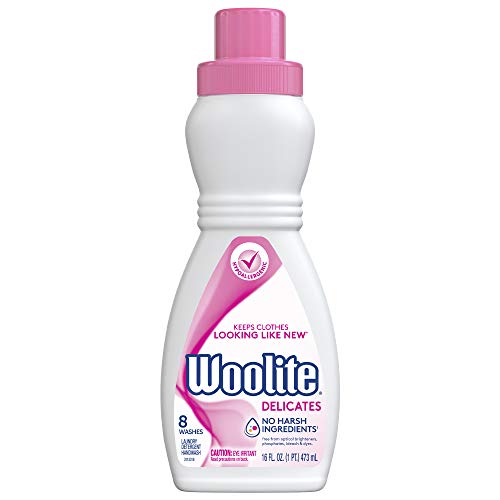
Woolite Delicates Liquid Laundry Detergent for Machine and Hand Wash – Gentle Care for Silk, Wool & Fine Fabrics, 16oz
Protects Delicate Fabrics – Protects silk, wool, and other fine materials from damage while providing a thorough clean
As an affiliate, we earn on qualifying purchases.
As an affiliate, we earn on qualifying purchases.
Conclusion
Understanding shrinkage rates by fabric type is like steering a river’s twists and turns—you need to know the currents to stay afloat. By choosing fabrics wisely and following care instructions, you can prevent unexpected surprises and keep your clothes fitting just right. Think of your wardrobe as a garden; with proper care, each piece will flourish and grow with you, rather than shrink away. Stay informed, stay prepared, and enjoy a wardrobe that stays true to your style.

The Clean People Fabric Softener Sheets – Dryer Sheets – Softens & Removes Static Cling – Vegan Laundry Softener With Essential Oils – Fresh Scent, 120 Pack
Our Fabric Softener Dryer Sheet is gentle enough for even the most sensitive skin. Our fabric softener is…
As an affiliate, we earn on qualifying purchases.
As an affiliate, we earn on qualifying purchases.

Scotchgard Fabric Water Shield, Water Repellent Spray for Spring and Summer Clothing and Household Upholstery Items, Long-Lasting Protection for Seasonal Fabric, Two 10 Oz Cans (Pack of 2)
WATER REPELLENT SPRAY: Two Scotchgard Fabric Water Shields, 10 oz cans, that repel water-based spills on furniture and…
As an affiliate, we earn on qualifying purchases.
As an affiliate, we earn on qualifying purchases.