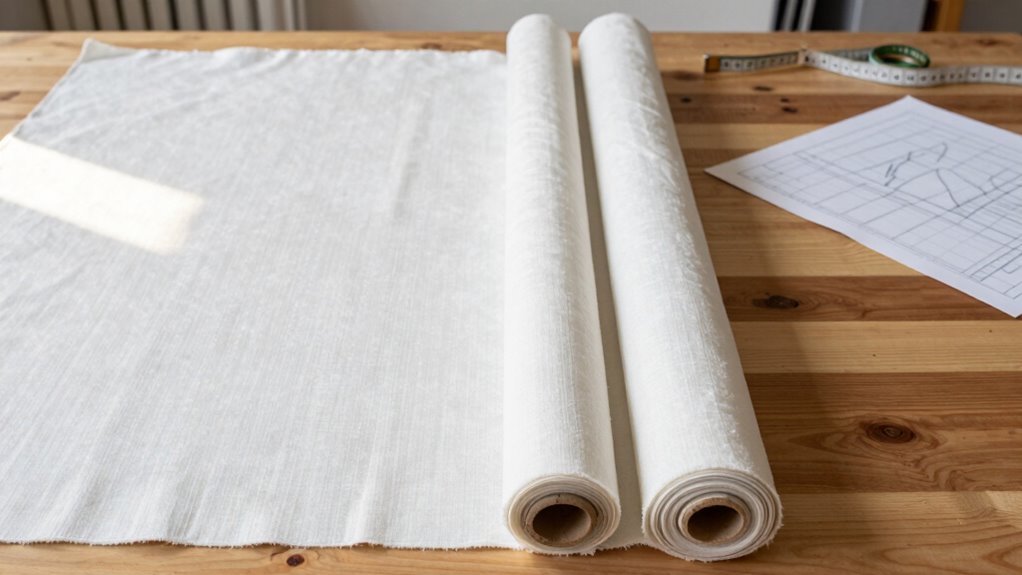
Your fabric width plays a crucial role in project planning because it affects how much material you’ll need and how you cut your pieces. Wider fabrics give you more flexibility with patterns and reduce waste, while narrower fabrics may require careful layout adjustments or piecing. Accurate planning based on fabric width helps prevent shortages or excess fabric, ensuring a professional result. Keep exploring to discover how to make the most of different fabric widths for your projects.
Key Takeaways
- Fabric width determines the number of pattern pieces that can be cut from a single length, affecting project efficiency.
- Wider fabrics provide more layout flexibility, reducing the need for piecing or pattern adjustments.
- Narrower fabrics may require strategic planning or additional seams, influencing design and construction choices.
- Variations in fabric width impact yardage estimation, potentially leading to material shortages or excess waste.
- Considering fabric width helps optimize pattern placement, ensuring pattern matching and maintaining design integrity.
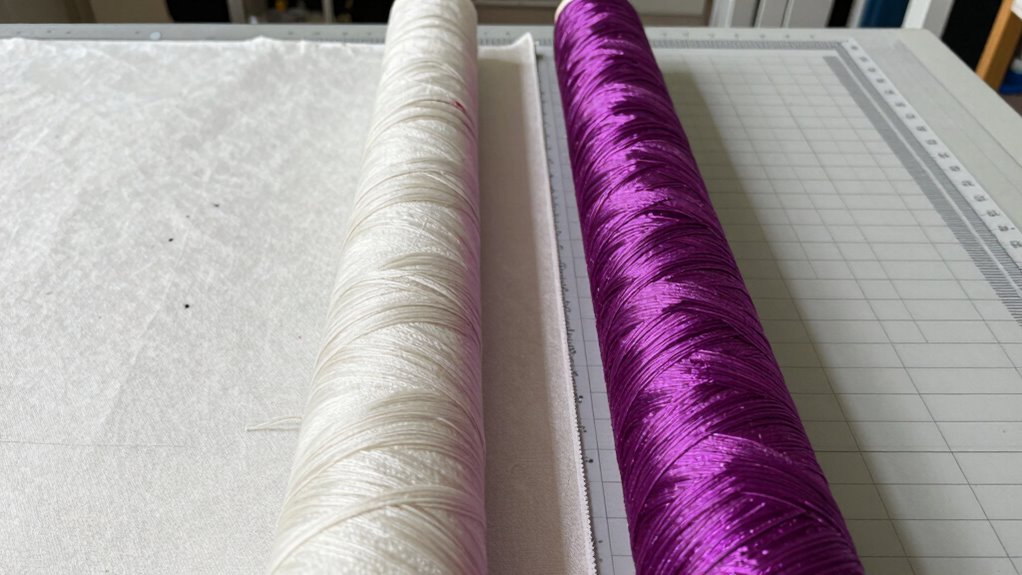
When planning your sewing project, understanding fabric width is essential to guarantee you have enough material and avoid waste. The width of your fabric directly impacts how much you need to buy and how efficiently you can cut your pieces. Different fabrics come in various widths, typically ranging from 44 inches to 60 inches or more, and knowing these measurements helps you estimate yardage accurately. If you don’t consider fabric width early on, you might end up with shortages or excess that’s difficult to use, leading to wasted fabric and extra costs.
Fabric patterns also play a key role in how you plan your cuts. Larger patterns or directional prints often require more careful planning because you need to match patterns at seams or ensure the design flows correctly across your project. When working with wider fabrics, you might have more flexibility in layout, but narrower fabrics can limit your options, forcing you to use different cutting techniques. For example, with narrower fabric, you might need to piece together sections or adjust pattern pieces to fit the available width, which can affect the overall look and integrity of your finished piece. Additionally, understanding the fabric width helps you decide on the best layout options and avoid common mistakes like uneven pattern matching or insufficient fabric for key pieces.
Your choice of cutting techniques becomes more critical depending on fabric width. With wider fabric, you can spread out pattern pieces more comfortably, reducing the need for piecing or complicated layout adjustments. Narrower fabrics often require you to be more strategic—perhaps stacking pattern pieces or cutting in multiple layers to maximize the use of every inch. This minimizes waste but demands precision and careful planning. It’s essential to lay out your pattern pieces thoughtfully, considering grain lines, pattern repeats, and seam allowances to optimize fabric use and ensure your finished project looks professional. Recognizing the importance of fabric width can also help you select appropriate tools and techniques, ultimately saving time and reducing material costs while maintaining quality. Being aware of fabric width variations can further inform your decision-making process and lead to more successful project outcomes. Additionally, considering fabric stretch can influence how you plan your layout, especially with fabrics that have a significant amount of stretch, as this can affect how pieces are cut and assembled.

Fiskars 45mm Rotary Cutter for Fabric, Premium Steel Stick Fabric Cutter Cuts Through Multiple Layers, Right and Left Handed, Easy and Safe Blade Change, Arts and Crafts, Sewing and Quilting Tools
SEWING, ARTS, AND CRAFTS STAPLE: This Fiskars Rotary Cutter can cut multiple layers of fabric, felt, vinyl, and…
As an affiliate, we earn on qualifying purchases.
As an affiliate, we earn on qualifying purchases.
Frequently Asked Questions
How Do Different Fabric Widths Impact Material Waste?
Different fabric widths directly impact material waste by influencing how you cut along the fabric grain and selvage edges. Narrower fabrics often result in more scraps because you need extra pieces to match the grain and selvage, while wider fabrics reduce waste by allowing larger cuts with fewer seams. Being mindful of fabric grain and selvage edges helps you plan cuts efficiently, minimizing waste regardless of the fabric width.
What Tools Can Help Measure Fabric Width Accurately?
Think of measuring fabric width as tuning a musical instrument—you need precise tools to hit the right note. Using a fabric measurement tape or a laser distance meter guarantees your measurements are accurate, like a finely tuned instrument. These tools provide high accuracy, helping you avoid waste or mistakes. Always choose quality, reliable tools, and double-check measurements to keep your project on pitch, saving time and material costs.
How Does Fabric Width Influence Pattern Placement?
You’ll find that fabric width greatly influences pattern placement, especially for pattern alignment and grainline consistency. With wider fabric, you have more space to align patterns properly, reducing the risk of skewed or uneven pieces. Narrower fabric demands careful planning to guarantee that the grainline stays consistent across all pieces, which helps achieve a polished, professional look. Properly considering fabric width ensures your project’s patterns are aligned perfectly and the grainline remains consistent throughout.
Are Wider Fabrics More Expensive Than Narrower Ones?
Wider fabrics are generally more expensive than narrower ones because they require more material and specialized manufacturing processes, impacting your cost comparison. When selecting fabric, consider how width influences your overall project budget and fabric choice. While wider fabrics can save you time by reducing seams, they often come at a higher price. Balancing cost and project needs helps you make the best fabric selection for your project.
Can Fabric Stretch Affect Width Measurements During Projects?
Oh, absolutely—your fabric’s elasticity is practically a magician. When you cut, it might seem perfect, but as you sew, fabric stretch can sneak in, making measurements unreliable. Fabric stretch affects width measurements during projects because of its elasticity and stretch recovery; after stretching, some fabrics spring back, but others stay stretched, leading to unexpected size variations. So, always account for stretch recovery and fabric elasticity to avoid surprises!

No Math Quilt Charts & Formulas (Landauer) Easy and Accurate Pocket-Size Carry-Along Reference Guide with At-a-Glance Quilting Yardage Requirements for Triangles, Squares, Setting Blocks, and More
As an affiliate, we earn on qualifying purchases.
As an affiliate, we earn on qualifying purchases.
Conclusion
By understanding how fabric width influences your project, you empower your planning and perfect your piece. Recognize the rhythm of your requirements, respect the resource, and realize the potential for precision. When you consider width and work wisely, you’ll weave wonder into every project, avoiding waste and worry. Let each choice cheer your creativity, and craft with confidence, knowing that thoughtful planning threads success through every stitch.
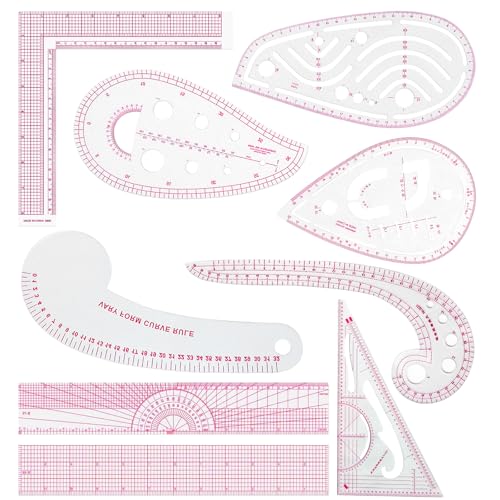
LJLJ Fashion Clear Metric Sewing Ruler Set,French Curve Pattern Rulers for Beginners, Tailors, Designers, Quilting, Embroidery, Cross Stitch, Crochet, Knitting 9pcs
Ruler Set: A variety of styles have a variety of uses and functions, and can be used for…
As an affiliate, we earn on qualifying purchases.
As an affiliate, we earn on qualifying purchases.

Wisdompro120-Inch(300cm) Soft Tape Measure for Sewing Tailor Cloth, Body Measurement – Indexed in Metric and Standard Units, Convenient 0.75 Inch Wide PVC Fiberglass Ruler – Yellow
Accurate tool for sewing/tailoring, body measurement, waist measurement or measuring any curved surface
As an affiliate, we earn on qualifying purchases.
As an affiliate, we earn on qualifying purchases.