
TL;DR

Get your wardrobe favorites delivered free — and shop member deals
- Fast, free delivery on millions of items
- Access to Prime Big Deal Days deals on October 6–7
- Prime Video, Amazon Music and more included
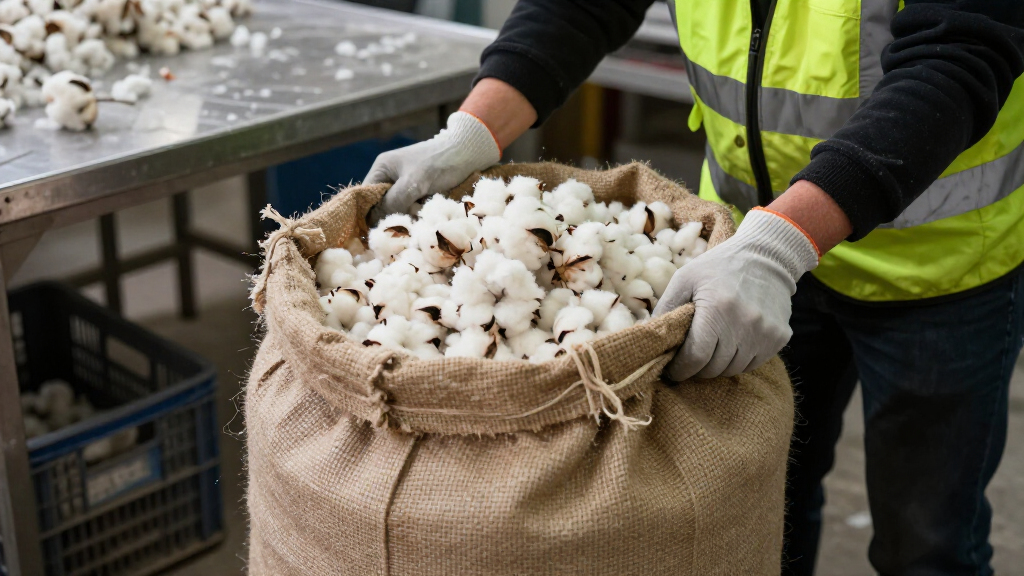
Customs and Border Protection (CBP) officers seized 440 pounds of unprocessed cotton at Dulles Airport. The shipment was flagged for violations of import regulations. The case is under investigation, with no arrests reported.
Customs officers at Washington Dulles International Airport have confiscated 440 pounds of unprocessed cotton in an enforcement action that highlights ongoing efforts to regulate imported agricultural products. The shipment was detained due to suspected violations of import regulations, and the case remains under investigation, with no arrests reported.
According to the U.S. Customs and Border Protection (CBP), the shipment of unprocessed cotton was intercepted during routine screening on March 2024. The cotton was identified as potentially violating import restrictions, prompting seizure and further inspection. CBP officials have not disclosed the origin of the shipment or the specific violations involved, citing ongoing investigations.
Officials confirmed that the shipment was unprocessed cotton, which is subject to strict import controls to prevent pests, diseases, and other biosecurity risks. The seizure was part of CBP’s broader efforts to enforce import regulations and prevent illegal or unregulated agricultural imports from entering the U.S. market.
No arrests or charges have been announced at this stage. CBP continues to investigate the case, including tracing the shipment’s origin and determining whether any laws were violated during the import process.
Implications for Import Regulations and Biosecurity
This seizure underscores the importance of strict enforcement of agricultural import regulations to prevent biosecurity risks. Unregulated or illegal shipments of raw agricultural products can introduce pests, diseases, or invasive species that threaten U.S. agriculture and ecosystems. The case highlights ongoing challenges faced by customs authorities in monitoring complex international supply chains and enforcing compliance.
For importers and exporters, this incident serves as a reminder of the importance of adhering to legal requirements and documentation standards when shipping agricultural products into the U.S. Non-compliance can lead to confiscation, legal penalties, and disruption of supply chains.
cotton quilting fabric fat quarters
As an affiliate, we earn on qualifying purchases.
As an affiliate, we earn on qualifying purchases.
Recent Trends in Agricultural Import Enforcement
Over the past year, CBP has increased its focus on agricultural imports, conducting multiple seizures of unregulated or suspicious shipments at major ports of entry, including Dulles Airport. These efforts are part of a broader initiative to prevent pests, diseases, and illegal products from entering the country, which could impact domestic agriculture and trade.
Historically, raw cotton and other unprocessed agricultural products have been targeted due to their potential biosecurity risks. CBP has also collaborated with USDA and other agencies to improve inspection procedures and compliance monitoring.
While the specifics of this recent seizure are still under investigation, it aligns with a pattern of heightened enforcement activity in the agricultural import sector.
“The seizure of 440 pounds of unprocessed cotton at Dulles Airport demonstrates our ongoing commitment to enforcing import regulations and protecting U.S. agriculture.”
— CBP spokesperson
Details of the Shipment’s Origin and Violations Still Unclear
It is not yet confirmed where the cotton originated or the specific regulatory violations involved. Authorities are still investigating the shipment’s origin, the legal compliance of the importer, and whether any laws were broken during the import process.
Further details are expected as the investigation progresses, but no additional information has been publicly disclosed at this stage.
Ongoing Investigation and Future Enforcement Actions
CBP will continue its investigation to determine the full scope of the violations and whether legal action is warranted. The agency may also increase inspections of similar shipments in the future to prevent illegal imports. Updates on the case are expected as authorities gather more information.
Importers should remain aware of compliance requirements to avoid future seizures and legal penalties.
Key Questions
Why was the cotton shipment seized?
The shipment was seized due to suspected violations of import regulations related to biosecurity and agricultural safety. Exact violations are still under investigation.
Where did the cotton come from?
The origin of the shipment has not yet been confirmed. Authorities are investigating its source.
Will the cotton be returned or destroyed?
Typically, unprocessed agricultural imports that violate regulations are destroyed or further processed to meet compliance standards. The specific outcome for this shipment is still pending.
Are there risks to U.S. agriculture from this seizure?
Yes, unregulated or illegal shipments of raw agricultural products can introduce pests, diseases, or invasive species that threaten U.S. agriculture and ecosystems.
Source: rss
Fall Picks
fall essentials
As an affiliate, we earn on qualifying purchases.