Fabrics are essential in sustainable packaging because they provide eco-friendly, biodegradable, and reusable options that reduce waste and environmental impact. Natural fibers like jute, hemp, and organic cotton are durable and versatile, allowing you to customize packaging with printing or embroidery to boost your branding. By choosing fabrics, you demonstrate your commitment to sustainability, appealing to eco-conscious consumers while lowering costs. To discover how these materials can transform your packaging strategy, keep exploring the options available.
Key Takeaways
- Fabrics serve as eco-friendly, biodegradable alternatives to traditional packaging materials like plastics.
- Natural fibers such as jute and hemp offer durable, reusable options that reduce waste and environmental impact.
- Customizable fabrics enable branding and aesthetic appeal while promoting sustainability.
- Reusable fabrics decrease landfill waste and support circular economy principles.
- Incorporating fabrics in packaging enhances brand reputation and appeals to environmentally conscious consumers.
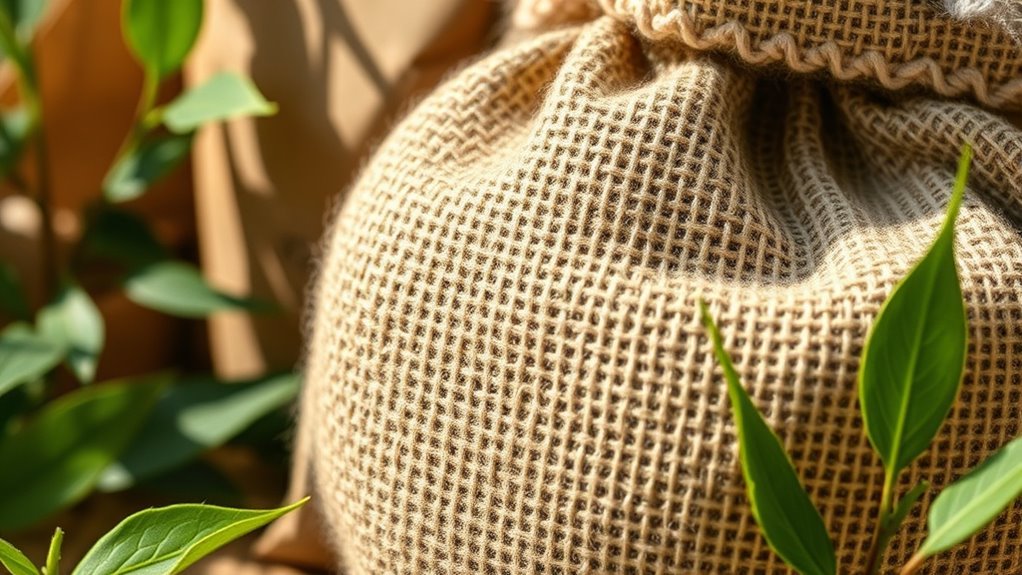
Using fabrics in sustainable packaging offers a versatile and eco-friendly alternative to traditional materials. When you choose fabrics, you’re opting for materials that can considerably reduce environmental impact while maintaining functionality. Biodegradable textiles, in particular, are designed to break down naturally over time, meaning they won’t linger in landfills or contribute to pollution. This feature makes them an excellent choice for packaging solutions, especially when compared to plastics that can take hundreds of years to decompose. Reusable materials also play an essential role in this shift, allowing you to minimize waste and create a circular economy. By selecting fabrics that can be used multiple times, you extend their lifespan and reduce the need for single-use packaging, which often ends up as waste.
The beauty of fabrics in sustainable packaging lies in their adaptability. You can customize them to fit various products, from delicate items to bulkier goods, without sacrificing durability. For example, natural fibers like jute, hemp, and organic cotton are sturdy, biodegradable textiles that serve well in creating reusable bags or wraps. These textiles are not only eco-friendly but also aesthetically appealing, giving your packaging a natural, artisanal look that appeals to eco-conscious consumers. Furthermore, their versatility enables you to incorporate branding elements through printing or embroidery, turning functional packaging into a marketing asset.
Another advantage is that fabrics can replace materials that are difficult to recycle or dispose of responsibly. Unlike plastics, which often require complex recycling processes, textiles made from biodegradable materials can break down naturally in composting environments. This reduces landfill overflow and lessens the burden on waste management systems. Plus, the reusable nature of these fabrics means you can continuously use them, washing and repurposing them multiple times. This not only cuts costs but also aligns with sustainable principles, encouraging consumers to adopt greener habits.
Incorporating fabrics into your packaging strategy also demonstrates your commitment to sustainability, helping you stand out in a market increasingly driven by environmental awareness. Customers appreciate brands that prioritize eco-friendly practices, and choosing biodegradable textiles and reusable materials signals your dedication to reducing waste and carbon footprint. Over time, this builds trust and loyalty, reinforcing your brand’s reputation as a responsible business. Overall, fabrics in sustainable packaging give you the chance to embrace innovation while actively contributing to a healthier planet. They offer practical, eco-conscious solutions that benefit both your business and the environment, making them an essential part of modern sustainable practices. Additionally, the affordable cost of many biodegradable textiles makes them accessible for various business sizes and budgets.
Frequently Asked Questions
Are Fabric-Based Packaging Options Cost-Effective for Large-Scale Production?
Fabric-based packaging can be cost-effective for large-scale production if you carefully analyze costs and scalability factors. While initial investments may be higher, their durability and reusability reduce long-term expenses. You should conduct a thorough cost analysis to compare fabric options with traditional materials. Considering scalability factors, such as sourcing materials and manufacturing processes, guarantees you can efficiently expand production without compromising sustainability or budget, making fabrics a viable choice.
How Do Fabrics Compare to Plastics in Terms of Durability?
Fabrics generally excel over plastics in durability, especially in fabric longevity and tear resistance. Think of a heavy-duty canvas backpack that withstands rough terrain, much like durable fabrics resist tearing and last longer. While plastics can be brittle and prone to cracking, fabrics flex and absorb shocks, making them a resilient choice. Your packaging benefits from fabrics’ strength and flexibility, ensuring your products stay protected longer.
Can Fabrics Be Fully Recycled After Use?
Yes, fabrics can be fully recycled after use, but it depends on the recycling processes available and the fabric’s durability. You should know that some fabrics, especially natural ones like cotton or wool, are easier to recycle than synthetic blends. However, the durability of the fabric affects how well it holds up during recycling; stronger, durable fabrics often retain their quality better through the process.
What Are the Main Challenges in Adopting Fabric Packaging?
You face huge hurdles when adopting fabric packaging; it’s like climbing Everest! Major challenges include biodegradability concerns, as not all fabrics break down easily, and sourcing sustainability, since many materials rely on resource-intensive production. Additionally, cost, durability, and scalability complicate adoption. Overcoming these issues requires innovative solutions and commitment to eco-friendly practices, but the effort can markedly reduce environmental impact and boost your brand’s sustainability.
Are There Specific Fabrics Best Suited for Certain Products?
Yes, certain fabrics are better suited for specific products based on fiber selection and fabric durability. For delicate items, you might prefer soft, lightweight fibers like organic cotton or hemp, which offer gentle protection. For heavy or rugged products, durable fabrics such as jute or burlap work well. Choosing the right fiber guarantees your packaging is both sustainable and functional, providing the necessary protection while minimizing environmental impact.
Conclusion
So, by choosing fabrics for packaging, you’re not just making a small change—you’re revolutionizing the entire planet! Imagine your simple switch saving forests, slashing pollution, and transforming waste into a thing of beauty. It’s like wielding a superhero cape in the fight against environmental chaos! So go ahead, embrace fabrics—because if everyone did, we’d be living in a world so sustainable, even unicorns would want to move in!