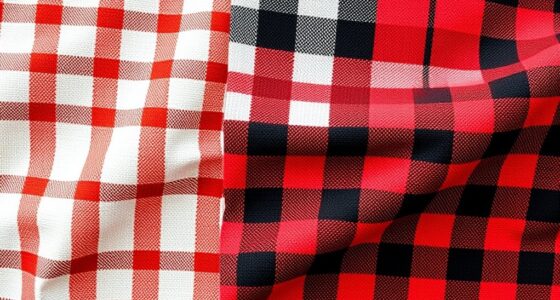

Scuba knit is a dense, stretchy fabric made from synthetic fibers like polyester or nylon. It has a smooth, polished surface and offers excellent shape recovery, making it perfect for fitted garments. You’ll find it works best in structured dresses, skirts, leggings, and activewear that need to stay sleek and hold their shape. Its moisture-wicking and resilient qualities guarantee lasting comfort and durability. Keep exploring to discover how to maximize its potential and choose the right projects.
Key Takeaways
- Scuba knit is a dense, double-knit fabric made from synthetic fibers like polyester or nylon, offering stretch and durability.
- Its structured, smooth surface provides a polished look, ideal for fitted and modern garments.
- Best for structured dresses, skirts, activewear, and fitted tops that require shape retention and a sleek finish.
- Its moisture-wicking and high recovery properties make it suitable for high-performance and activewear designs.
- Not ideal for lightweight, hot-weather clothing due to its thickness, warmth, and firm feel.
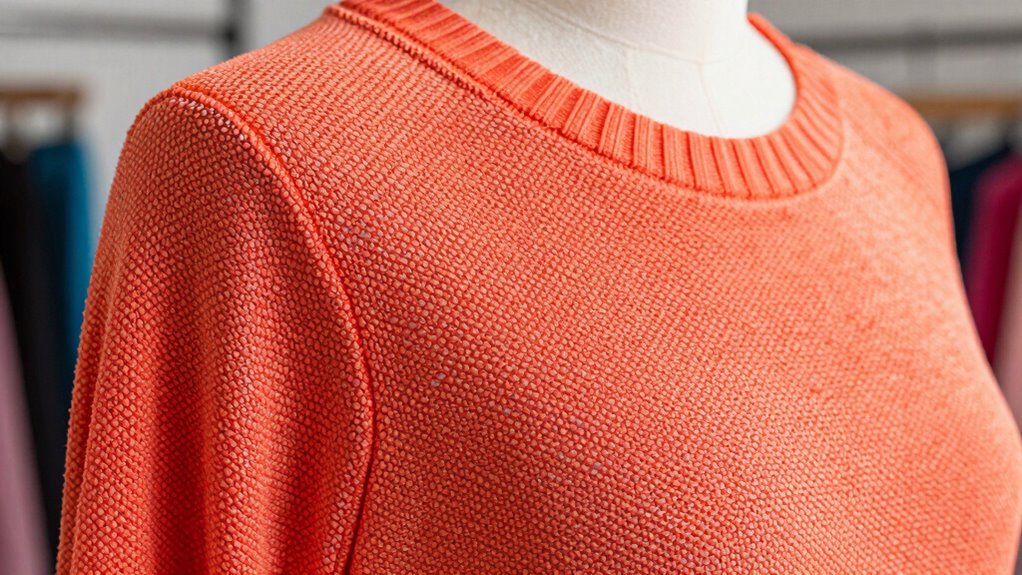
Scuba knit is a versatile fabric known for its stretch, durability, and smooth finish, making it a popular choice in activewear and fashion. Its unique qualities stem from its fiber properties and the knitting techniques used to create it. The fiber properties of scuba knit typically involve synthetic fibers like polyester or nylon, which are chosen for their resilience, elasticity, and moisture-wicking abilities. These fibers contribute to the fabric’s ability to stretch without losing shape, resist wear and tear, and maintain a sleek appearance over time. The smooth surface of scuba knit results from the tight, uniform knitting technique that creates a dense, stable fabric, giving it a slightly spongy yet firm hand feel. Additionally, the fabric structure enhances its stability and shape retention, making it suitable for fitted designs. The stitch tension used in its production also plays a crucial role in defining its overall look and feel.
Scuba knit combines stretch, durability, and a sleek finish for versatile activewear and fashion.
When you’re working with or selecting scuba knit, understanding its knitting techniques is essential. This fabric is usually produced via a specialized knitting process called double-knit or interlock knitting. These techniques involve looping yarns in a way that produces a double-sided fabric with a clean, smooth face and reverse side. The tightness of these stitches makes scuba knit highly stable and resistant to runs or snags, which is a major advantage for activewear and fitted fashion items. The knitting technique also allows for excellent recovery after stretching, so your garments keep their shape, even after repeated wear and wash. Proper maintenance and care can further extend the lifespan of garments made from scuba knit by preserving its elasticity and appearance. Moreover, the fabric’s moisture-wicking properties make it especially suitable for high-performance athletic apparel.
You’ll find scuba knit works best in designs that require a structured yet flexible fit. It’s ideal for form-fitting dresses, skirts, sportswear, and even accessories like leggings or fitted tops. Because of its fiber properties, it wicks moisture away from your skin, making it comfortable during physical activity. The fabric’s durability means you won’t have to worry about pilling or losing its shape quickly, even with frequent use. Its smooth finish lends a polished look, perfect for sleek, modern styles. Plus, the dense knit gives it a modest, opaque quality, so you don’t have to layer too much underneath. Its elastic recovery ensures that it retains its shape after stretching, adding to its practicality for activewear.
However, scuba knit isn’t suitable for every project. Its firmness and thickness can feel restrictive if you’re after a lightweight, breezy fabric. It also tends to retain heat, so it’s less ideal for hot, humid weather unless you’re aiming for a more insulated look. Overall, if you want a fabric that combines stretch, strength, and a smooth aesthetic, scuba knit, with its carefully crafted fiber properties and knitting techniques, can be an excellent choice. It performs best in structured, fitted garments where its stability and recovery shine, making it a staple in both activewear and fashion-forward designs.
scuba knit fabric for activewear
As an affiliate, we earn on qualifying purchases.
As an affiliate, we earn on qualifying purchases.
Frequently Asked Questions
Can Scuba Knit Be Used for Outdoor Sports?
Yes, scuba knit can be used for outdoor sports, especially when you incorporate layering techniques. Its stretch and durability provide comfort and flexibility for activities like hiking or kayaking. Plus, if it has waterproof features, it can keep you dry in wet conditions. Just make sure to layer it appropriately with other moisture-wicking or insulating gear, so you’re prepared for changing weather and outdoor challenges.
Is Scuba Knit Suitable for Cold Weather Clothing?
Did you know that scuba knit fabrics offer excellent insulation properties? They can be suitable for cold weather clothing, but you should consider breathability concerns. This fabric traps heat well, making it ideal for keeping you warm, but it may restrict airflow. If you’re layering properly and choose garments with added ventilation, scuba knit can be a cozy choice for colder climates. Just keep an eye on how well it breathes for comfort.
How Does Scuba Knit Compare to Traditional Fleece?
You’ll find scuba knit is more durable than traditional fleece, with a thicker, more resilient fabric texture. It holds up better against wear and tear, making it ideal for active wear or outdoor activities. Unlike fleece, which can pill over time, scuba knit maintains its appearance longer. Its smooth, slightly stretchy surface offers a sleek, modern look, giving you both durability and style that outperforms traditional fleece in many respects.
Can Scuba Knit Be Machine Washed Regularly?
Yes, you can machine wash scuba knit regularly. Just follow the care instructions provided by the manufacturer to maintain the fabric’s durability. Use cold water and a gentle cycle to prevent any damage. Avoid harsh detergents and fabric softeners, which can weaken the material over time. Proper care helps preserve the stretch and shape of scuba knit, ensuring it stays looking good and lasts through many washes.
What Are Common Accessories Made From Scuba Knit?
You’ll find that common accessories made from scuba knit include bags, wallets, and even jewelry, thanks to its fashion versatility. This material offers excellent accessory durability, making your items resistant to water and wear. Its sleek, modern look complements various styles, so you can confidently incorporate scuba knit pieces into your wardrobe. Whether for everyday use or special occasions, scuba knit accessories provide both functionality and a trendy aesthetic.
Conclusion
Now that you understand scuba knit, think of it as the secret ingredient in your wardrobe recipe—adding stretch, style, and comfort all at once. When the conditions are just right, it molds to your body like a gentle wave, making every move feel effortless. So, whether you’re dressing up or down, let scuba knit be your dependable tide, flowing seamlessly into your everyday style, ready to carry you through any fashion current.